How to Grow Kohlrabi in the United States: Intelligent Growth Guide – Complete How-To
In the vast and diverse landscape of the United States, the humble kohlrabi stands as a resilient and versatile vegetable that can thrive in various regions. This guide aims to provide a comprehensive understanding of how to cultivate kohlrabi successfully, empowering gardeners and small-scale farmers to contribute to the rich tapestry of agricultural productivity and human welfare.
Understanding Kohlrabi
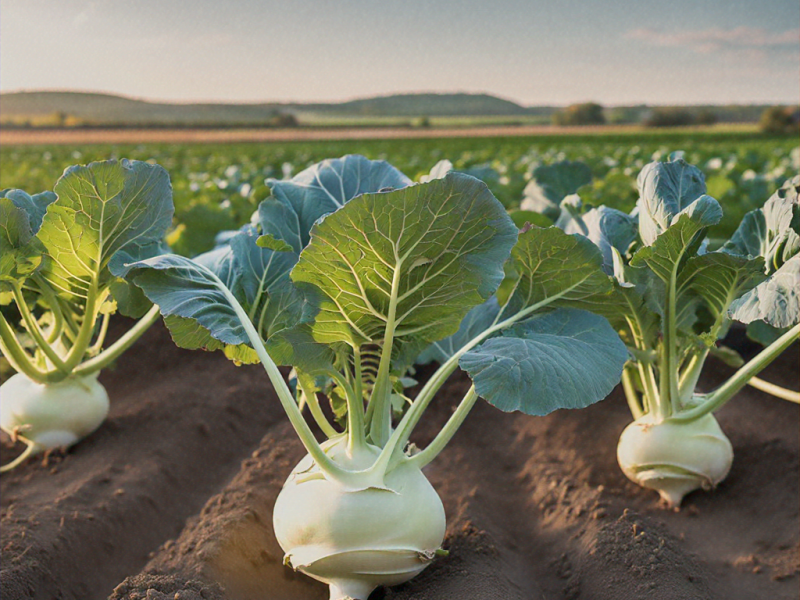
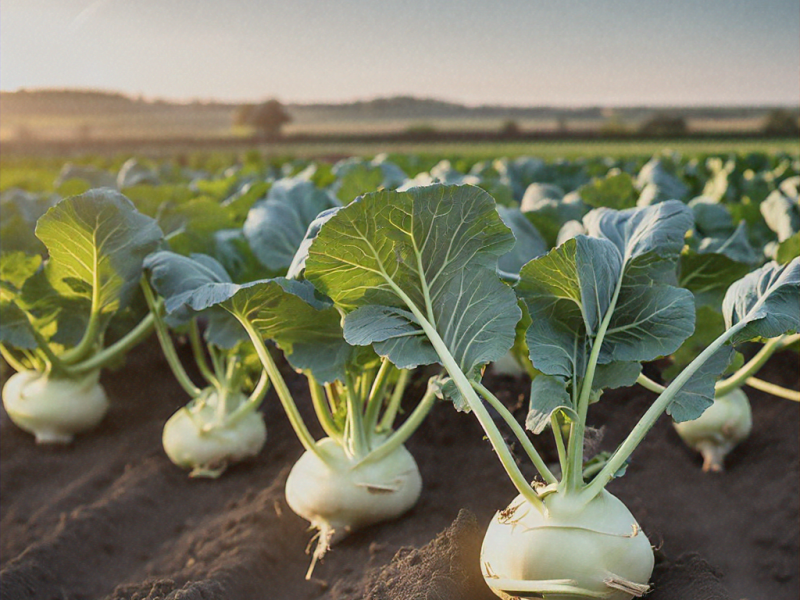
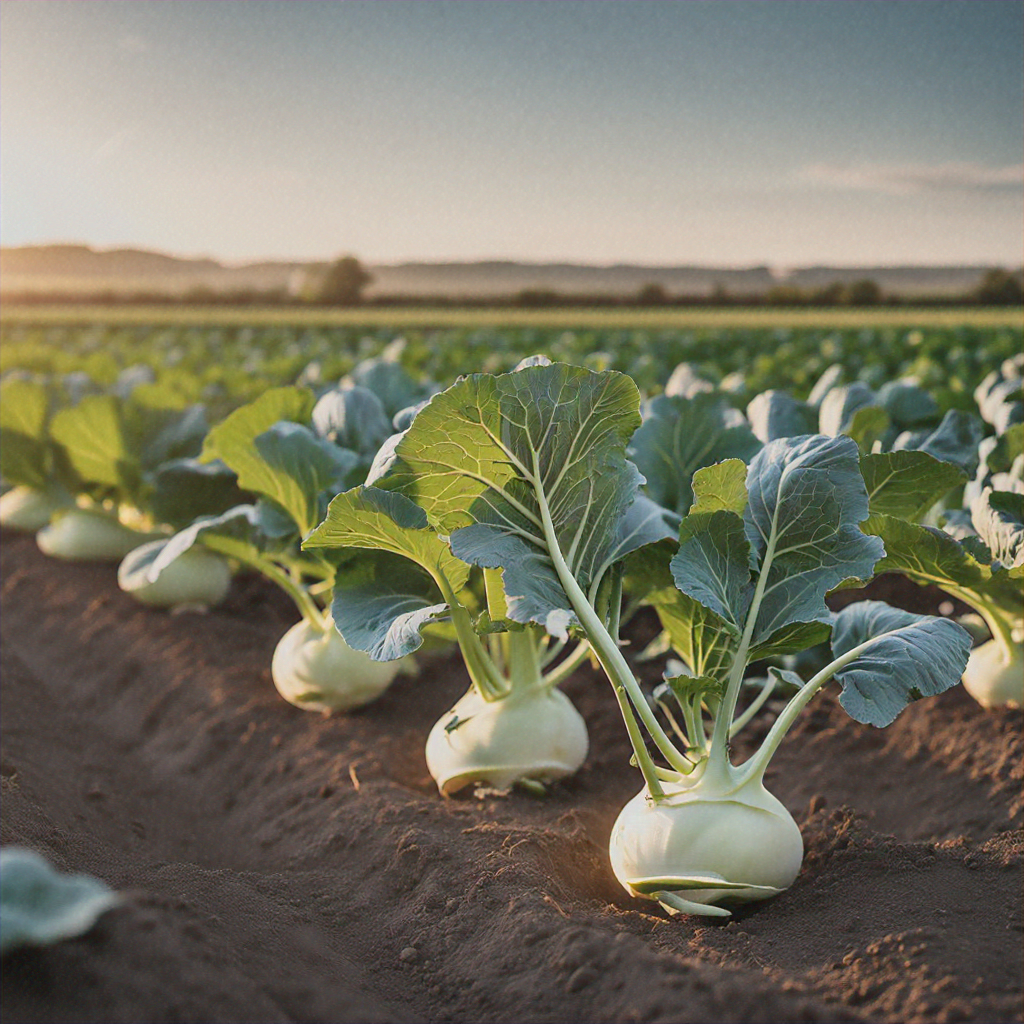
Kohlrabi, botanically known as Brassica oleracea var. gongylodes, is a member of the cabbage family. It is a unique vegetable that is prized for its edible, bulb-like stem that grows above the ground. Kohlrabi is renowned for its crisp texture, mild flavor, and its ability to adapt to a wide range of climatic conditions, making it an attractive choice for both home and commercial growers.
Site Selection and Soil Preparation
Kohlrabi thrives in well-drained, nutrient-rich soil with a pH range of 6.0 to 7.5. Choose a location that receives at least 6 hours of direct sunlight per day. Avoid areas with heavy clay or compacted soil, as kohlrabi prefers a loose, friable texture for optimal root development.
Prepare the planting area by incorporating organic matter, such as compost or aged manure, into the soil. This will improve the soil structure and provide essential nutrients for healthy plant growth. Additionally, consider adding a balanced fertilizer to the soil before planting to ensure a strong foundation for your kohlrabi crop.
Planting and Cultivation
Kohlrabi can be grown from seeds or transplanted from seedlings. For direct sowing, plant the seeds about 1/2 inch deep and 6 inches apart in rows that are 12 to 18 inches apart. Thin the seedlings to 12 inches apart once they have developed their first true leaves.
If starting from seedlings, transplant them into the prepared soil, spacing them 12 inches apart in rows that are 18 inches apart. Gently firm the soil around the transplants to ensure good root-to-soil contact.
Kohlrabi prefers cool temperatures, with the ideal growing range between 55°F and 75°F. In the United States, the optimal planting times vary by region:
- Northern States: Plant in early spring (as soon as the soil can be worked) and again in late summer for a fall harvest.
- Southern States: Grow kohlrabi in the fall and winter months to avoid the heat of summer.
- Coastal Regions: Kohlrabi can be planted in both spring and fall, as the moderate temperatures are well-suited for its growth.
Watering and Moisture Management
Consistent moisture is key to successful kohlrabi cultivation. Aim to keep the soil consistently moist, but not waterlogged. Water the plants deeply, about 1 inch per week, adjusting as needed based on weather conditions and plant growth. Avoid letting the soil dry out, as this can lead to the development of tough, woody kohlrabi stems.
If rainfall is insufficient, supplement with regular irrigation. Be mindful of overwatering, as this can lead to root rot and other fungal diseases. Maintain a balance to ensure the plants receive the optimal amount of moisture for healthy development.
Weed Management and Mulching
Kohlrabi is a relatively slow-growing crop, making it vulnerable to weed competition, especially in the early stages of growth. Regularly remove weeds by hand or use a hoe to prevent them from competing for nutrients and water. Be careful not to disturb the kohlrabi roots during the weeding process.
Applying a 2-3 inch layer of organic mulch, such as straw, leaves, or wood chips, around the base of the plants can help suppress weed growth and retain soil moisture. This practice also helps to insulate the soil, keeping it cool and protecting the kohlrabi roots from extreme temperature fluctuations.
Pest and Disease Management
Kohlrabi is generally hardy and resilient, but it can still be susceptible to certain pests and diseases. Common challenges include aphids, cabbage worms, flea beetles, and fungal diseases such as black rot and clubroot.
To manage these issues, implement the following strategies:
- Inspect plants regularly and remove any visible pests by hand or with a strong stream of water.
- Consider using organic or natural pesticides, such as neem oil or insecticidal soap, to control pest infestations.
- Rotate your kohlrabi crop with other non-Brassica crops to break disease cycles.
- Ensure proper soil drainage and air circulation to prevent fungal diseases.
- Remove and dispose of any heavily infested or diseased plant material to prevent the spread of problems.
<
h2>Harvesting and Storage
Kohlrabi is ready for harvest when the stems (also known as the “bulbs”) have reached 2-4 inches in diameter, typically 50-60 days after planting. The leaves are also edible and can be harvested when they are young and tender.
To harvest, gently loosen the soil around the base of the plant and pull the kohlrabi bulb from the ground. Avoid pulling on the leaves, as this can damage the stem. Trim the leaves, leaving about 1-2 inches of the stem attached to the bulb.
Kohlrabi can be stored in the refrigerator for up to 2-3 weeks. To store, remove any damaged or wilted leaves, and place the bulbs in a perforated plastic bag or airtight container. Alternatively, you can freeze kohlrabi for longer-term storage by blanching the peeled and sliced bulbs before freezing.
Culinary Uses and Nutritional Value
Kohlrabi is a versatile vegetable that can be enjoyed in a variety of culinary preparations. The crunchy bulb can be eaten raw, sliced into salads or vegetable platters, or cooked in various ways, such as steaming, roasting, or sautéing. The leaves can also be sautéed or added to soups and stews.
Nutritionally, kohlrabi is a powerhouse. It is low in calories, high in fiber, and rich in essential vitamins and minerals, including vitamin C, vitamin K, potassium, and folate. Kohlrabi also contains glucosinolates, which are believed to have anti-cancer properties and support overall health.
Conclusion
Growing kohlrabi in the United States can be a rewarding and productive endeavor, contributing to both individual and community well-being. By following the comprehensive guidelines outlined in this guide, gardeners and small-scale farmers can cultivate this nutrient-dense vegetable and reap the benefits of its versatility and hardiness.
Remember, successful kohlrabi cultivation requires attention to site selection, soil preparation, planting and cultivation techniques, proper watering and moisture management, weed control, and effective pest and disease management. With diligence and a commitment to sustainable practices, you can enjoy a bountiful harvest of this unique and flavorful crop.