Intelligent Growth Guide for Kohlrabi – India Guide: Step-by-Step & Yield Tips
In the heart of India’s diverse agricultural landscape, one vegetable stands out as a shining example of resilience and adaptability – the humble kohlrabi. This versatile member of the cabbage family has captured the attention of farmers and food enthusiasts alike, thanks to its remarkable nutritional profile and the potential it holds for enhancing food security and improving human welfare. In this comprehensive guide, we’ll delve into the intelligent growth strategies for cultivating kohlrabi, offering step-by-step instructions and valuable yield tips to help you unlock the full potential of this remarkable crop.
Understanding the Kohlrabi
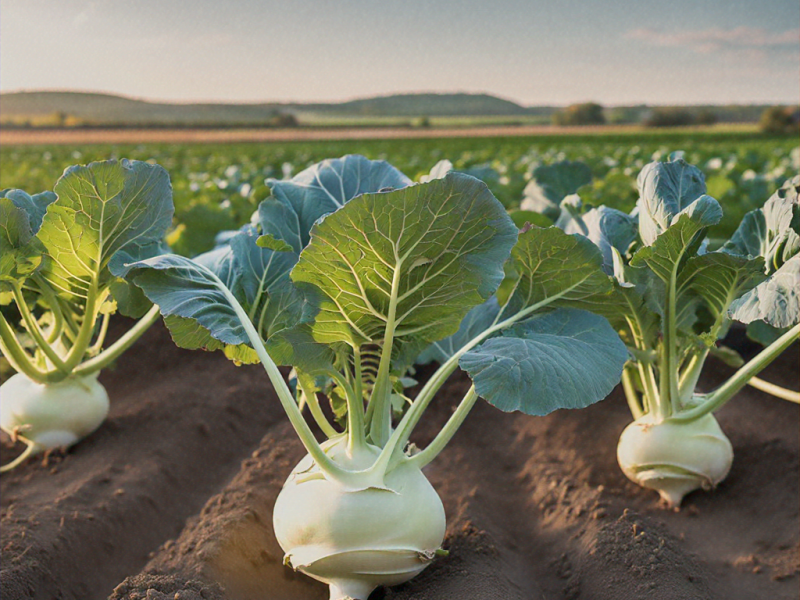
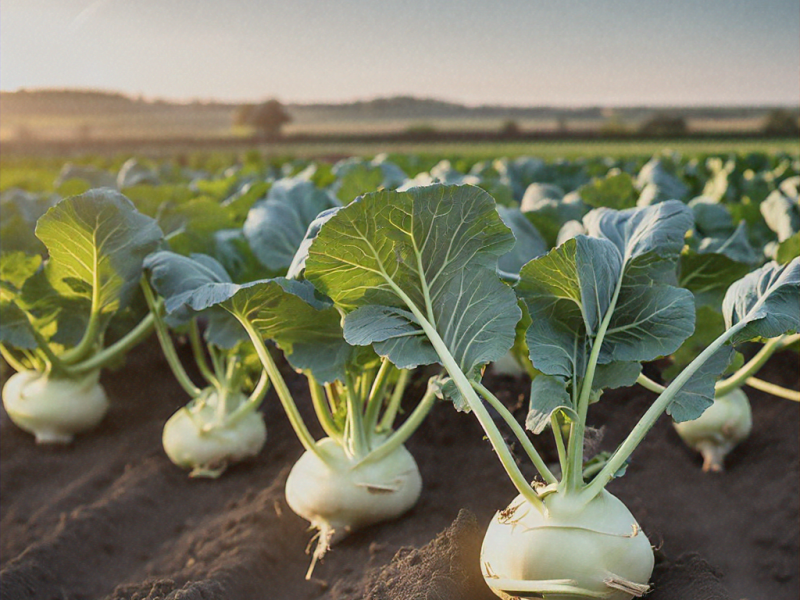
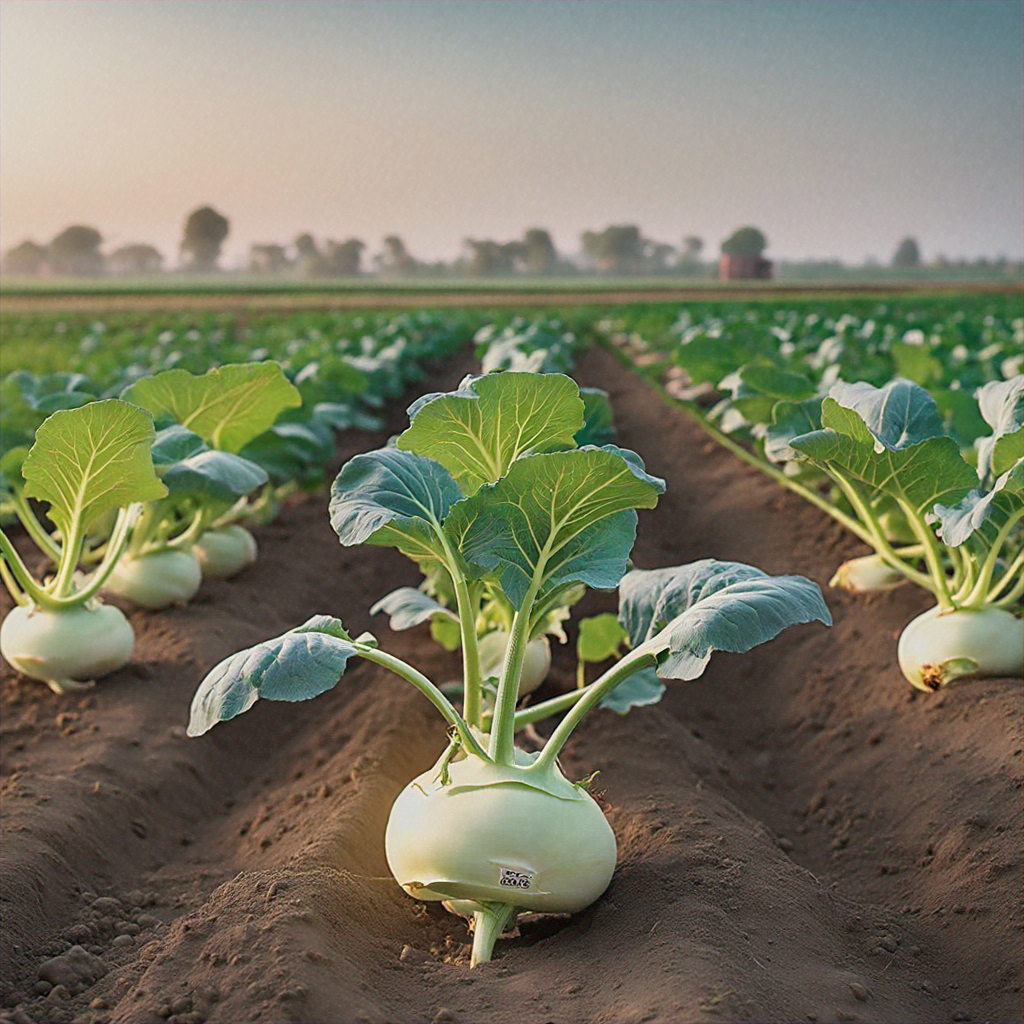
Kohlrabi, scientifically known as Brassica oleracea var. gongylodes, is a unique vegetable that combines the best qualities of both cabbage and turnips. Its name, derived from the German words “kohl” (cabbage) and “rabi” (turnip), reflects its distinctive appearance and taste. Unlike its relatives, the edible portion of the kohlrabi is the swollen stem, which can be harvested above or below the ground, depending on the variety.
Kohlrabi is renowned for its exceptional nutritional value, boasting a rich array of vitamins, minerals, and dietary fiber. It is particularly high in vitamin C, potassium, and antioxidants, making it an excellent choice for promoting overall health and well-being. In the context of India’s diverse agricultural landscape, the cultivation of kohlrabi holds immense potential for improving food security and enhancing human welfare.
Preparing the Soil for Kohlrabi
The key to successful kohlrabi cultivation lies in the preparation of the soil. Kohlrabi thrives in well-drained, fertile soils with a slightly acidic to neutral pH range (between 6.0 and 7.5). Before planting, it’s crucial to thoroughly loosen and aerate the soil, ensuring optimal conditions for root development and nutrient absorption.
Incorporate organic matter, such as compost or well-rotted manure, into the soil to improve its structure and enhance nutrient availability. This step not only provides a nutrient-rich foundation for the growing plants but also helps retain moisture and improve overall soil health.
Sowing and Transplanting Kohlrabi
Kohlrabi can be grown from seed or transplanted from seedlings, depending on your preferred method and local climate conditions. If sowing directly, plant the seeds about 1/2 inch deep and 12-18 inches apart in rows spaced 18-24 inches apart. Ensure the soil is consistently moist during the germination period, which typically takes 7-14 days.
For transplanting, start the seeds indoors 4-6 weeks before the desired planting date. Once the seedlings have developed their true leaves and have reached a height of 4-6 inches, they are ready to be transplanted into the prepared garden beds. Space the transplants 12-18 inches apart in rows spaced 18-24 inches apart.
Caring for Kohlrabi
Kohlrabi plants require consistent moisture and regular attention to thrive. Maintain a consistent watering schedule, ensuring the soil remains evenly moist but not waterlogged. Avoid letting the soil dry out, as this can lead to stunted growth or premature bolting.
To promote optimal growth and development, fertilize your kohlrabi plants every 4-6 weeks with a balanced, water-soluble fertilizer or a top-dressing of organic compost. This will replenish the soil’s nutrients and support the plants’ overall health and vigor.
Regularly remove any weeds that may compete with the kohlrabi plants for resources, and consider using a light mulch around the base of the plants to suppress weed growth and retain soil moisture.
Harvesting and Storing Kohlrabi
Kohlrabi is typically ready for harvest when the stem has reached 2-4 inches in diameter, usually about 50-70 days after planting. Avoid letting the stems become too large, as they can become woody and less flavorful.
To harvest, gently loosen the soil around the base of the plant and pull the kohlrabi upwards, taking care not to damage the leaves or stems. Rinse the harvested kohlrabi and remove any damaged or discolored leaves.
For optimal storage, place the kohlrabi in the refrigerator, where it can remain fresh for up to 2-3 weeks. Alternatively, you can freeze kohlrabi by peeling, slicing, and blanching the stems before freezing them in airtight containers or bags.
Maximizing Kohlrabi Yields
To ensure consistently high yields and quality, consider the following tips:
- Succession Planting: Stagger your kohlrabi plantings every 2-3 weeks to ensure a continuous harvest throughout the growing season.
- Ideal Planting Dates: In India, the optimal planting times for kohlrabi are typically in the cooler months, from September to February, to avoid the heat stress that can occur during the summer.
- Microclimate Considerations: Pay attention to the specific microclimatic conditions in your growing area, as kohlrabi may perform better in certain regions or with the use of protective structures, such as row covers or greenhouses.
- Pest and Disease Management: Regularly monitor your kohlrabi plants for common pests and diseases, such as aphids, cabbage worms, or fungal diseases, and take prompt action to address any issues using organic or integrated pest management techniques.
- Variety Selection: Choose kohlrabi varieties that are well-suited to your local growing conditions and market demands, considering factors like maturity time, size, color, and flavor preferences.
Exploring Culinary Versatility
Kohlrabi’s versatility extends far beyond its exceptional nutritional profile. This unique vegetable can be enjoyed in a wide variety of culinary applications, from raw salads and slaws to roasted, sautéed, or steamed dishes.
The crisp, juicy texture of kohlrabi makes it an excellent addition to fresh salads, where it can add a delightful crunch and a subtle, slightly peppery flavor. Kohlrabi also shines when roasted or sautéed, transforming into a sweet, caramelized side dish or a flavorful component in stir-fries and curries.
Kohlrabi’s versatility extends to its leaves as well, which can be used much like other leafy greens in soups, stir-fries, or as a nutritious addition to smoothies and juices.
Unlocking the Potential of Kohlrabi
As we delve deeper into the intelligent growth strategies for cultivating kohlrabi, it becomes increasingly clear that this unassuming vegetable holds immense potential for improving food security and human welfare in India. By embracing its exceptional nutritional profile, adaptability, and culinary versatility, farmers and home gardeners alike can contribute to a more sustainable and nourishing food system.
Whether you’re a seasoned grower or a newcomer to the world of kohlrabi, this comprehensive guide has provided you with the knowledge and tools to cultivate this remarkable crop with confidence. By following the step-by-step instructions and yield tips outlined here, you can unlock the full potential of kohlrabi and reap the benefits of this nutritious and delicious addition to your agricultural landscape.
As you embark on your kohlrabi-growing journey, remember to stay curious, experiment with different techniques, and embrace the unique challenges that come with cultivating this versatile vegetable. With a commitment to sustainable practices and a focus on improving human welfare, the intelligent growth of kohlrabi can become a powerful force for positive change in India’s vibrant agricultural sector.