Climate Stress Modeling for Kohlrabi – North America Guide: Step-by-Step & Yield Tips
In the face of a rapidly changing climate, the agricultural sector is tasked with adapting and thriving in the face of new challenges. One such challenge is the cultivation of kohlrabi, a versatile and nutritious member of the cabbage family, in North America. As climate patterns shift, understanding the impacts of climate stress on kohlrabi growth and yield becomes increasingly crucial for farmers and gardeners alike. In this comprehensive guide, we will explore the step-by-step process of climate stress modeling for kohlrabi and provide valuable tips to optimize yields in the North American region.
Understanding Climate Stress and Kohlrabi
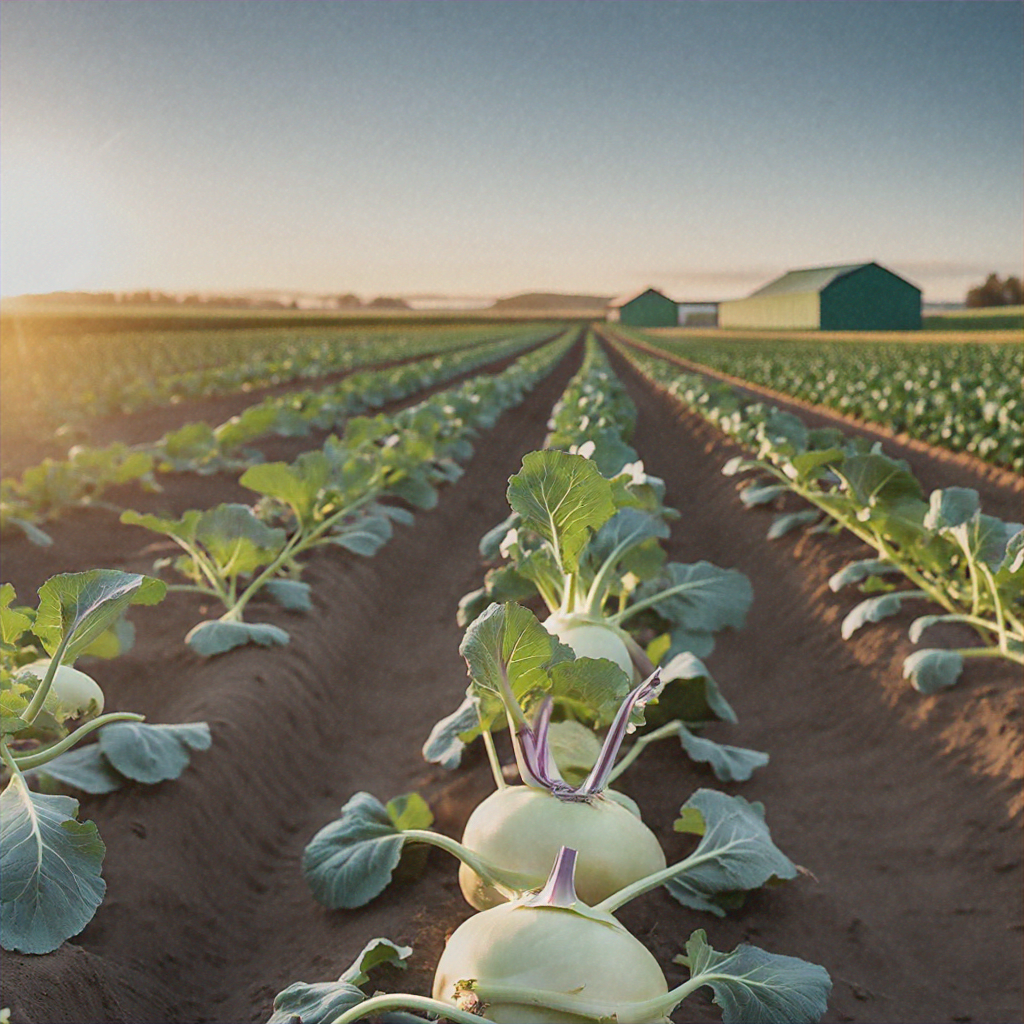
Kohlrabi, scientifically known as Brassica oleracea var. gongylodes, is a cool-season crop that thrives in temperate climates. However, as the global climate continues to change, the regions where kohlrabi can be successfully cultivated may shift. Factors such as temperature fluctuations, precipitation patterns, and the frequency of extreme weather events can all impact the growth and productivity of this crop.
Climate stress can manifest in various ways, including drought, heat waves, flooding, and erratic rainfall. These stressors can affect the plant’s ability to photosynthesize, uptake nutrients, and maintain overall health, ultimately leading to reduced yields or even crop failure.
The Step-by-Step Process of Climate Stress Modeling for Kohlrabi
- Data Collection: The first step in climate stress modeling for kohlrabi is to gather relevant data. This includes historical weather patterns, soil characteristics, and crop yield records for the region of interest. Additionally, information on the physiological responses of kohlrabi to different climate stressors should be collected from scientific literature and expert sources.
- Model Selection: Based on the collected data, select an appropriate climate stress modeling approach. This may involve using a combination of statistical models, process-based models, or machine learning algorithms, depending on the availability and quality of the data.
- Model Development: Develop the climate stress model for kohlrabi, incorporating the relevant variables and their interactions. This may involve calibrating the model parameters using historical data and validating the model’s accuracy against observed crop yields.
- Scenario Analysis: Use the climate stress model to simulate the impact of different climate change scenarios on kohlrabi growth and yield. This can include projections of future temperature, precipitation, and extreme weather events, and their potential effects on the crop.
- Adaptation Strategies: Based on the model’s predictions, identify potential adaptation strategies to mitigate the impact of climate stress on kohlrabi cultivation. This may include adjusting planting dates, selecting climate-resilient cultivars, implementing soil management practices, or adopting irrigation techniques.
- Continuous Refinement: As new data becomes available and climate patterns continue to evolve, regularly update and refine the climate stress model for kohlrabi. This will help ensure that the model remains accurate and relevant for decision-making in the agricultural sector.
Yield Tips for Kohlrabi in North America
In addition to the climate stress modeling process, there are several practical tips that can help North American farmers and gardeners optimize the yields of their kohlrabi crops:
- Cultivar Selection: Choose kohlrabi cultivars that are well-suited to the local climate and have demonstrated resilience to common climate stressors in the region.
- Planting Timing: Adjust planting dates based on the model’s predictions to ensure that the crop is established during the most favorable weather conditions.
- Soil Preparation: Ensure that the soil is well-drained, rich in organic matter, and has a balanced pH to support optimal kohlrabi growth.
- Irrigation Management: Implement efficient irrigation practices, such as drip irrigation or moisture-sensing technology, to maintain consistent soil moisture levels and mitigate the impact of drought or irregular precipitation.
- Mulching: Apply a layer of organic mulch around the plants to conserve soil moisture, suppress weed growth, and regulate soil temperature.
- Pest and Disease Management: Monitor for common pests and diseases affecting kohlrabi and implement integrated pest management strategies to maintain plant health and productivity.
- Harvesting Techniques: Harvest kohlrabi at the appropriate stage of maturity, typically when the bulb is 2-4 inches in diameter, to ensure optimal texture and flavor.
The Importance of Climate Stress Modeling for Kohlrabi in North America
As the global climate continues to change, the need for robust climate stress modeling and adaptation strategies for agricultural crops like kohlrabi becomes increasingly crucial. By understanding the impacts of climate stress on kohlrabi growth and yield, farmers and gardeners in North America can make informed decisions to ensure the long-term sustainability and resilience of their kohlrabi production.
Climate stress modeling not only helps predict the potential challenges that kohlrabi growers may face but also enables the development of targeted adaptation strategies. These strategies can include the selection of climate-resilient cultivars, the implementation of precision agriculture techniques, and the adoption of sustainable soil and water management practices.
Moreover, the insights gained from climate stress modeling can inform policy decisions, research priorities, and educational programs that support the agricultural community in adapting to the changing climate. By working collaboratively and leveraging the power of climate science, the North American agricultural sector can ensure the continued cultivation of nutritious and bountiful kohlrabi crops, contributing to food security and the overall well-being of communities.
Conclusion
In the face of a rapidly changing climate, the cultivation of kohlrabi in North America requires a comprehensive understanding of the impacts of climate stress. By following the step-by-step process of climate stress modeling and incorporating practical yield tips, farmers and gardeners can optimize the productivity and resilience of their kohlrabi crops. This multi-faceted approach not only secures the future of kohlrabi production but also contributes to the broader goal of ensuring food security and promoting sustainable agricultural practices in the region.