Kohlrabi Cultivation in Illinois: Market & Profit Logic – Varieties, Soil & Harvest
In the ever-evolving landscape of agriculture, Illinois farmers are embracing a unique and versatile crop that offers both market potential and profitability: kohlrabi. This unassuming member of the cabbage family has gained increasing attention for its diverse culinary applications, nutritional value, and the opportunities it presents for savvy growers in the region.
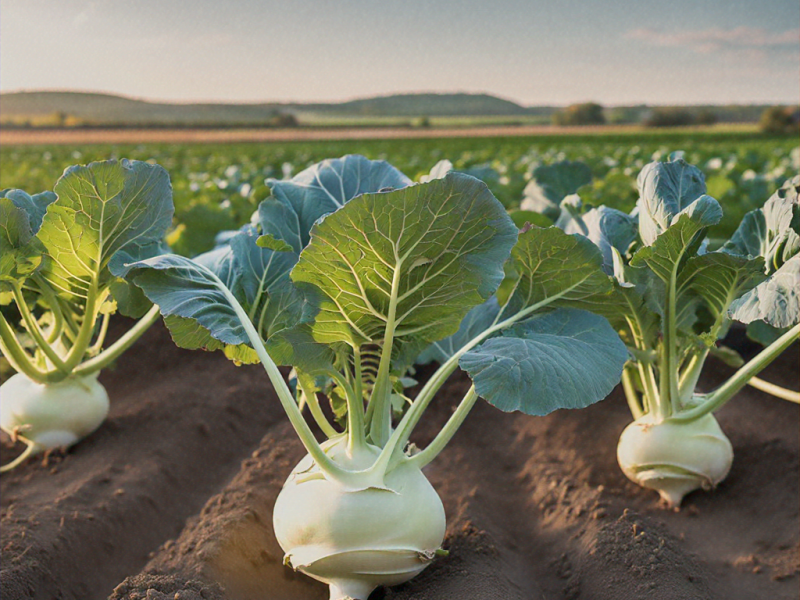
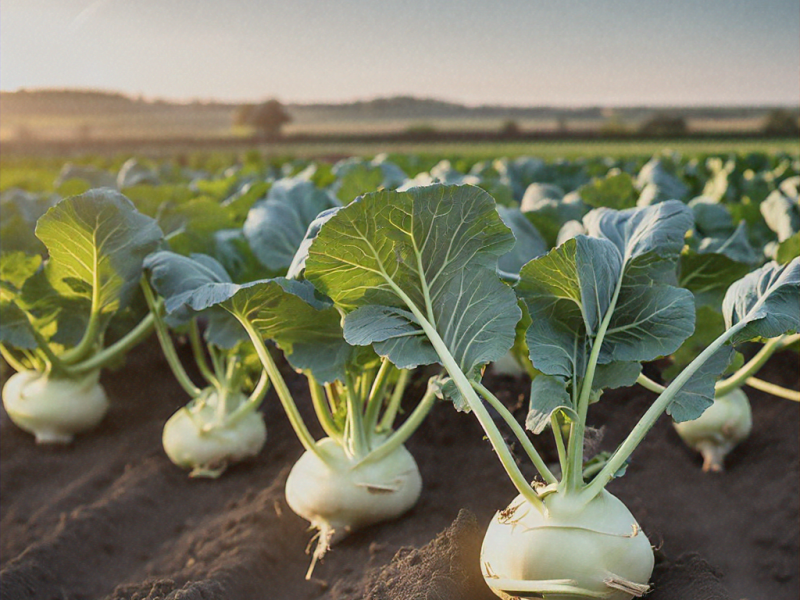
Kohlrabi, with its distinctive swollen stem and leafy greens, is a crop that thrives in the temperate climate and nutrient-rich soils of Illinois. As the demand for locally-sourced, sustainable produce continues to rise, kohlrabi has emerged as a crop that can capitalize on this trend, providing Illinois farmers with a chance to diversify their operations and tap into a growing market.
Variety Selection: Unlocking the Potential
When it comes to kohlrabi cultivation in Illinois, the selection of the right varieties is crucial for optimizing yields, quality, and market appeal. The state’s climate and soil conditions lend themselves particularly well to several kohlrabi cultivars, each with its own unique characteristics and advantages.
- Early Season Varieties: These fast-maturing kohlrabi varieties, such as ‘Rapid’ and ‘Winner,’ are well-suited for early spring and summer harvests. They offer a shorter growing season, allowing farmers to get their products to market sooner and capitalize on the demand for fresh, seasonal produce.
- Mid-Season Varieties: Varieties like ‘Superschmelz’ and ‘Kolibri’ thrive in the warm summer months, providing a steady supply of kohlrabi throughout the peak growing season. These mid-season cultivars often boast larger size, improved storage capabilities, and a more robust flavor profile.
- Late-Season Varieties: For extended harvests and storage potential, Illinois farmers can turn to late-season kohlrabi varieties such as ‘Kongo’ and ‘Azur Star.’ These cultivars can withstand cooler temperatures and longer growing periods, allowing growers to extend their sales well into the fall and early winter months.
By carefully selecting a mix of early, mid, and late-season kohlrabi varieties, Illinois farmers can ensure a continuous supply of this versatile crop, meeting the evolving demands of their local and regional markets.
Soil Preparation and Cultivation
The fertile soils of Illinois provide an excellent foundation for successful kohlrabi cultivation. However, to maximize yield and quality, proper soil preparation and cultivation practices are essential.
Kohlrabi thrives in well-drained, nutrient-rich soils with a slightly acidic to neutral pH (around 6.0 to 7.0). Illinois farmers can enhance their soil by incorporating organic matter, such as compost or well-rotted manure, to improve moisture retention and nutrient availability.
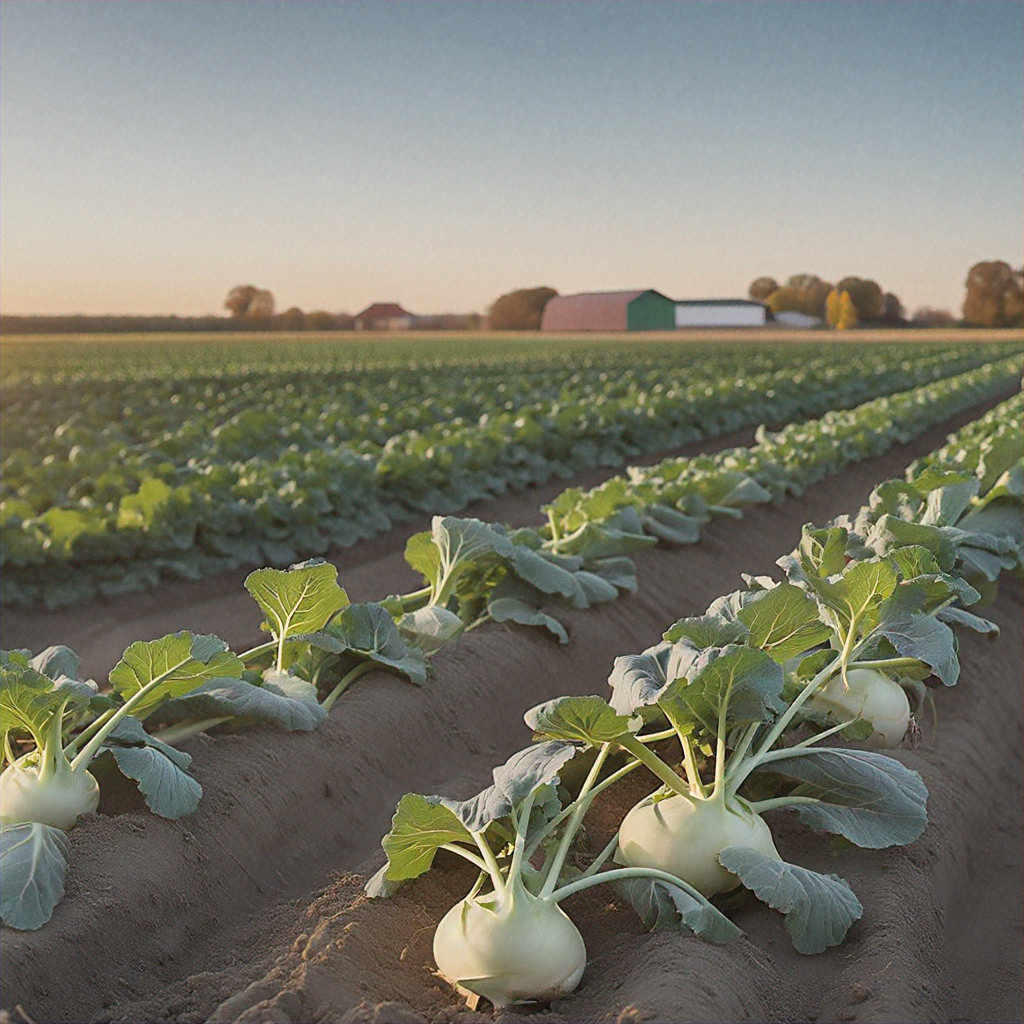
Proper seedbed preparation, including deep tilling and leveling, ensures that the kohlrabi plants have a favorable environment for root development and even growth. Spacing is also crucial, with recommendations of 12 to 18 inches between plants and 24 to 36 inches between rows, depending on the specific variety and growing conditions.</
Irrigation management plays a critical role in kohlrabi cultivation, as the crop requires consistent moisture, particularly during the key growth stages. Illinois farmers can leverage the region’s abundant water resources, implementing drip irrigation or other targeted watering systems to maintain optimal soil moisture levels and promote healthy plant development.
Regular monitoring and proactive pest and disease management are also essential for successful kohlrabi cultivation in Illinois. By staying vigilant and implementing integrated pest management strategies, growers can protect their crops and ensure a bountiful harvest.
Harvesting and Post-Harvest Handling
Timing the harvest of kohlrabi is a crucial aspect of maximizing both quality and market value. In Illinois, the optimal harvest window typically occurs when the swollen stem, or “bulb,” reaches 2 to 4 inches in diameter, usually around 50 to 60 days after planting.
Careful harvesting techniques, such as gently cutting the stem at the soil line and retaining the leaves, help to preserve the freshness and marketability of the kohlrabi. Proper post-harvest handling, including prompt cooling, storage, and transportation, further enhances the crop’s shelf life and ensures that it reaches customers in prime condition.
Illinois farmers can explore various post-harvest processing options to add value to their kohlrabi crop. This may include washing, trimming, and packaging the kohlrabi for direct-to-consumer sales, or even exploring value-added products like kohlrabi slaw, sliced or cubed kohlrabi for culinary use, or even fermented kohlrabi for specialty markets.
Market Opportunities and Profit Potential
The growing demand for locally-sourced, nutritious, and versatile produce has created a promising market landscape for kohlrabi cultivation in Illinois. As consumers become more conscious of their food choices, the unique attributes of kohlrabi – its crisp texture, mild flavor, and impressive nutritional profile – have positioned it as a desirable addition to many households’ culinary repertoires.
Illinois farmers can leverage this market trend by developing strategic partnerships with local retailers, farmers’ markets, and community-supported agriculture (CSA) programs. By fostering direct connections with consumers, growers can command premium prices for their fresh, high-quality kohlrabi and capitalize on the growing interest in locally-grown, sustainable produce.
Additionally, the versatility of kohlrabi opens up opportunities for Illinois farmers to explore value-added processing and diversify their product offerings. From pre-cut and packaged kohlrabi to fermented or pickled variations, these value-added products can command higher prices and extend the kohlrabi’s shelf life, ultimately enhancing the overall profitability of the crop.
As Illinois farmers continue to navigate the evolving agricultural landscape, kohlrabi cultivation presents a compelling opportunity to diversify their operations, tap into a growing market, and drive profitability. By leveraging the state’s favorable growing conditions, implementing best practices in cultivation and post-harvest handling, and embracing innovative marketing strategies, Illinois farmers can position themselves as leaders in the kohlrabi revolution and reap the rewards of this unique and promising crop.