How to Grow Kohlrabi in Maharashtra: Market & Profit Logic – Complete How-To
In the ever-evolving landscape of agriculture, the humble kohlrabi has emerged as a promising crop for farmers in Maharashtra. As a versatile vegetable that thrives in the region’s diverse climate, kohlrabi presents a unique opportunity for growers to capitalize on its rising popularity and unlock substantial profit potential. In this comprehensive guide, we’ll delve into the nuances of kohlrabi cultivation, explore the market dynamics, and uncover the strategies that can help you maximize your returns.
Understanding the Kohlrabi Opportunity in Maharashtra
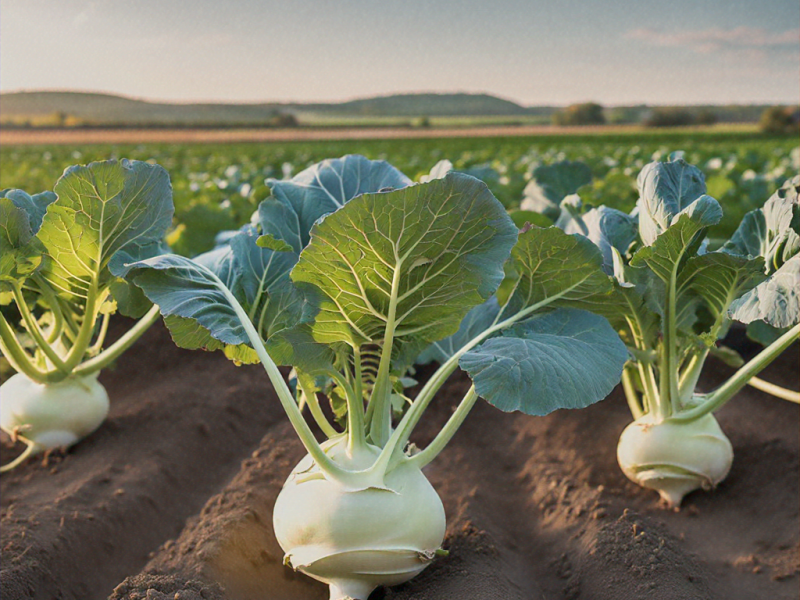
Maharashtra, with its rich agricultural heritage and diverse microclimates, offers an ideal environment for kohlrabi cultivation. This member of the cabbage family, known for its distinctive bulbous stem and nutritious leaves, has gained increasing attention from health-conscious consumers and culinary enthusiasts alike. As the demand for nutrient-dense, locally-sourced produce continues to grow, kohlrabi has emerged as a valuable addition to the state’s agricultural portfolio.
Kohlrabi’s adaptability to Maharashtra’s climate, coupled with its robust shelf life and versatile culinary applications, make it an attractive crop for farmers looking to diversify their offerings and capture a larger share of the market. By leveraging the region’s favorable growing conditions and tapping into the burgeoning consumer demand, growers can unlock a world of opportunities and reap the rewards of their labor.
Preparing for Kohlrabi Cultivation
Before embarking on your kohlrabi cultivation journey, it’s essential to lay the groundwork for success. Here are the key steps to consider:
- Site Selection: Choose a well-drained, fertile plot of land that receives ample sunlight. Kohlrabi thrives in moderately cool climates, making many regions of Maharashtra an ideal choice.
- Soil Preparation: Ensure that the soil is rich in organic matter and has a neutral pH level. Consider incorporating compost or well-rotted manure to enhance soil fertility and structure.
- Seed Selection: Opt for high-quality, disease-resistant kohlrabi seed varieties that are well-suited to Maharashtra’s growing conditions. Consult with local agricultural extension services or experienced farmers for recommendations.
- Timing and Sowing: Kohlrabi can be grown throughout the year in Maharashtra, but the optimal sowing period is usually from September to December, taking advantage of the region’s mild winters.
Cultivating Kohlrabi: Best Practices
Once you’ve laid the groundwork, it’s time to delve into the nitty-gritty of kohlrabi cultivation. Here’s a step-by-step guide to ensure a bountiful harvest:
- Seedling Preparation: Start by sowing the kohlrabi seeds in a nursery or seed bed, ensuring they are planted at the recommended depth and spacing. Provide consistent moisture and protection from pests and diseases during the seedling stage.
- Transplanting: When the seedlings have reached a height of 10-15 cm, carefully transplant them into the prepared field, maintaining a spacing of 30-45 cm between plants and rows.
- Irrigation and Fertilization: Kohlrabi requires consistent moisture throughout its growth cycle, so implement a regular irrigation schedule, ensuring the soil remains moist but not waterlogged. Supplement the crop with a balanced fertilizer regimen, incorporating both organic and inorganic sources to support optimal growth and development.
- Weed Management: Regularly remove weeds from the growing area to minimize competition for nutrients and water, ensuring the kohlrabi plants thrive.
- Pest and Disease Control: Monitor your kohlrabi crop closely for any signs of pests or diseases, and take prompt action using integrated pest management (IPM) techniques, such as the application of organic pesticides or the introduction of beneficial insects.
- Harvest and Post-Harvest Handling: Kohlrabi is ready for harvest when the bulb has reached the desired size, typically 8-12 cm in diameter. Gently remove the bulbs from the soil, taking care not to damage the leaves or stem. Ensure proper post-harvest handling, such as gentle washing, trimming, and storage in a cool, dry place to maintain quality and extend shelf life.
Unlocking the Market Potential
With a successful kohlrabi cultivation under your belt, the next step is to capitalize on the growing market demand. Maharashtra’s proximity to major urban centers and well-established transportation networks provide a significant advantage, allowing growers to efficiently reach a diverse customer base.
Kohlrabi’s versatility in culinary applications, from salads and stir-fries to roasted dishes, has propelled it into the spotlight of health-conscious consumers. Leveraging this trend, you can explore various marketing channels, such as partnering with local supermarkets, participating in farmers’ markets, or establishing direct-to-consumer sales through online platforms or community-supported agriculture (CSA) programs.
Additionally, the rising interest in locally-sourced, nutrient-dense produce presents an opportunity to differentiate your kohlrabi offerings. Consider implementing sustainable farming practices, emphasizing the crop’s health benefits, and highlighting its unique regional provenance to command a premium price point and build a loyal customer base.
Financial Considerations and Profit Potential
Kohlrabi cultivation in Maharashtra holds significant profit potential for savvy farmers. By carefully managing expenses and optimizing production, you can unlock a lucrative revenue stream. Here’s a breakdown of the key financial considerations:
- Input Costs: The initial investment in land preparation, seeds, fertilizers, and other agricultural inputs can vary depending on the scale of your operation and the specific requirements of your farm. However, kohlrabi is generally a cost-effective crop to grow, especially when using sustainable practices and leveraging local resources.
- Labor Costs: Kohlrabi cultivation requires a moderate amount of labor, primarily for tasks like transplanting, weeding, and harvesting. Depending on the size of your operation, you may need to factor in the costs of hired labor or family/community-based labor contribution.
- Market Prices and Revenue: The wholesale and retail prices for kohlrabi in Maharashtra can fluctuate based on supply and demand, as well as the quality and branding of your produce. However, the growing popularity of this versatile vegetable, coupled with the region’s favorable growing conditions, typically translates to strong market prices and the potential for robust revenue generation.
- Profit Margins: By optimizing your cultivation practices, minimizing expenses, and effectively marketing your kohlrabi, you can achieve profit margins in the range of 30-50% or more, depending on your scale of operation and target market.
To maximize your profit potential, it’s crucial to conduct thorough market research, stay informed about industry trends, and continuously refine your cultivation and marketing strategies. By leveraging Maharashtra’s favorable growing conditions, tapping into the rising consumer demand, and implementing sound financial practices, you can position your kohlrabi operation for long-term success and sustainable profitability.
Conclusion
Kohlrabi cultivation in Maharashtra presents a compelling opportunity for farmers and agricultural entrepreneurs. By understanding the market dynamics, adopting best practices in cultivation, and strategically positioning your products, you can unlock a world of possibilities and reap the rewards of this versatile and profitable crop.
As you embark on your kohlrabi growing journey, remember to stay adaptable, experiment with innovative techniques, and remain attuned to the evolving needs of your target market. By embracing this exciting venture, you not only contribute to Maharashtra’s agricultural landscape but also enhance the well-being of the community through the provision of fresh, nutritious, and locally-sourced produce.