
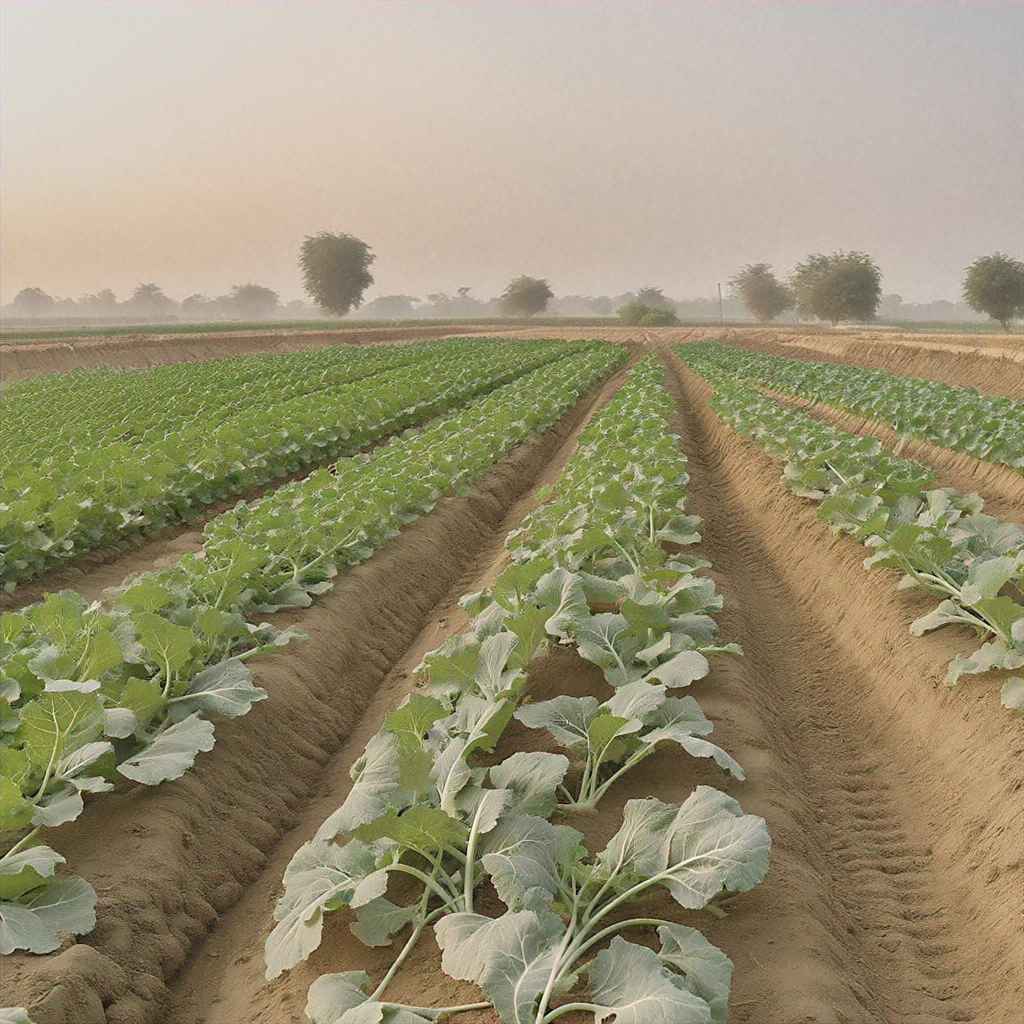
Kohlrabi Cultivation in Punjab (India): Market & Profit Logic – Varieties, Soil & Harvest
In the vast and diverse landscape of agriculture in India, one crop has been quietly making its mark, capturing the attention of farmers and market enthusiasts alike. Kohlrabi, a member of the cabbage family, has found a thriving home in the fertile plains of Punjab, offering a unique opportunity for growers to capitalize on a burgeoning market demand and reap substantial profits.
As the world’s population continues to grow, the need for nutritious and versatile food sources has become increasingly paramount. Kohlrabi, with its distinct flavor and impressive nutritional profile, has emerged as a crop that not only satisfies this demand but also presents a compelling case for farmers in Punjab to explore its cultivation.
Varieties of Kohlrabi Suited for Punjab
Punjab’s diverse climatic conditions and soil profiles make it an ideal region for cultivating a wide range of kohlrabi varieties. While several cultivars have been successfully grown in the state, a few standout options have proven particularly well-suited for the local environment:
- Early White Vienna: This classic variety is known for its rapid growth, producing large, round bulbs with a crisp, mild-flavored flesh. Its adaptability to Punjab’s warm summers and cool winters make it a popular choice among farmers.
- Purple Vienna: Boasting a distinctive purple-tinged exterior, this variety offers a slightly sweeter taste and a crisper texture compared to its white counterpart. Its vibrant color and unique flavor profile have made it a favorite among discerning consumers.
- Superschmelz: As the name suggests, this German-bred variety is renowned for its exceptional tenderness and smooth texture, even when grown to larger sizes. Its adaptability to Punjab’s climate and its ability to maintain quality during storage have made it a valuable addition to the region’s kohlrabi cultivation.
While these three varieties have emerged as frontrunners, Punjab’s farmers are continuously exploring and experimenting with new kohlrabi cultivars to determine the best fit for their local conditions and market demands.
Optimal Soil Conditions for Kohlrabi Cultivation
The success of kohlrabi cultivation in Punjab is largely dependent on the region’s rich and diverse soil profiles. Kohlrabi thrives in well-drained, loamy soils that are rich in organic matter and nutrients. The fertile alluvial plains of Punjab, formed by the deposition of sediments from the Himalayan rivers, provide an ideal growing medium for this crop.
Specifically, the optimal soil pH range for kohlrabi cultivation in Punjab is between 6.0 to 7.0, which ensures optimal nutrient availability and uptake by the plants. Additionally, the soil should have a balanced mix of macronutrients, such as nitrogen, phosphorus, and potassium, to support the plant’s growth and development.
To further enhance the soil’s fertility, Punjab’s farmers often incorporate organic matter, such as well-decomposed farmyard manure or compost, into the soil before planting. This not only improves the soil’s water-holding capacity but also provides a steady supply of essential nutrients for the kohlrabi plants throughout their growing cycle.
Harvesting Kohlrabi: Timing and Techniques
Timing is crucial when it comes to harvesting kohlrabi in Punjab, as the crop’s quality and market value are heavily dependent on the stage of maturity. Typically, kohlrabi is ready for harvest when the bulb has reached a diameter of 4-6 inches, usually around 50-60 days after transplanting the seedlings.
Punjab’s farmers employ various techniques to ensure the timely and efficient harvest of their kohlrabi crop. One common method involves carefully monitoring the size and texture of the bulbs, gently pressing them to check for firmness and even tapping the bulbs to assess their readiness. Additionally, some farmers may choose to cut a few sample bulbs to inspect the interior quality before committing to a full-scale harvest.
Once the kohlrabi bulbs have reached the optimal size and maturity, the farmers carefully remove them from the soil, taking care to preserve the delicate leaves and stems. The harvested bulbs are then sorted, cleaned, and prepared for either immediate sale or further processing, such as storage or transportation to nearby markets.
Market Dynamics and Profit Logic for Kohlrabi in Punjab
The cultivation of kohlrabi in Punjab has gained significant traction in recent years, driven by a growing domestic and international demand for this versatile vegetable. As consumers become increasingly health-conscious, the nutritional benefits of kohlrabi, such as its high vitamin and mineral content, have made it a popular choice among health-focused individuals and families.
In the domestic market, kohlrabi has found a strong foothold, with Punjab’s farmers capitalizing on the crop’s popularity in nearby metropolitan areas like Delhi and Chandigarh. These urban centers, with their expanding middle-class populations and growing preference for fresh, locally-sourced produce, have proven to be lucrative outlets for Punjab’s kohlrabi growers.
Furthermore, the export potential of Punjab’s kohlrabi has not gone unnoticed. As the global demand for diverse and nutrient-rich vegetables continues to rise, the state’s farmers have been exploring opportunities to expand their reach to international markets, particularly in the Middle East and European Union, where kohlrabi is highly valued for its culinary versatility and health benefits.
The profit logic behind kohlrabi cultivation in Punjab is compelling. With relatively low input costs, such as seeds, fertilizers, and labor, and the ability to achieve high yields per acre, Punjab’s farmers can generate substantial returns on their investment. Additionally, the crop’s storage capabilities and long shelf-life allow growers to capitalize on favorable market conditions, selling their produce at optimal prices throughout the year.
However, it’s important to note that the profitability of kohlrabi cultivation is not without its challenges. Farmers must be vigilant in monitoring and managing pests and diseases, which can significantly impact crop yields and quality. Additionally, fluctuations in market prices and the need to navigate complex supply chains can pose obstacles to maximizing profits.
Despite these challenges, the overall market dynamics and profit potential of kohlrabi cultivation in Punjab remain highly attractive, making it a crop worth serious consideration for the state’s agricultural community. As the demand for nutritious and versatile vegetables continues to grow, the future looks bright for Punjab’s kohlrabi growers, who are poised to capitalize on this burgeoning market opportunity.