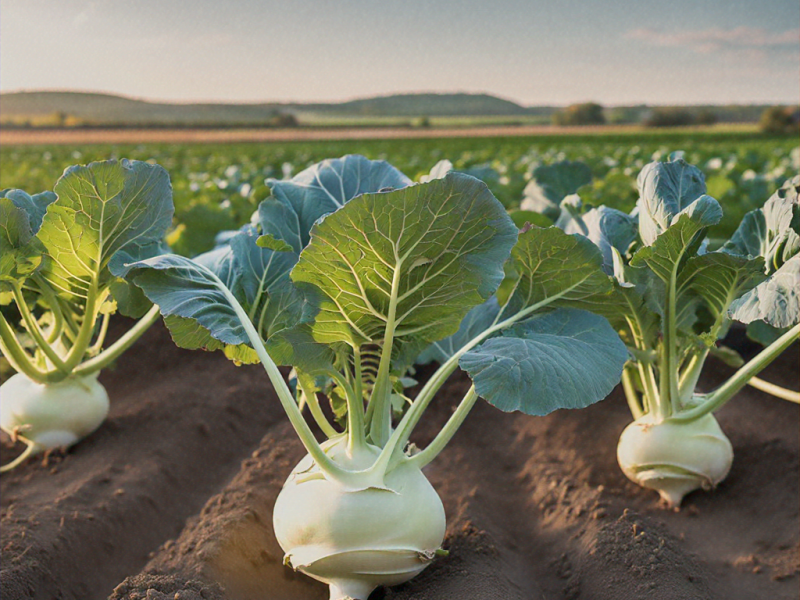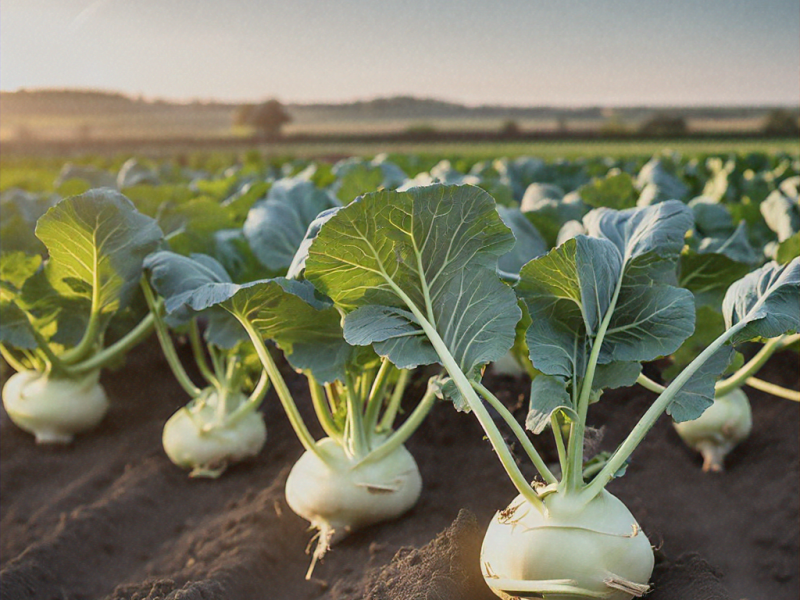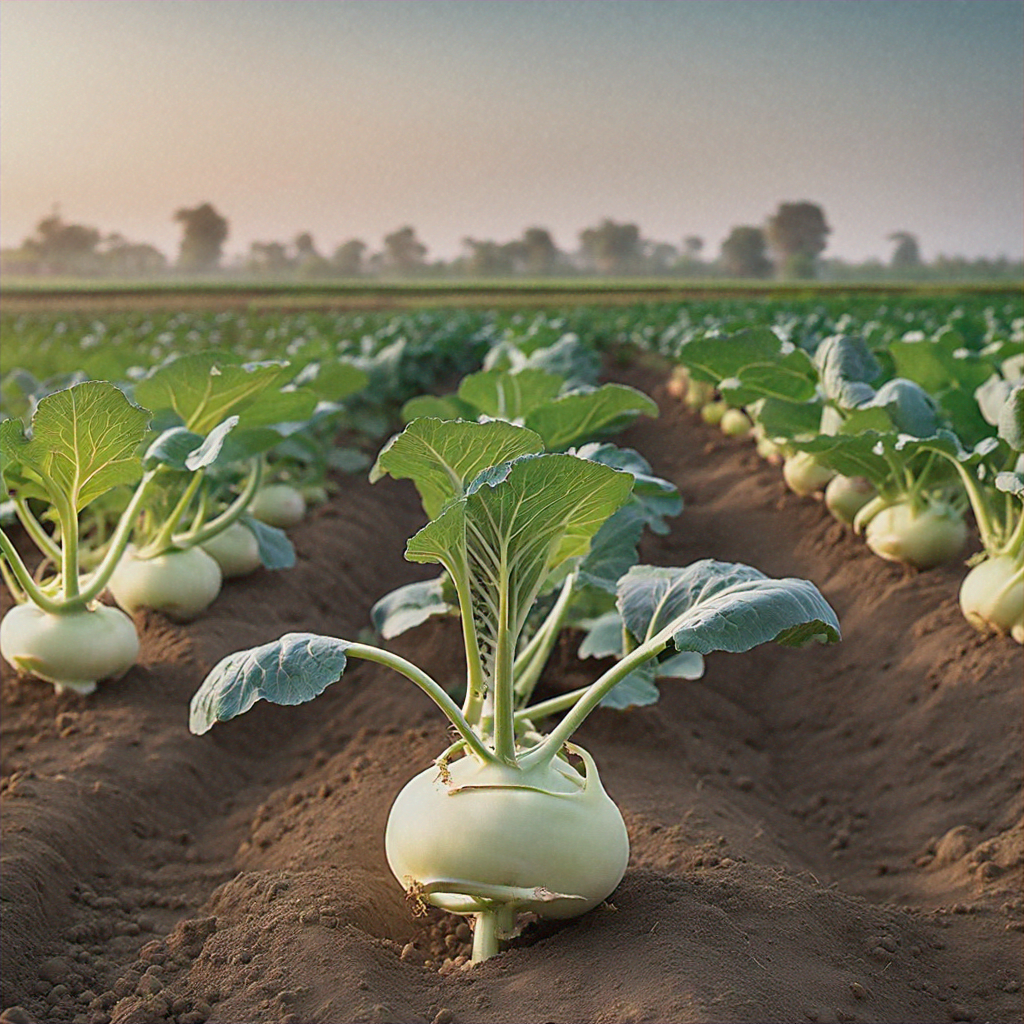
Growing Kohlrabi – Market & Profit Logic for India: Complete Guide & Best Practices
In the ever-evolving landscape of Indian agriculture, one crop is steadily gaining the attention of farmers and agribusiness enthusiasts alike – kohlrabi. This unique vegetable, often dubbed the “alien cabbage,” offers a compelling market opportunity for growers in India, with its growing demand and potential for lucrative returns. In this comprehensive guide, we’ll explore the market dynamics, profit logic, and best practices for successfully cultivating kohlrabi in the Indian context.
Understanding the Kohlrabi Market in India
Kohlrabi, a member of the Brassica family, is a versatile vegetable that has gained popularity in recent years. It is valued for its crunchy texture, mild flavor, and nutritional profile, which includes a rich source of vitamins, minerals, and dietary fiber. In India, the demand for kohlrabi has been steadily increasing, driven by a growing health-conscious population, the rise of urban farming initiatives, and the expansion of international cuisine influences.
According to industry reports, the Indian kohlrabi market is projected to witness a significant growth trajectory in the coming years. This can be attributed to several factors:
- Increasing consumer awareness and preference for nutrient-dense, low-calorie vegetables
- Expanding food service industry, including restaurants, hotels, and catering services, seeking unique and diverse vegetable options
- Growing export potential, particularly to Middle Eastern and European countries, where kohlrabi is a staple ingredient in various culinary traditions
- Promotion of urban farming and kitchen gardening initiatives, which have introduced kohlrabi to a wider audience
Profit Logic: Unlocking the Potential of Kohlrabi Cultivation
The profit potential of kohlrabi cultivation in India is compelling, particularly for small and medium-scale farmers. Here’s a breakdown of the key factors that contribute to the lucrative nature of this crop:
High Yield Potential
Kohlrabi is a fast-growing crop that can thrive in a variety of climatic conditions, including the diverse regions of India. With proper cultivation techniques and optimal growing conditions, kohlrabi can yield an average of 15-20 metric tons per acre, making it a highly productive crop for farmers.
Competitive Pricing and Market Demand
The current market price of kohlrabi in India ranges from ₹20 to ₹40 per kilogram, depending on the region and time of year. This attractive pricing, coupled with the growing demand, allows farmers to generate substantial revenue from their kohlrabi harvests.
Low Input Costs
Kohlrabi is a relatively low-maintenance crop, requiring minimal inputs in terms of fertilizers, pesticides, and labor. This translates to lower production costs for farmers, further enhancing the profit margins.
Diversified End-Use Opportunities
Kohlrabi can be utilized in a variety of ways, including as a fresh vegetable, in salads, stir-fries, and even pickled or fermented preparations. This versatility opens up multiple market channels, allowing farmers to explore different sales avenues and maximize their profits.
Potential for Value Addition
Beyond the sale of fresh kohlrabi, farmers can explore value-addition opportunities, such as processing the vegetable into soups, juices, or even freeze-dried products. These value-added products can command higher prices in the market, further boosting the overall profitability of kohlrabi cultivation.
Best Practices for Successful Kohlrabi Cultivation
To ensure the successful and profitable cultivation of kohlrabi in India, it’s essential to follow a set of best practices. Here’s a comprehensive guide:
Site Selection and Soil Preparation
Kohlrabi thrives in well-drained, fertile soils with a slightly acidic to neutral pH range (6.0-7.5). Choose a location that receives ample sunlight and has a consistent supply of water. Prepare the soil by incorporating organic matter, such as compost or well-rotted manure, to enhance nutrient content and water-holding capacity.
Seed Selection and Sowing
Select high-quality, disease-resistant kohlrabi seeds that are suitable for the local climate and market demands. Sow the seeds directly in the field or start them in a nursery and transplant the seedlings when they are 4-6 weeks old. Ensure proper spacing between plants to allow for optimal growth and development.
Irrigation and Fertilization
Kohlrabi requires consistent moisture throughout its growth cycle, with particularly high water needs during the bulb development stage. Implement a regular irrigation schedule, using drip or sprinkler systems to ensure efficient water usage. Supplement the soil with a balanced, nutrient-rich fertilizer, following the recommended application rates and timings.
Pest and Disease Management
Kohlrabi is susceptible to a range of pests and diseases, including aphids, cabbage worms, and fungal infections. Adopt an integrated pest management (IPM) approach, combining cultural, mechanical, and biological control measures to minimize the impact of these challenges. Regularly monitor your crop and take prompt action to address any issues that arise.
Harvesting and Post-Harvest Handling
Kohlrabi is typically ready for harvest when the bulbs are 4-6 inches in diameter, usually 2-3 months after sowing. Gently lift the bulbs from the ground, ensuring that the leaves and stems are intact. Carefully clean and store the harvested kohlrabi in a cool, well-ventilated place to extend its shelf life and maintain quality.
Marketing and Value Addition
Explore various marketing channels to sell your kohlrabi, including local markets, wholesale distributors, and direct-to-consumer options, such as farm stands or online platforms. Consider exploring value-addition opportunities, such as processing kohlrabi into pickles, chutneys, or freeze-dried products, to diversify your product offerings and increase profitability.
Conclusion
Kohlrabi cultivation in India presents a compelling opportunity for farmers and agribusiness entrepreneurs. With its growing market demand, favorable profit logic, and the implementation of best practices, kohlrabi can be a lucrative addition to the Indian agricultural landscape. By leveraging the insights provided in this guide, you can embark on a journey of successful kohlrabi cultivation, contributing to the overall welfare and sustainability of the Indian agricultural sector.