Market & Profit Logic for Kohlrabi – Global Guide: Step-by-Step & Yield Tips
As the world population continues to grow, the demand for nutritious and sustainable food sources has become increasingly crucial. One overlooked yet highly versatile vegetable that can play a vital role in addressing this global challenge is kohlrabi. In this comprehensive guide, we’ll explore the market potential, profit logic, and step-by-step cultivation methods for this underappreciated crop, as well as provide valuable tips to maximize your yield.
Understanding the Kohlrabi Market Potential
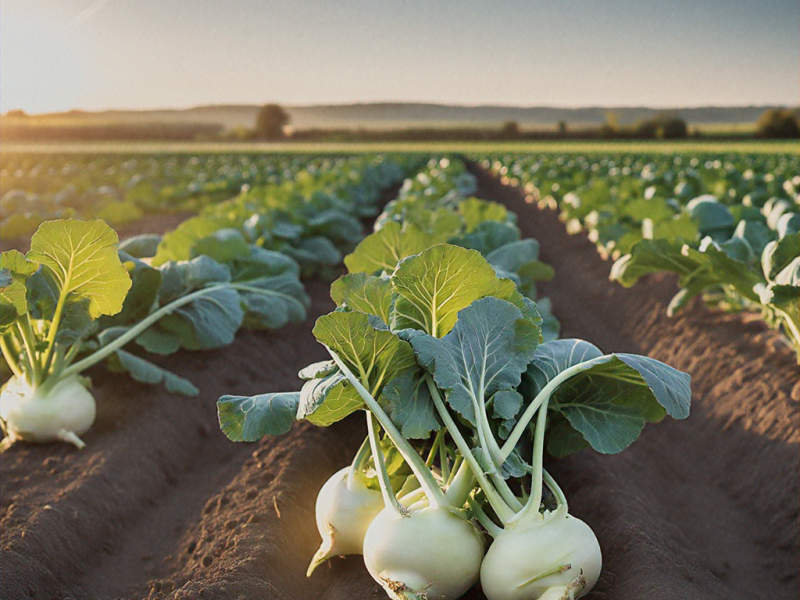
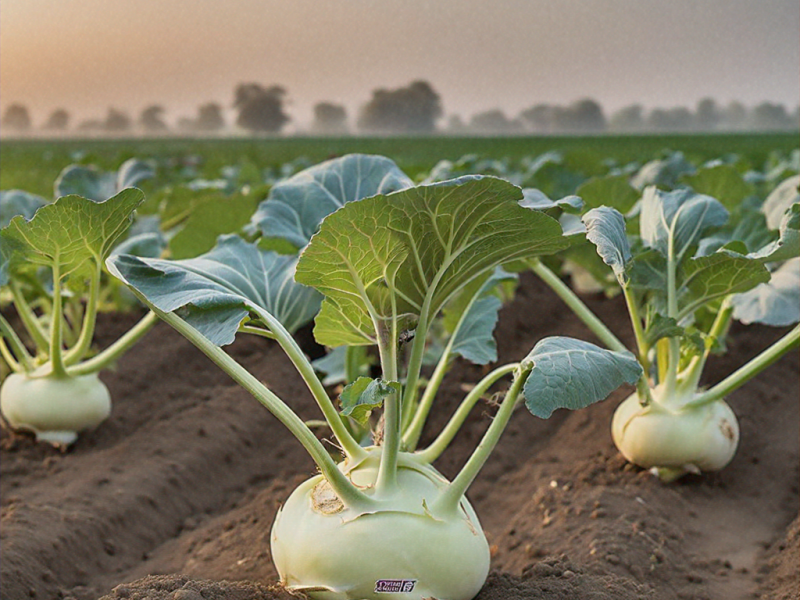
Kohlrabi, a member of the cabbage family, is a vegetable that is valued for its edible bulb-like stem and nutritional profile. While it may not be as widely recognized as some of its more popular cousins, such as broccoli or cauliflower, the global demand for kohlrabi is steadily on the rise. This is partly due to the growing awareness of its health benefits, which include high levels of vitamins C and K, as well as essential minerals like potassium and magnesium.
Furthermore, the versatility of kohlrabi in the kitchen has also contributed to its increasing popularity. It can be eaten raw, roasted, or incorporated into a variety of dishes, making it an attractive option for health-conscious consumers and chefs alike. As the trend towards plant-based diets and sustainable food production continues to gain momentum, the market potential for kohlrabi is poised for significant growth in the coming years.
Profit Logic: Identifying Opportunities in the Kohlrabi Market
Given the rising demand for kohlrabi, there are several opportunities for savvy farmers and agricultural entrepreneurs to capitalize on this trend and maximize their profits. Here are some key factors to consider when developing a profit logic for growing and selling kohlrabi:
- Premium Pricing: Kohlrabi is often considered a specialty or gourmet vegetable, which allows growers to command higher prices compared to more common produce. By marketing the unique flavor and health benefits of kohlrabi, you can position it as a premium product and attract customers willing to pay a premium price.
- Diversified Revenue Streams: In addition to selling the fresh bulbs, consider exploring value-added products, such as kohlrabi slaw, chips, or even kohlrabi-based juices or smoothies. These secondary revenue streams can help to diversify your income and maximize your profit potential.
- Targeted Marketing and Distribution: Identify the most lucrative sales channels for your kohlrabi, such as high-end grocery stores, farmers’ markets, or even direct-to-consumer online sales. Tailor your marketing messaging and product packaging to appeal to your target audience and secure a competitive edge in the market.
- Season Extension and Year-Round Production: By utilizing techniques like season extension through the use of greenhouses or cold frames, you can extend the growing season and offer kohlrabi to your customers for a more extended period. This can help to stabilize your income and meet the year-round demand for the crop.
- Cost Optimization and Efficiency: Carefully manage your production costs, from seed selection and soil preparation to irrigation and labor, to ensure maximum profitability. Explore strategies like crop rotation, integrated pest management, and efficient harvesting methods to optimize your yields and reduce expenses.
Step-by-Step Guide to Kohlrabi Cultivation
To help you capitalize on the market potential of kohlrabi, here’s a step-by-step guide to successful cultivation:
Site Selection and Soil Preparation
Kohlrabi thrives in well-drained, nutrient-rich soil with a slightly acidic pH (between 6.0 and 7.0). Choose a site that receives full sun exposure, as kohlrabi requires at least 6 hours of direct sunlight per day. Prepare the soil by incorporating organic matter, such as compost or well-rotted manure, to improve soil structure and fertility.
Planting and Spacing
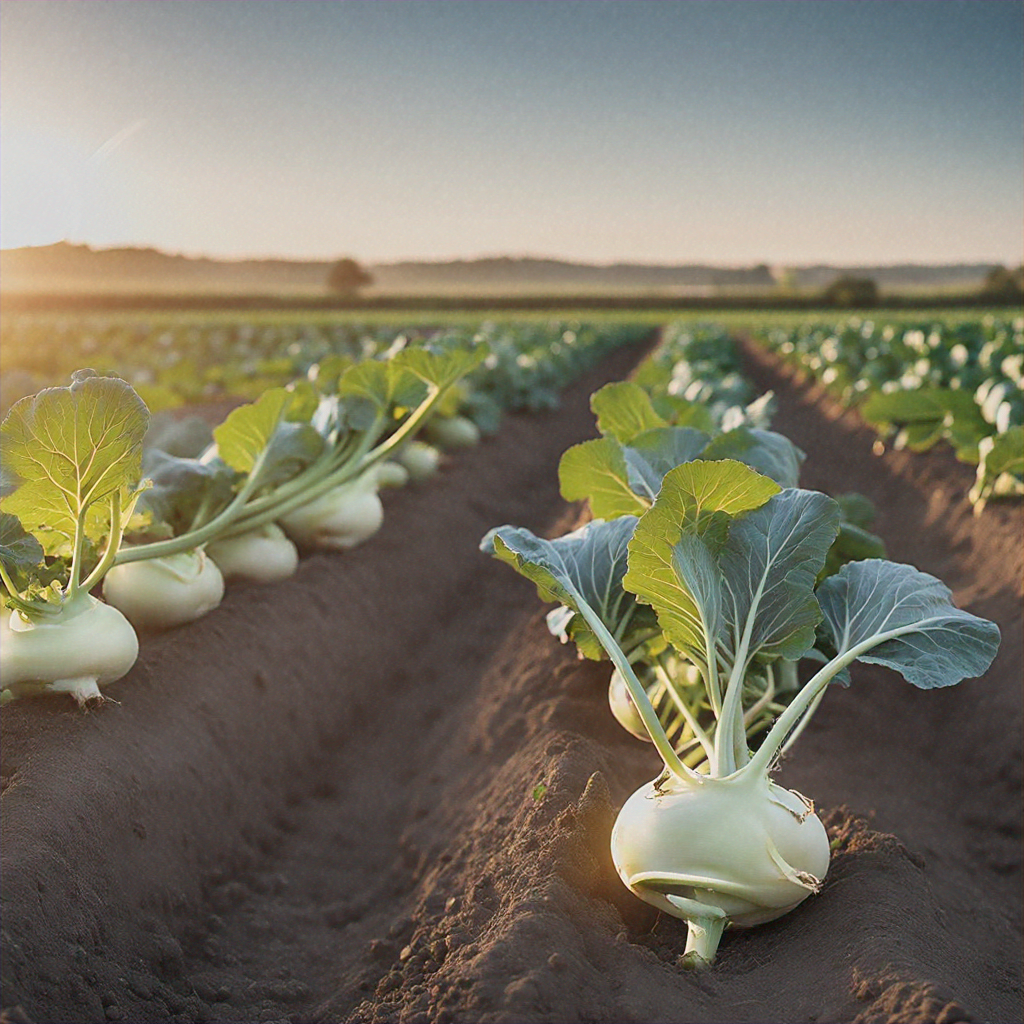
Kohlrabi can be grown from seed or transplanted as seedlings. If starting from seed, sow them 1/4 to 1/2 inch deep and 1 to 2 inches apart. Thin the seedlings to 6 to 8 inches apart once they reach 2 to 3 inches in height. For transplants, space the plants 6 to 12 inches apart in rows that are 18 to 24 inches apart.
Watering and Fertilization
Kohlrabi requires consistent moisture throughout the growing season, with about 1 to 1.5 inches of water per week, either from rainfall or irrigation. Avoid letting the soil dry out, as this can cause the bulbs to become tough and fibrous. Fertilize your kohlrabi plants with a balanced, slow-release fertilizer at the time of planting, and consider applying a nitrogen-rich side dressing halfway through the growing season to promote healthy leaf growth.
Pest and Disease Management
Kohlrabi is relatively resistant to many common pests and diseases, but it’s essential to monitor your plants regularly and take appropriate action if issues arise. Some potential problems include cabbage loopers, aphids, and club root disease. Implement integrated pest management strategies, such as using row covers, rotating crops, and encouraging beneficial insects, to maintain the health of your kohlrabi plants.
Harvesting and Storage
Kohlrabi is ready to harvest when the bulb reaches 2 to 4 inches in diameter, typically 55 to 65 days after planting. Gently pull or cut the bulb from the ground, leaving about 2 inches of the stem attached. For optimal flavor and texture, harvest kohlrabi in the morning and consume or store it as soon as possible. Kohlrabi can be stored in the refrigerator for up to 2 weeks or frozen for longer-term preservation.
Maximizing Kohlrabi Yield: Tips and Strategies
To ensure a bountiful kohlrabi harvest and maximize your profits, consider these additional tips and strategies:
- Succession Planting: Sow kohlrabi seeds every 2 to 3 weeks throughout the growing season to ensure a continuous supply of fresh produce. This can help you meet the year-round demand and avoid periods of low production.
- Intercropping: Experiment with intercropping kohlrabi with other compatible crops, such as lettuce or radishes, to optimize land use and capitalize on the complementary growing requirements of different vegetables.
- Season Extension Techniques: Utilize tools like row covers, cold frames, or greenhouses to extend the growing season and maintain production during colder months. This can provide you with a competitive advantage and allow you to supply kohlrabi when it’s less abundant in the market.
- Varietal Selection: Choose kohlrabi cultivars that are well-suited to your local climate and growing conditions. Some varieties may be more heat-tolerant, while others may excel in cooler temperatures, allowing you to select the most appropriate options for your farm.
- Precision Farming Practices: Implement precision farming techniques, such as GPS-guided planting, variable-rate fertilization, and data-driven irrigation management, to optimize resource use, improve yields, and enhance the overall efficiency of your kohlrabi production.
By understanding the market potential, developing a profit-driven strategy, and following proven cultivation practices, you can position your kohlrabi operation for success and capitalize on the growing demand for this versatile and nutritious vegetable. With the right approach, you can contribute to global food security while also building a sustainable and profitable agricultural business.