Kohlrabi Cultivation in Texas: Hydroponic & CEA Blueprint – Varieties, Soil & Harvest
In the vast and diverse agricultural landscape of Texas, there’s a hidden gem that’s slowly gaining recognition – the humble kohlrabi. This versatile vegetable, often overlooked, holds the potential to become a valuable addition to the state’s thriving agricultural industry. Whether you’re a seasoned farmer, a budding homesteader, or an urban gardener, this comprehensive guide will equip you with the knowledge and tools to successfully cultivate kohlrabi in Texas, using both hydroponic and Controlled Environment Agriculture (CEA) techniques.
Introducing Kohlrabi: The Versatile Vegetable
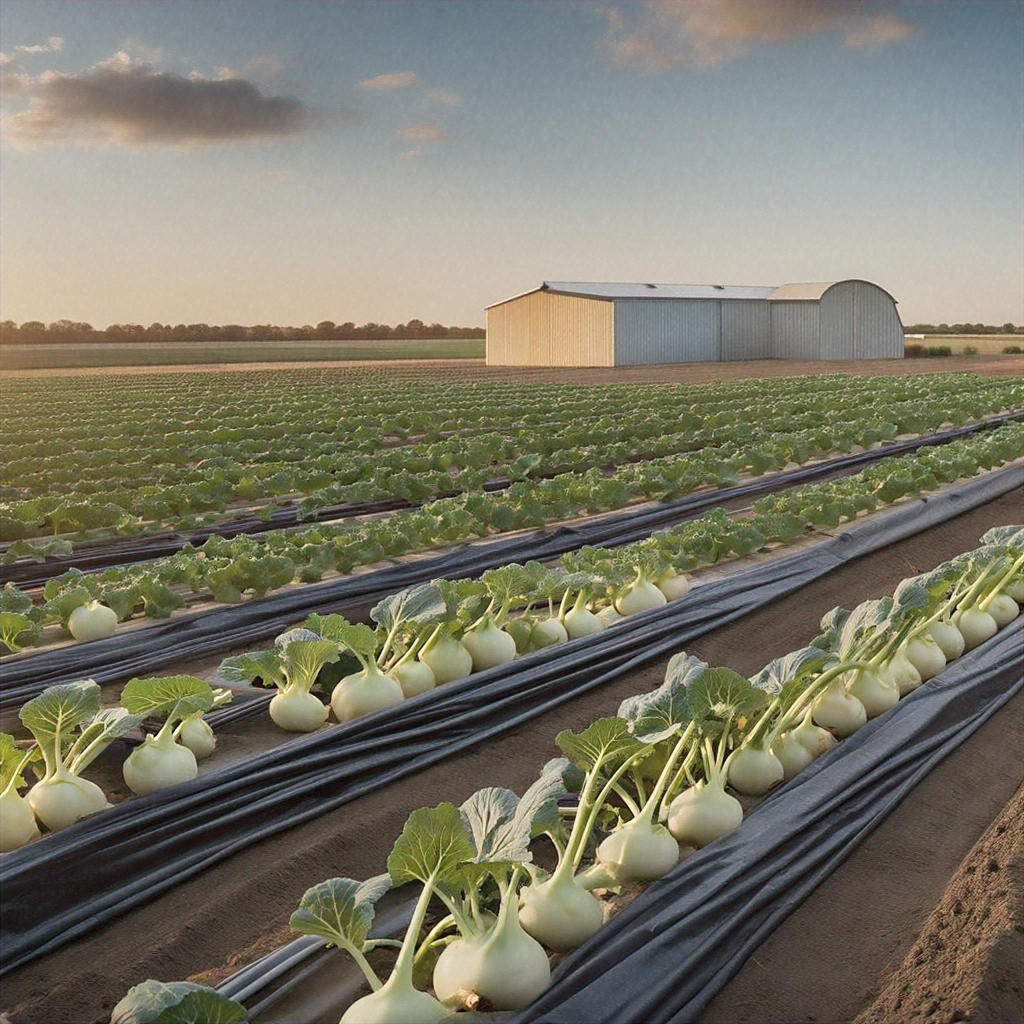
Kohlrabi, scientifically known as Brassica oleracea var. gongylodes, is a member of the cabbage family. Unlike its leafy cousins, kohlrabi is prized for its unique, edible bulb-like stem that can be consumed raw or cooked. This nutrient-dense vegetable is rich in vitamins C and B6, as well as minerals like potassium and calcium. Kohlrabi boasts a crisp, sweet, and slightly peppery flavor that adds a delightful twist to salads, slaws, and a wide range of culinary creations.
Cultivating Kohlrabi in Texas: Hydroponic and CEA Approaches
Texas’ warm and diverse climate makes it an ideal location for kohlrabi cultivation. By leveraging the benefits of hydroponic and CEA (Controlled Environment Agriculture) systems, growers can maximize their yields and extend the growing season, ensuring a consistent supply of this versatile vegetable.
Hydroponic Kohlrabi Cultivation
Hydroponic systems offer numerous advantages for kohlrabi growers in Texas. These soil-less growing methods provide plants with a precisely controlled nutrient solution, water, and environment, leading to faster growth, higher yields, and reduced land and water usage.
Variety Selection
When it comes to hydroponic kohlrabi cultivation in Texas, the variety selection is crucial. Some well-suited varieties include:
- Early White Vienna: A fast-growing, early-maturing variety with a smooth, white bulb and mild flavor.
- Superschmelz: A larger, more rounded variety with a sweeter taste and later maturity.
- Kossak: A giant kohlrabi with a bulb that can reach up to 8 inches in diameter, perfect for slicing and roasting.
Hydroponic System Design
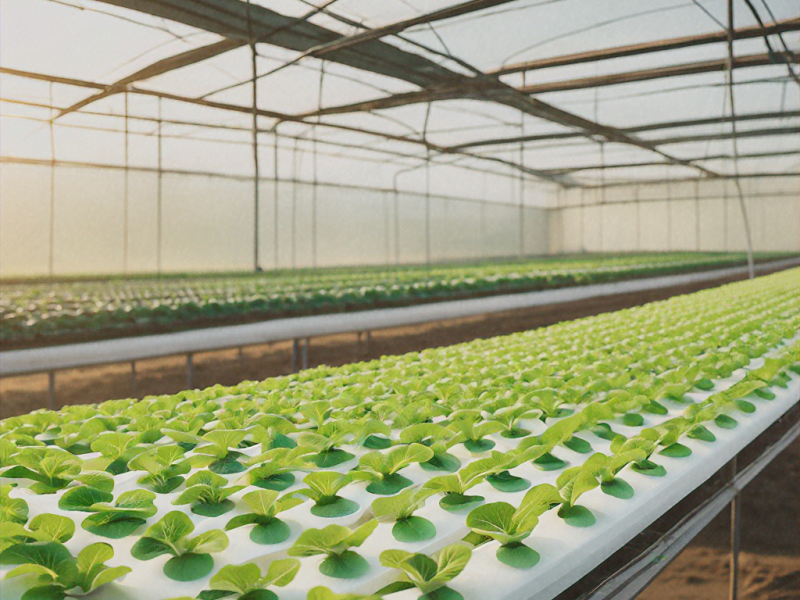
When setting up a hydroponic system for kohlrabi cultivation in Texas, growers should consider factors such as nutrient solution, water pH, and environmental controls. A popular hydroponic method for kohlrabi is the Nutrient Film Technique (NFT), which provides a continuous flow of nutrient-rich water to the plant’s roots.
Nutrient Management
Kohlrabi thrives in a well-balanced nutrient solution, with an emphasis on nitrogen, phosphorus, and potassium. Growers should regularly monitor and adjust the pH and EC (electrical conductivity) levels to ensure optimal nutrient uptake and plant health.
Controlled Environment Agriculture (CEA) Kohlrabi Cultivation
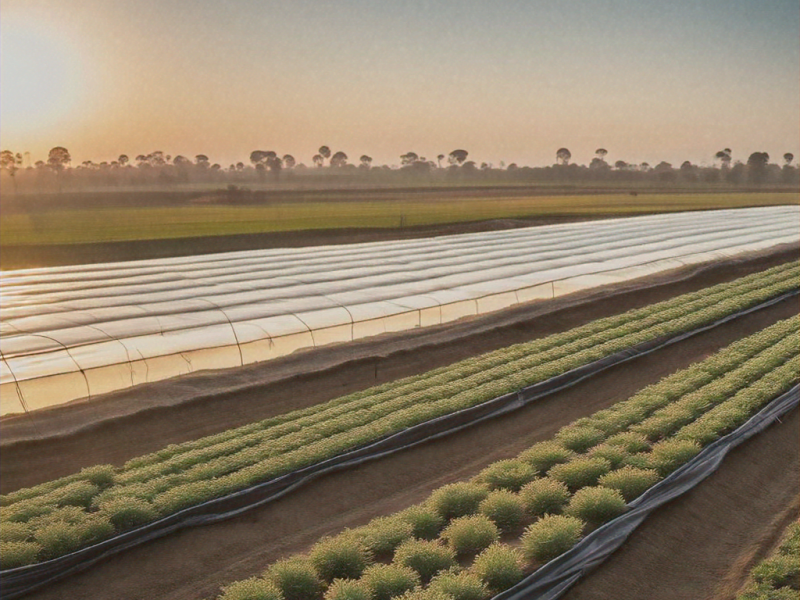
In addition to hydroponic systems, Controlled Environment Agriculture (CEA) offers another promising approach for kohlrabi cultivation in Texas. CEA techniques, such as greenhouse or indoor farming, allow growers to precisely control the growing environment, leading to year-round production and enhanced crop quality.
Variety Selection for CEA
When cultivating kohlrabi in a CEA system, the variety selection should consider factors like disease resistance, growth habits, and suitability for the controlled environment. Recommended varieties for CEA in Texas include:
- Superschmelz: A versatile variety that thrives in controlled environments and produces large, flavorful bulbs.
- Kongo: A compact, fast-growing variety with a short maturity period, well-suited for high-density CEA systems.
- Kolibri: A vibrant purple-skinned variety that adds a unique color and flavor profile to CEA-grown kohlrabi.
CEA System Design
Successful CEA kohlrabi cultivation in Texas requires careful consideration of the growing environment. Factors such as temperature, humidity, lighting, and air circulation must be meticulously monitored and adjusted to create the optimal conditions for plant growth and development.
Soil and Substrate Considerations
While hydroponic and CEA systems eliminate the need for soil, it’s essential to provide kohlrabi plants with a suitable growing medium. In a CEA setting, growers may opt for soilless substrates like coco coir, perlite, or vermiculite, which offer excellent aeration and water-holding capacity.
Pest and Disease Management
Maintaining a healthy and pest-free environment is crucial for both hydroponic and CEA kohlrabi cultivation in Texas. Growers should implement an integrated pest management (IPM) strategy, combining preventive measures, cultural practices, and targeted organic or biological controls to minimize the risk of common kohlrabi pests and diseases.
Harvesting and Post-Harvest Handling
Kohlrabi is typically ready for harvest when the bulb reaches 2-4 inches in diameter, usually 45-60 days after transplanting. Growers should carefully monitor the plant’s development and harvest the bulbs when they are firm and tender. Proper post-harvest handling, including cooling, cleaning, and storage, is essential to maintain the quality and extend the shelf life of the harvested kohlrabi.
Marketing and Selling Kohlrabi
As the demand for locally-grown, nutrient-dense produce continues to rise, Texas growers have a unique opportunity to capitalize on the growing interest in kohlrabi. By leveraging direct-to-consumer channels, such as farmers’ markets, CSAs (Community Supported Agriculture), and online sales platforms, growers can connect with health-conscious consumers and establish a loyal customer base for their high-quality kohlrabi products.
Conclusion
Kohlrabi cultivation in Texas, using both hydroponic and CEA techniques, presents an exciting opportunity for growers to diversify their crop portfolio and meet the increasing demand for nutrient-rich, locally-grown produce. By carefully selecting suitable varieties, designing efficient growing systems, and implementing sustainable management practices, Texas farmers can unlock the full potential of this versatile vegetable and contribute to the state’s thriving agricultural landscape.