Unlocking the Potential of Kohlrabi: A Hydroponic and Controlled Environment Agriculture Blueprint for Success in the United States
In the ever-evolving landscape of agriculture, the pursuit of innovative and sustainable methods has become paramount. As the world grapples with the challenges of food security and environmental preservation, the cultivation of lesser-known yet highly nutritious crops has gained significant traction. Enter kohlrabi, a vibrant and versatile member of the Brassica family, primed to revolutionize the way we approach urban and small-scale farming in the United States.
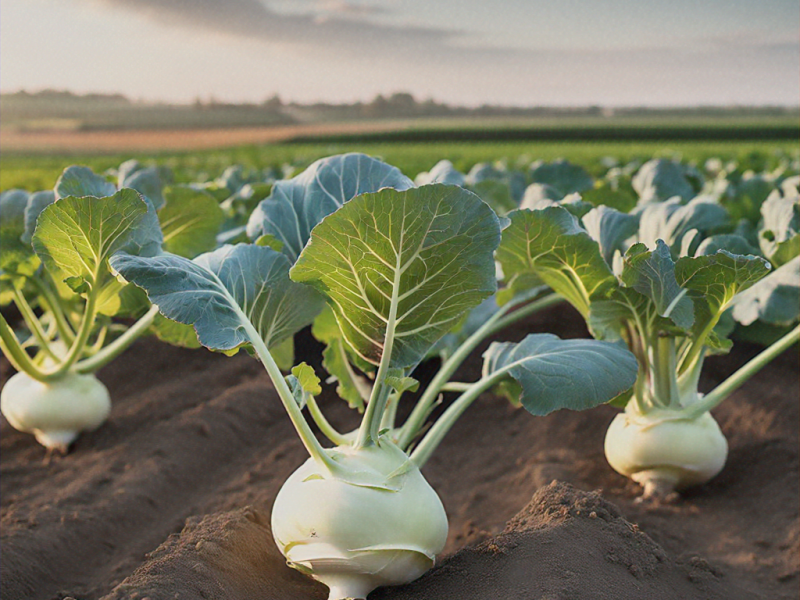
Kohlrabi, often referred to as the “German turnip,” is a unique vegetable that thrives in cool climates and offers a delightful crunch, coupled with a subtle, sweet flavor. Its adaptability and nutrient-rich profile make it an attractive choice for both home gardeners and commercial growers seeking to diversify their crop selections. In this comprehensive guide, we will delve into the intricacies of cultivating kohlrabi using hydroponic and controlled environment agriculture (CEA) techniques, empowering you to unlock the full potential of this underutilized crop and contribute to the betterment of human welfare.
Understanding the Basics of Kohlrabi Cultivation
Kohlrabi is a cool-season crop that can be grown year-round in temperate climates, making it an ideal candidate for hydroponic and CEA systems. It thrives in well-drained, nutrient-rich soil and requires consistent moisture throughout its growth cycle. To ensure optimal results, it is essential to pay close attention to factors such as temperature, light, and nutrient management.
Hydroponic Cultivation of Kohlrabi
Hydroponic systems offer a highly controlled environment for the cultivation of kohlrabi, allowing growers to precisely manage the nutrient, water, and environmental conditions required for its successful growth. Here’s a step-by-step guide to setting up a hydroponic kohlrabi operation:
- Choosing a Hydroponic System: Consider the size of your growing space and the level of automation you desire. Popular hydroponic systems for kohlrabi include deep water culture (DWC), nutrient film technique (NFT), and aeroponics.
- Selecting the Right Growing Medium: Kohlrabi thrives in a well-aerated, nutrient-rich growing medium. Opt for a soilless mix, such as coco coir, perlite, or a blend of both, to ensure optimal drainage and root development.
- Nutrient Management: Develop a balanced nutrient solution that provides the essential macro- and micronutrients required by kohlrabi. Regularly test and adjust the pH and electrical conductivity (EC) levels to maintain the optimal range for the crop.
- Lighting Requirements: Kohlrabi requires 6-8 hours of direct sunlight or supplemental lighting, such as LED or high-pressure sodium (HPS) lamps, to thrive. Ensure a consistent light cycle and monitor the intensity to prevent issues like bolting or stunted growth.
- Temperature and Humidity Control: Kohlrabi prefers a temperature range of 60-75°F (15-24°C) and a relative humidity of 60-70%. Maintain these conditions through the use of climate control systems, such as HVAC units or dehumidifiers, to create an optimal growing environment.
- Pest and Disease Management: Regularly inspect your kohlrabi plants for signs of pests or diseases and implement integrated pest management (IPM) strategies, including the use of beneficial insects, organic pest control methods, and proper sanitation practices.
Controlled Environment Agriculture (CEA) for Kohlrabi
Controlled Environment Agriculture (CEA) offers an advanced approach to kohlrabi cultivation, allowing for precise control over the growing conditions and maximizing the crop’s yield and quality. Here’s a breakdown of the key aspects of a CEA system for kohlrabi:
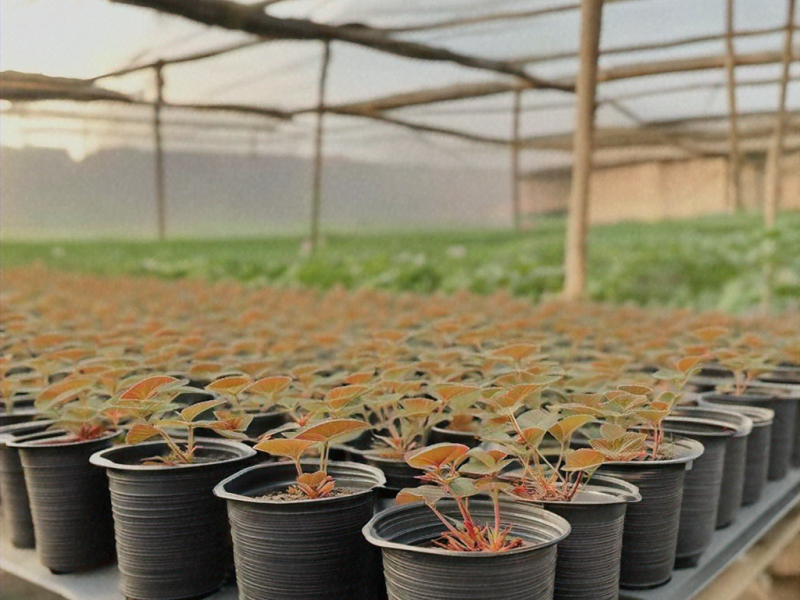
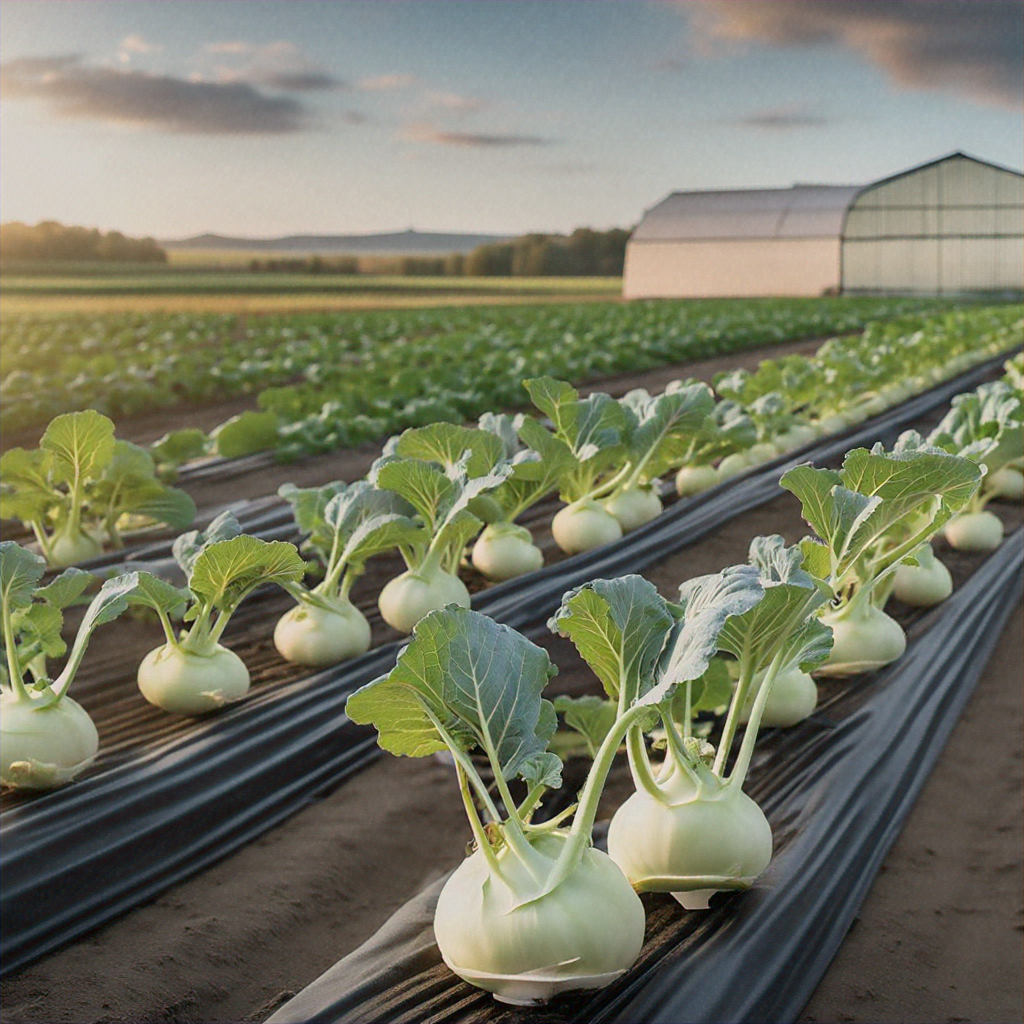
- Greenhouse or Indoor Facility: Choose a well-insulated, climate-controlled greenhouse or indoor growing facility to create the optimal environment for kohlrabi cultivation. Consider factors like orientation, ventilation, and automated climate control systems.
- Soilless Cultivation: Utilize soilless growing media, such as coco coir, perlite, or a hydroponic solution, to provide the necessary nutrients and support for the kohlrabi roots. This allows for precise control over the growing medium and eliminates the risk of soil-borne pests and diseases.
- Irrigation and Fertigation Systems: Implement a sophisticated irrigation system, coupled with a fertigation unit, to deliver the precise amount of water and nutrients required by the kohlrabi plants throughout their growth cycle. Monitor and adjust the nutrient solution as needed to maintain optimal plant health and productivity.
- Lighting and Climate Control: Utilize a combination of natural and supplemental lighting, such as LED or high-pressure sodium (HPS) lamps, to ensure the kohlrabi plants receive the appropriate light intensity and duration. Integrate climate control systems, including heating, cooling, and humidity regulation, to maintain the ideal growing conditions.
- Automated Monitoring and Management: Leverage advanced sensor technologies and data analytics to continuously monitor the growing environment and make data-driven decisions to optimize kohlrabi production. This includes tracking factors like temperature, humidity, pH, EC, and nutrient levels.
- Pest and Disease Management: Implement a comprehensive integrated pest management (IPM) strategy, incorporating preventive measures, biological controls, and targeted interventions to minimize the risk of pests and diseases in the controlled environment.
The Advantages of Hydroponic and CEA Kohlrabi Cultivation
Embracing hydroponic and CEA techniques for kohlrabi cultivation offers numerous advantages that contribute to the overall well-being of both growers and consumers:
- Year-Round Production: Hydroponic and CEA systems allow for the continuous cultivation of kohlrabi, enabling a reliable and consistent supply of this nutritious crop throughout the year, regardless of seasonal fluctuations or regional climate variations.
- Increased Yield and Quality: By precisely controlling the growing conditions, hydroponic and CEA systems can optimize the growth and development of kohlrabi, leading to higher yields and superior quality, with increased nutrient density and extended shelf life.
- Water and Resource Efficiency: Hydroponic and CEA systems are designed to be highly efficient in their use of water, nutrients, and other resources, minimizing waste and reducing the environmental impact of kohlrabi cultivation.
- Reduced Pesticide and Herbicide Use: The controlled environments of hydroponic and CEA systems allow for the implementation of integrated pest management strategies, reducing the need for synthetic pesticides and herbicides and promoting a more sustainable and healthier food system.
- Localized Food Production: Hydroponic and CEA systems can be established in urban and suburban areas, bringing the production of kohlrabi closer to the consumer and reducing the carbon footprint associated with long-distance transportation.
- Diversification of the Food Supply: By introducing kohlrabi as a viable and nutritious crop option, hydroponic and CEA systems can contribute to the diversification of the food supply, enhancing food security and providing consumers with a wider range of healthy, locally-sourced options.
Conclusion: Unlocking the Potential of Kohlrabi for a Sustainable Future
As the world faces the ever-pressing challenges of food security, environmental sustainability, and human welfare, the cultivation of versatile and nutrient-rich crops like kohlrabi holds immense promise. By embracing the power of hydroponic and controlled environment agriculture (CEA) techniques, growers in the United States can unlock the full potential of kohlrabi, contributing to a more resilient and accessible food system that prioritizes the well-being of both people and the planet. Through the adoption of these innovative approaches, we can cultivate a future where the cultivation of underutilized crops like kohlrabi becomes a driving force for positive change, enhancing food security, promoting environmental stewardship, and ultimately, improving the overall human welfare.