Hydroponic & CEA Blueprint for Kohlrabi – India Guide: Step-by-Step & Yield Tips
In the ever-evolving realm of agriculture, innovative techniques like hydroponics and Controlled Environment Agriculture (CEA) have emerged as game-changers, revolutionizing the way we grow and harvest crops. One such versatile vegetable that has garnered significant attention in the Indian agricultural landscape is kohlrabi. This article delves into the blueprint for successfully cultivating kohlrabi using hydroponic and CEA methods, providing a comprehensive guide tailored for Indian growers.
Understanding Kohlrabi: The Versatile Vegetable
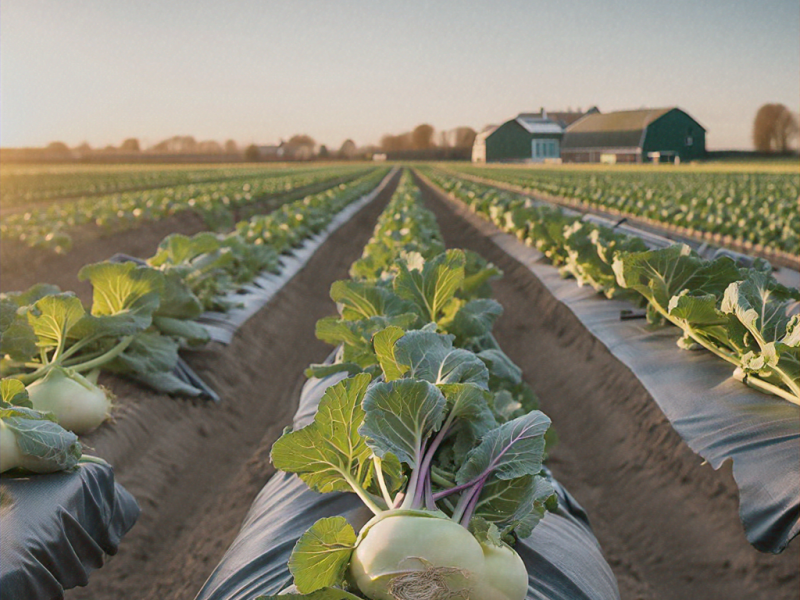
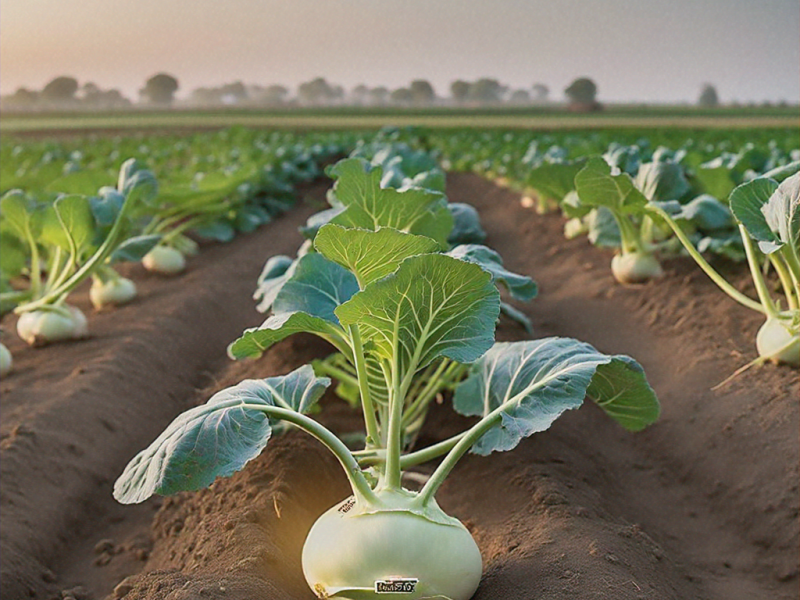
Kohlrabi, a member of the Brassica family, is a unique vegetable that combines the flavors and textures of both cabbage and broccoli. While its appearance may resemble a turnip, kohlrabi offers a crisp, juicy, and slightly sweet taste that has made it a popular choice among health-conscious consumers and culinary enthusiasts alike. Known for its exceptional nutritional profile, kohlrabi is rich in vitamins C, B6, and K, as well as minerals like potassium and calcium.
The versatility of kohlrabi extends beyond its culinary applications. This vegetable can be enjoyed raw, roasted, or incorporated into a variety of dishes, making it a versatile addition to any meal. Furthermore, the leaves of the kohlrabi plant are also edible and can be used in salads or sautéed dishes, adding to the overall value of this remarkable crop.
The Benefits of Hydroponic and CEA Cultivation
Embracing the hydroponic and CEA approach to kohlrabi cultivation offers several notable advantages, particularly in the Indian context. These innovative methods provide greater control over the growing environment, allowing for optimized nutrient delivery, water management, and pest control. This, in turn, can lead to higher yields, improved quality, and more efficient use of resources, making it an attractive option for both small-scale and large-scale farmers.
Additionally, hydroponic and CEA systems are less susceptible to environmental fluctuations, such as changes in weather patterns or soil quality, making them a more reliable and consistent option for year-round production. This adaptability is especially valuable in regions where traditional outdoor farming may face challenges due to climate change or other environmental factors.
Step-by-Step Guide for Hydroponic Kohlrabi Cultivation
Embarking on the journey of hydroponic kohlrabi cultivation requires careful planning and execution. Here’s a step-by-step guide to help you get started:
1. Choose the Right Growing System
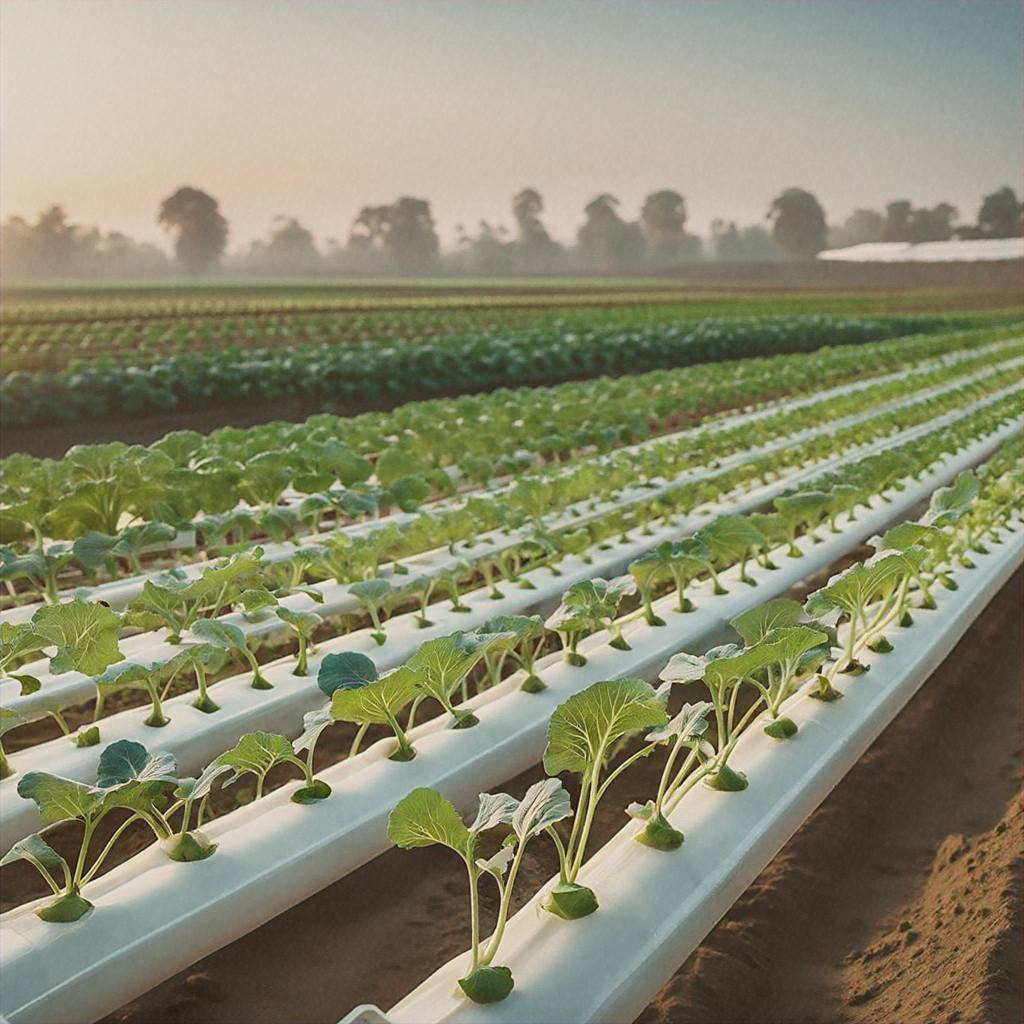
Selecting the appropriate hydroponic system is crucial for the success of your kohlrabi cultivation. Some popular options include deep water culture (DWC), nutrient film technique (NFT), and ebb and flow systems. Each system has its own unique characteristics, so it’s important to research and choose the one that best suits your growing environment and production goals.
2. Prepare the Growing Media
In hydroponic systems, the growing media plays a crucial role in providing support and delivering essential nutrients to the plants. Common media choices for kohlrabi include coco coir, perlite, or a combination of these materials. Ensure that the media is properly washed and sterilized before use to prevent any potential contaminants.</
3. Establish the Nutrient Solution
Kohlrabi thrives in a well-balanced nutrient solution that provides the necessary macro- and micronutrients for optimal growth. Consult with experts or refer to reliable sources to determine the appropriate nutrient formula for your specific system and growing conditions. Regularly monitor and adjust the pH and electrical conductivity (EC) of the solution to maintain optimal levels.
4. Sow and Transplant the Seedlings
Start by sowing the kohlrabi seeds in a suitable medium, such as a seed starting tray or rockwool cubes. Once the seedlings have developed their first set of true leaves, carefully transplant them into the hydroponic system, ensuring that the roots are well-established in the growing media.
5. Maintain the Growing Environment
Kohlrabi thrives in a controlled environment with optimal temperature, humidity, and lighting conditions. Maintain a temperature range of 18-25°C (64-77°F) and a relative humidity between 60-80%. Provide adequate lighting, either through natural sunlight or supplemental lighting, to ensure the plants receive the necessary photosynthetic energy.
6. Monitor and Adjust the System
Regularly monitor the hydroponic system for any issues, such as nutrient deficiencies, pests, or disease. Promptly address any problems to ensure the health and vigor of your kohlrabi plants. Additionally, maintain a consistent watering schedule and monitor the nutrient solution to ensure optimal levels are maintained.
7. Harvest and Post-Harvest Handling
Kohlrabi is typically ready for harvest when the bulb has reached the desired size, typically between 7-10 cm (2.8-3.9 inches) in diameter. Gently remove the plants from the system, taking care not to damage the roots. Wash the kohlrabi, trim the leaves, and store in a cool, dry place to maintain freshness and quality.
Optimizing Yields: Kohlrabi Cultivation Tips
To ensure maximum yield and quality in your hydroponic kohlrabi cultivation, consider the following tips:
- Variety Selection: Choose kohlrabi cultivars that are well-suited for hydroponic or CEA systems, as they may exhibit improved growth characteristics and disease resistance.
- Planting Density: Optimize the planting density to maximize the use of available space while ensuring adequate air circulation and resource distribution.
- Nutrient Management: Closely monitor the nutrient solution and make adjustments as needed to maintain the ideal balance of essential elements for kohlrabi growth.
- Pest and Disease Control: Implement integrated pest management (IPM) strategies, such as the use of beneficial insects or natural pesticides, to prevent and manage any pest or disease issues.
- Harvest Timing: Closely observe the kohlrabi bulbs and harvest them at the optimal stage of maturity to ensure maximum flavor, texture, and nutrient content.
- Post-Harvest Handling: Carefully handle and store the harvested kohlrabi to maintain freshness and quality, maximizing the shelf life and suitability for market or household consumption.
Unlocking the Potential of Kohlrabi: Embrace the Future of Sustainable Agriculture
By embracing the hydroponic and CEA approach to kohlrabi cultivation, Indian farmers and growers can unlock a new world of opportunities. This innovative technique not only enhances productivity and resource efficiency but also aligns with the growing demand for sustainable, high-quality agricultural products. As the global focus on food security and environmental stewardship continues to intensify, the adoption of hydroponic and CEA systems for kohlrabi cultivation can position Indian agriculture as a leader in the quest for a more resilient and food-secure future.
Through the implementation of this comprehensive blueprint, Indian growers can leverage the benefits of hydroponic and CEA methods to cultivate kohlrabi with precision, consistency, and exceptional yields. By combining the expertise, resources, and dedication of the agricultural community, the potential of this versatile vegetable can be truly unlocked, contributing to the overall well-being and prosperity of the nation.