Kohlrabi Cultivation in Asia: Hydroponic & CEA Blueprint – Varieties, Soil & Harvest
In the realm of agriculture and human welfare, the cultivation of kohlrabi in Asia holds significant importance. This versatile vegetable, often overlooked in the western world, has been a staple in Asian cuisines for centuries. As the global population continues to grow, the need for sustainable and efficient food production methods has become increasingly crucial. In this comprehensive guide, we will delve into the intricacies of kohlrabi cultivation, exploring the hydroponic and Controlled Environment Agriculture (CEA) approaches that are transforming the landscape of Asian agriculture.
Understanding Kohlrabi: Varieties and Characteristics
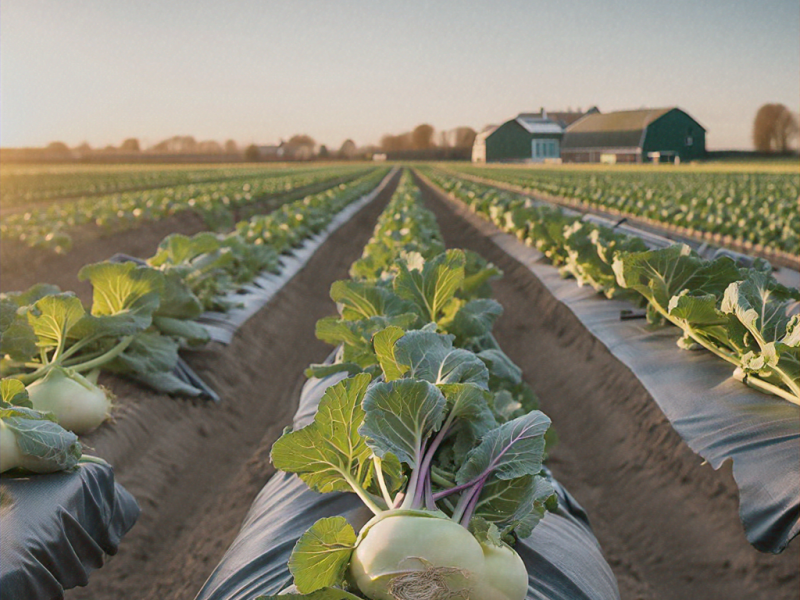
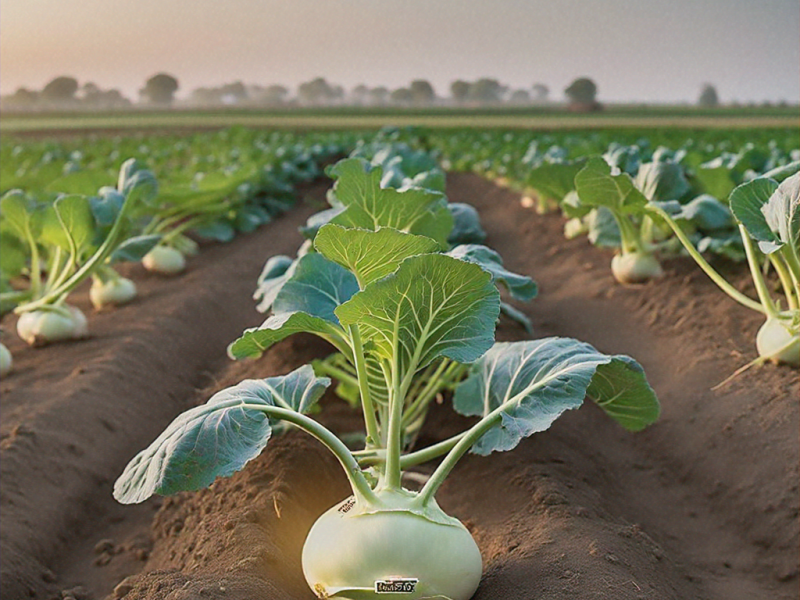
Kohlrabi, scientifically known as Brassica oleracea var. gongylodes, is a member of the cabbage family. It is a unique and distinctive vegetable, characterized by its swollen, turnip-like stem that grows above the ground. Kohlrabi comes in a variety of colors, including green, white, and purple, each with its own distinct flavor and texture profile.
In Asia, several popular kohlrabi varieties have gained recognition for their exceptional qualities. The Japanese Miyashige Kohlrabi, renowned for its tender and juicy flesh, is a popular choice among farmers and chefs. The Chinese Chengdu Kohlrabi, on the other hand, is prized for its sweet and crunchy texture, making it a versatile ingredient in stir-fries and salads.
Hydroponic Cultivation: Unlocking the Potential
Hydroponic cultivation, a soilless growing method that utilizes nutrient-rich water solutions, has become increasingly prevalent in Asia’s agricultural landscape. This innovative approach offers numerous benefits, including increased productivity, reduced water usage, and the ability to grow crops in limited spaces.
When it comes to kohlrabi cultivation, the hydroponic system presents a unique opportunity. By precisely controlling the nutrient and water supply, growers can optimize the growth and development of the plant, resulting in higher yields and improved quality. Additionally, the absence of soil-borne pests and diseases in a hydroponic system can lead to a more consistent and reliable harvest.
Controlled Environment Agriculture (CEA): The Future of Kohlrabi Production
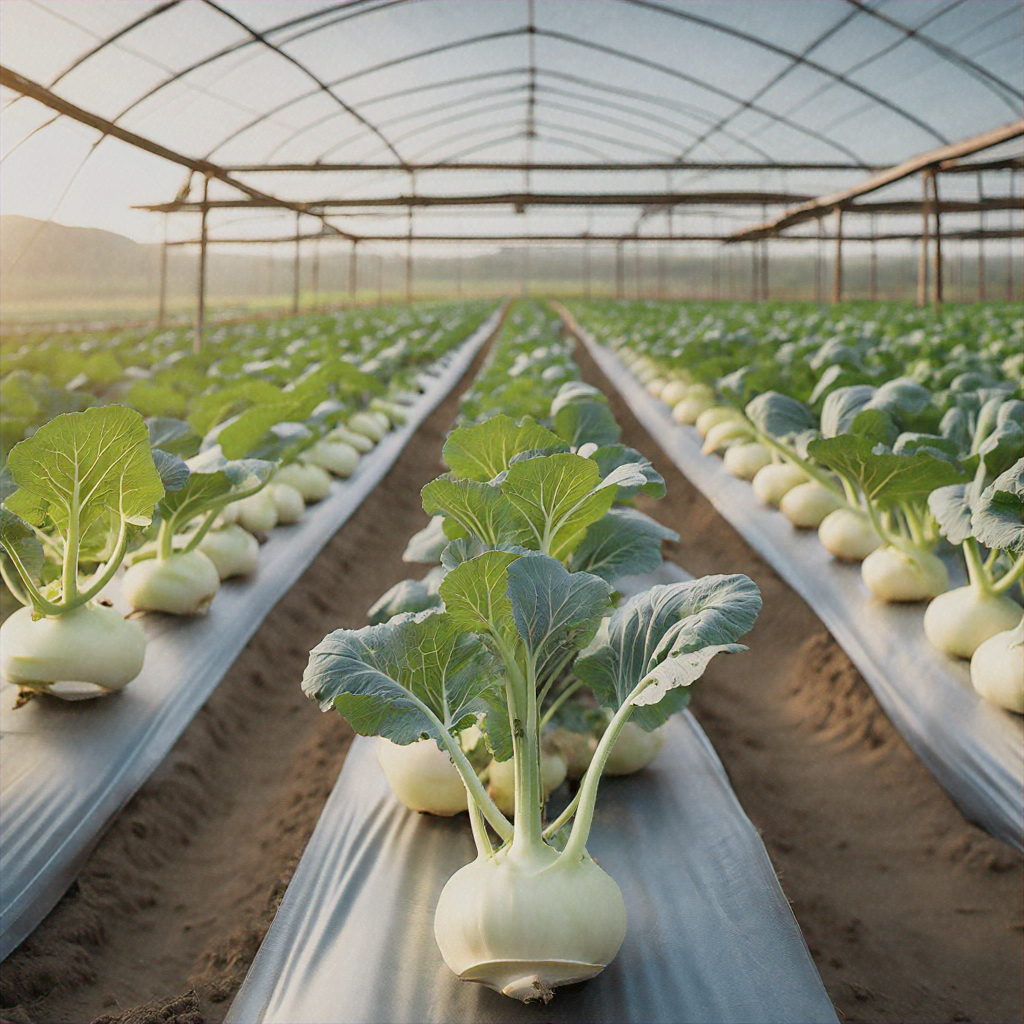
Complementing the advancements in hydroponic cultivation, Controlled Environment Agriculture (CEA) has emerged as a game-changer in the world of kohlrabi production. CEA involves the use of advanced technologies and climate-controlled facilities to create the ideal growing conditions for crops, regardless of external environmental factors.
In the context of kohlrabi cultivation, CEA offers several advantages. By precisely regulating factors such as temperature, humidity, and lighting, growers can optimize the growth and development of the plant, ensuring consistent and high-quality yields throughout the year. Moreover, CEA systems can be designed to be highly efficient in resource utilization, reducing water consumption and minimizing the environmental impact of agricultural practices.
Soil Preparation and Nutrient Management
While hydroponic and CEA systems offer innovative approaches to kohlrabi cultivation, the foundation of successful cultivation lies in proper soil preparation and nutrient management. In traditional soil-based cultivation, kohlrabi thrives in well-drained, nutrient-rich soil with a slightly acidic pH range of 6.0 to 7.0.
To ensure optimal growth and development, it is crucial to amend the soil with organic matter, such as compost or aged manure, before planting. This not only improves soil structure and drainage but also provides a steady supply of essential nutrients for the plant. Additionally, regular application of balanced fertilizers, both during the growing season and at the time of planting, can further enhance the nutrient availability and overall plant health.
Harvest and Post-Harvest Handling
The timing of the kohlrabi harvest is a critical step in the cultivation process. Kohlrabi is typically ready for harvest when the stem, or “bulb,” reaches a diameter of 2 to 4 inches, typically 50 to 60 days after transplanting. To ensure the highest quality, it is recommended to harvest kohlrabi in the morning, when the plants are turgid and the bulbs are firm.
After harvesting, proper post-harvest handling is essential to maintain the freshness and quality of the kohlrabi. This includes gently removing the leaves and roots, washing the bulbs, and storing them in a cool, humid environment. Proper storage conditions, such as refrigeration at temperatures between 32°F and 40°F, can extend the shelf life of kohlrabi for several weeks, ensuring a consistent supply and reduced food waste.
Challenges and Opportunities in Kohlrabi Cultivation
While the potential of kohlrabi cultivation in Asia is undeniable, there are several challenges that growers and researchers must address. One of the primary challenges is the limited awareness and consumer demand for kohlrabi in certain Asian regions, which can hinder the widespread adoption of this versatile vegetable.
To overcome this challenge, educational campaigns and the promotion of kohlrabi’s nutritional benefits and culinary versatility can help to increase consumer interest and demand. Additionally, the development of innovative processing and value-added products, such as kohlrabi chips or fermented kimchi, can further expand the market opportunities for this crop.
Another key consideration is the need for continued research and development in the areas of pest and disease management, as well as the optimization of growing techniques for different climatic conditions and production systems. By addressing these challenges through collaborative efforts between growers, researchers, and policymakers, the full potential of kohlrabi cultivation in Asia can be unlocked, contributing to enhanced food security and the overall well-being of communities.
Conclusion
In the pursuit of sustainable and efficient food production, the cultivation of kohlrabi in Asia holds immense promise. Through the integration of hydroponic and CEA systems, coupled with a deep understanding of soil preparation and nutrient management, growers can unlock the full potential of this versatile vegetable.
As we navigate the complex landscape of agricultural challenges, the success of kohlrabi cultivation can serve as a testament to the transformative power of innovation, collaboration, and a steadfast commitment to improving human welfare. By embracing these advancements and addressing the unique needs of Asian communities, the future of kohlrabi production can pave the way for a more resilient and food-secure Asia.