Doctor Intelligence (Diseases) for Kohlrabi – Nebraska Guide: Step-by-Step & Yield Tips
In the vast and ever-evolving world of agriculture, the humble kohlrabi has carved out a unique niche, captivating the hearts and palates of gardeners and chefs alike. As part of the brassica family, this versatile vegetable thrives in the temperate climate of Nebraska, offering a treasure trove of nutritional benefits and culinary possibilities. In this comprehensive guide, we’ll delve into the intricacies of growing and caring for kohlrabi, with a special focus on identifying and managing common diseases that may afflict this resilient crop.
Understanding Kohlrabi: The Basics
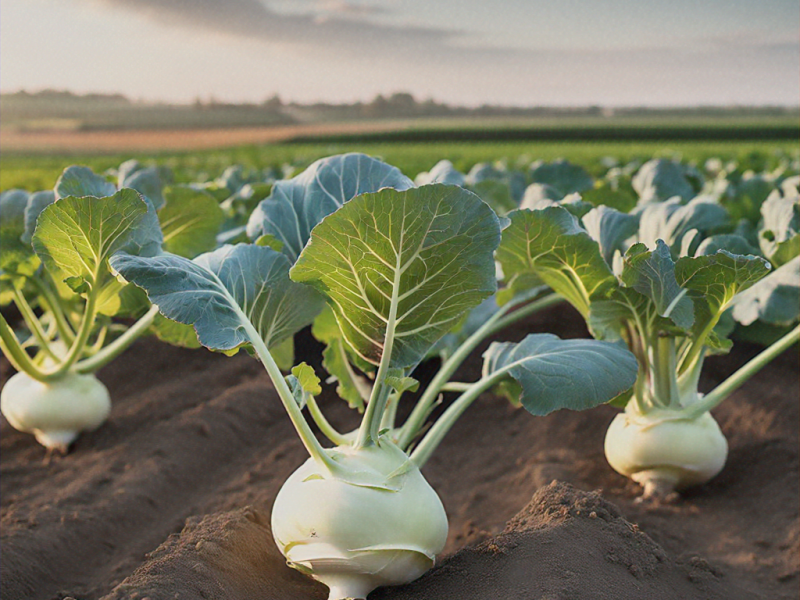
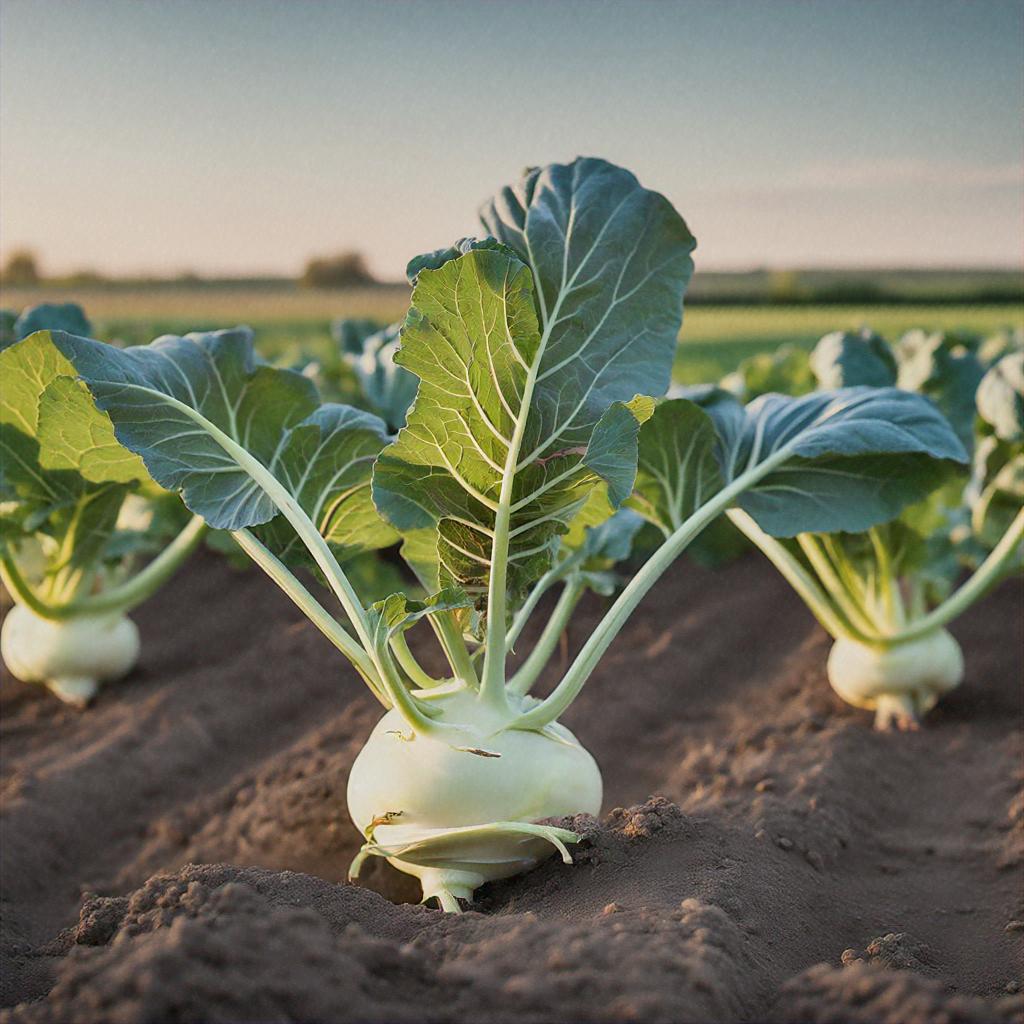
Kohlrabi, scientifically known as Brassica oleracea var. gongylodes, is a member of the cabbage family, but with a distinct appearance. Instead of the familiar leafy head, kohlrabi produces a swollen, turnip-like stem that grows above the ground. This unique characteristic gives the vegetable a distinctive, almost alien-like look, which has earned it the moniker “the alien of the vegetable world.”
Originating from Europe, kohlrabi has become a staple in many culinary traditions, celebrated for its versatility and nutritional profile. Rich in vitamins C and K, as well as fiber and various minerals, kohlrabi offers a crunchy texture and a flavor that can be described as a blend of broccoli and radish.
Cultivating Kohlrabi: A Step-by-Step Guide
Growing kohlrabi in Nebraska’s climate can be a rewarding experience, but it requires careful attention and a solid understanding of the plant’s needs. Follow these step-by-step instructions to ensure a bountiful harvest:
- Site Selection: Choose a location that receives full sun (at least 6 hours of direct sunlight per day) and has well-drained, fertile soil. Kohlrabi thrives in slightly acidic to neutral soil, with a pH range of 6.0 to 7.5.
- Soil Preparation: Amend the soil with compost or well-rotted manure to improve drainage and nutrient content. Kohlrabi prefers a soil rich in organic matter.
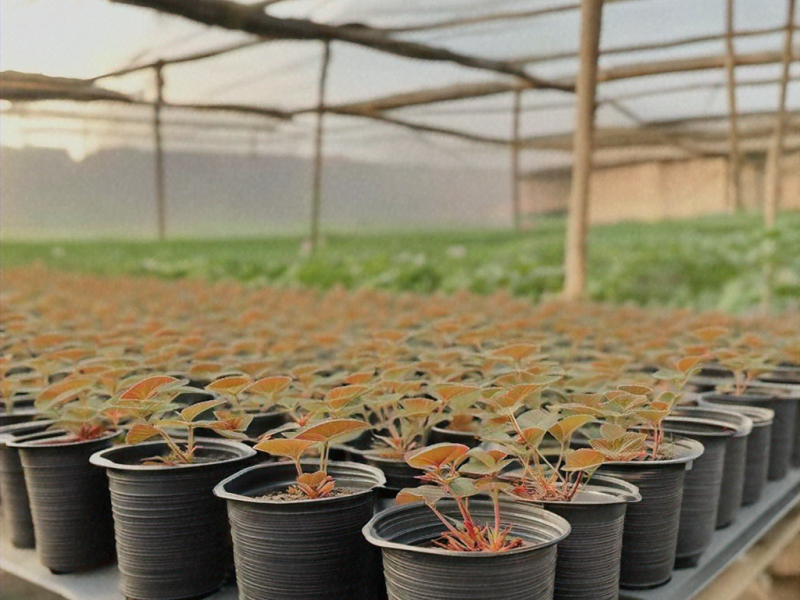
- Planting: Sow seeds directly in the ground, spacing them about 6 to 8 inches apart in rows that are 12 to 18 inches apart. Ensure the seeds are buried about 1/2 inch deep. For an earlier harvest, start seeds indoors 4-6 weeks before the last expected frost date and transplant seedlings into the garden.
- Watering: Keep the soil consistently moist, but not waterlogged. Kohlrabi thrives with about 1 inch of water per week, either from rainfall or irrigation.
- Fertilization: Apply a balanced, slow-release fertilizer at the time of planting, and consider a side-dressing of nitrogen-rich fertilizer during the growing season to maintain optimal growth.
- Harvest: Kohlrabi is ready to harvest when the bulb reaches 2 to 4 inches in diameter, typically 50 to 60 days after sowing. Twist and pull the bulb from the ground, leaving the greens intact for additional use.
Identifying and Managing Kohlrabi Diseases
As with any crop, kohlrabi can be susceptible to various diseases, which can impact both the plant’s health and the quality of the harvest. By being proactive and implementing effective disease management strategies, you can ensure a thriving kohlrabi crop and maximize your yield. Let’s explore some of the common diseases affecting kohlrabi in Nebraska and the steps you can take to mitigate them.
1. Clubroot
Clubroot is a soil-borne fungal disease caused by the pathogen Plasmodiophora brassicae. It affects the roots of kohlrabi, causing them to develop swollen, misshapen, and club-like growths. This can severely impair the plant’s ability to absorb water and nutrients, leading to stunted growth, wilting, and eventual plant death.
- Symptoms: Misshapen, swollen, and club-like roots; stunted growth; wilting leaves.
- Management: Improve soil drainage, incorporate lime to increase soil pH, practice crop rotation, and use resistant varieties when available.
2. Black Rot
Black rot, caused by the bacterium Xanthomonas campestris, is a devastating disease that can affect the leaves, stems, and even the bulbs of kohlrabi. It causes discoloration, wilting, and eventual decay of the affected plant parts.
- Symptoms: V-shaped, yellowing lesions on leaves; black, rotting stem and bulb tissues.
- Management: Practice crop rotation, use disease-resistant varieties, and maintain good sanitation by removing and destroying affected plant materials.
3. Powdery Mildew
Powdery mildew is a common fungal disease that can affect kohlrabi, particularly during periods of high humidity and moderate temperatures. It manifests as a white, powdery growth on the leaves, stems, and even the bulbs, inhibiting the plant’s ability to photosynthesize and grow.
- Symptoms: White, powdery growth on leaves, stems, and bulbs; stunted growth; yellowing and wilting of leaves.
- Management: Improve air circulation, use disease-resistant varieties, and apply appropriate fungicides if the infestation is severe.
4. Alternaria Leaf Spot
Alternaria leaf spot, caused by the fungus Alternaria brassicae, is a common foliar disease that can affect kohlrabi. It manifests as dark, circular spots on the leaves, which can eventually coalesce and lead to significant leaf loss.
- Symptoms: Dark, circular spots on leaves; leaf yellowing and shedding.
- Management: Implement crop rotation, use disease-resistant varieties, and consider the application of fungicides if the disease becomes severe.
5. Bacterial Soft Rot
Bacterial soft rot, caused by the bacterium Erwinia carotovora, can affect the kohlrabi bulb, leading to a rapid and unsightly decay. This disease is often exacerbated by mechanical damage, insect infestations, or high humidity levels.
- Symptoms: Soft, mushy, and foul-smelling bulb tissues; rapid decay and collapse of the affected plant parts.
- Management: Avoid mechanical damage, maintain good sanitation, and provide adequate air circulation around the plants.
Maximizing Kohlrabi Yield: Tips and Tricks
To ensure a bountiful kohlrabi harvest, consider the following tips and tricks:
- Succession Planting: Sow kohlrabi seeds every 2-3 weeks to extend the harvest season and enjoy a continuous supply of this delectable vegetable.
- Mulching: Apply a 2-3 inch layer of organic mulch, such as straw or shredded leaves, around the base of the plants. This helps retain moisture, suppress weeds, and maintain a consistent soil temperature.
- Timely Thinning: Once the seedlings have germinated, thin them out to the recommended spacing, ensuring each plant has ample room to develop its characteristic bulb.
- Proper Harvesting: Harvest kohlrabi when the bulbs are 2-4 inches in diameter, twist, and pull them gently from the ground. Leaving the greens intact can extend the shelf life of the harvested bulbs.
- Storage and Preservation: Kohlrabi can be stored in the refrigerator for up to 2 weeks. For longer-term storage, consider canning, freezing, or dehydrating the bulbs to extend their shelf life and enjoy the bounty of your harvest throughout the year.
Embracing the Kohlrabi Harvest: A Culinary Adventure
With a successful kohlrabi crop in hand, the culinary possibilities are endless. This versatile vegetable can be enjoyed in a variety of ways, from raw and crunchy in salads to roasted, sautéed, or even pickled. Kohlrabi’s unique flavor profile and texture make it a delightful addition to soups, stews, and even as a substitute for potatoes in certain dishes.
Embracing the kohlrabi harvest is a celebration of the connection between agriculture and human welfare. By growing and enjoying this nutritious and flavorful vegetable, you not only nourish your body but also contribute to a more sustainable and resilient food system. So, embrace the alien-like charm of kohlrabi, and let its delicious bounty grace your table and enrich your culinary adventures.