Kohlrabi Cultivation in California (USA): Doctor Intelligence (Diseases) – Varieties, Soil & Harvest
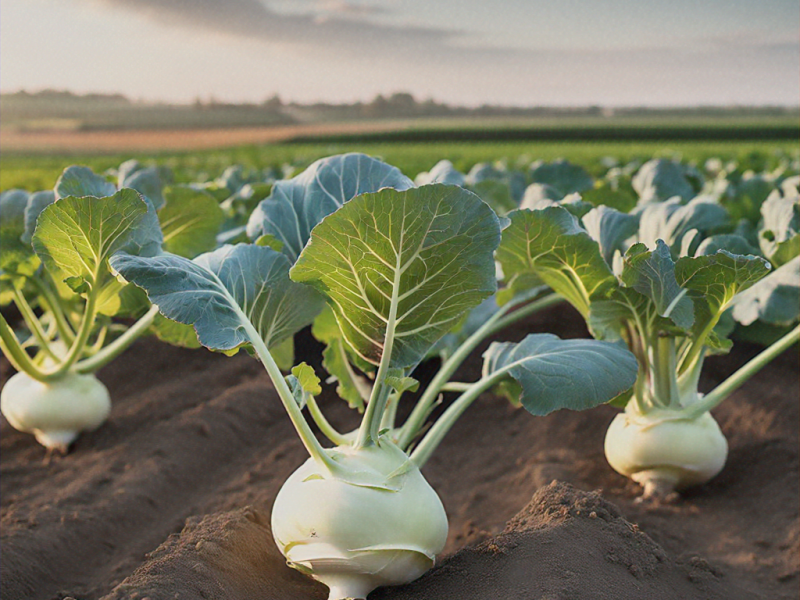
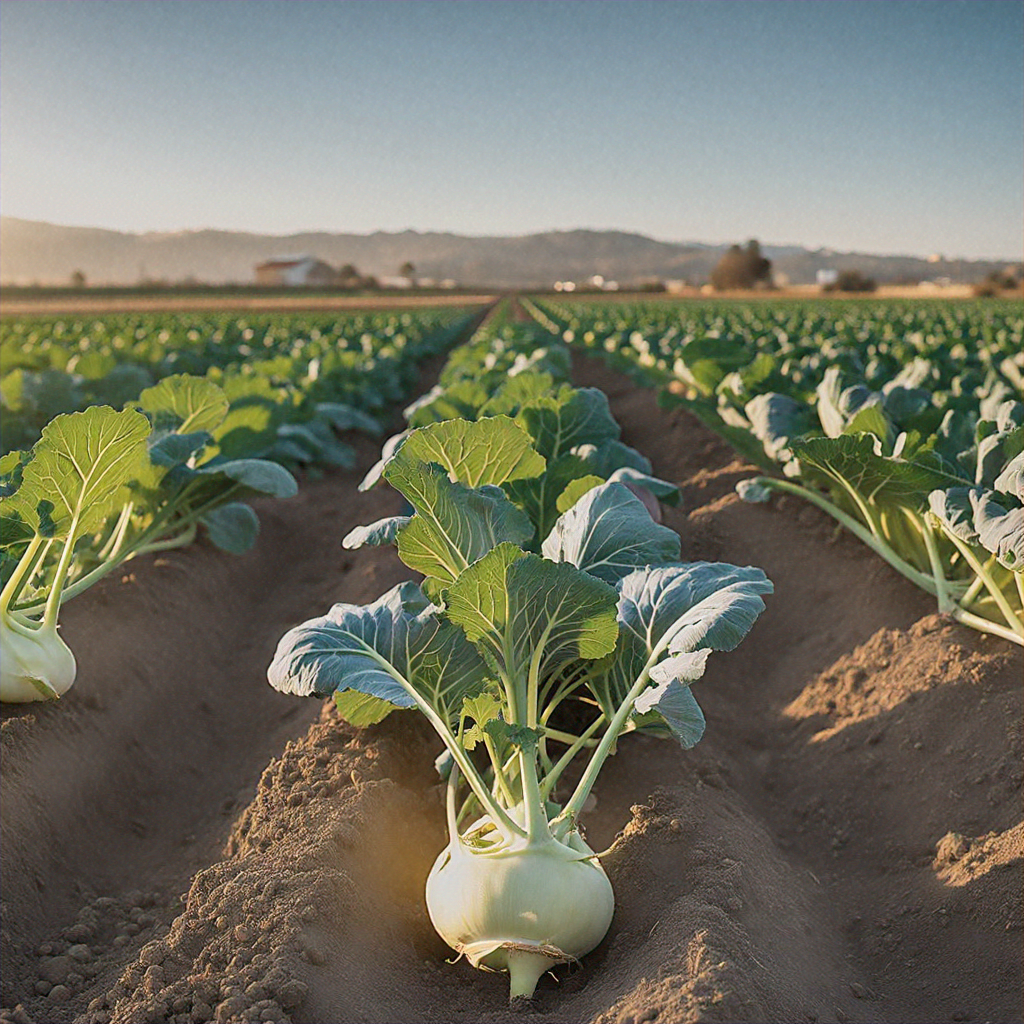
In the vibrant agricultural landscape of California, USA, the cultivation of kohlrabi, a unique member of the brassica family, has been steadily gaining prominence. This versatile vegetable, often referred to as “German turnip,” has captured the attention of farmers, gardeners, and culinary enthusiasts alike, thanks to its versatility, nutritional benefits, and resilience in the face of various challenges. In this comprehensive blog post, we will delve into the intricacies of kohlrabi cultivation in California, exploring the different varieties, optimal soil conditions, and strategies for addressing common diseases that may arise during the growing process.
Varieties of Kohlrabi Thriving in California
California’s diverse climatic conditions and fertile soil provide an ideal environment for a range of kohlrabi varieties to flourish. Some of the most popular and successful cultivars include:
- Early White Vienna: A classic variety known for its rapid growth and tender, mild-flavored bulbs that are best harvested when small.
- Purple Vienna: This vibrant, purple-skinned variety adds a striking visual element to any dish, while maintaining a similar flavor profile to the Early White Vienna.
- Superschmelz: A German-bred variety that produces large, tender bulbs with a slightly sweeter taste, making it a favorite among many California growers.
- Kossak: A high-yielding variety that can reach impressive sizes without compromising texture or flavor, making it a popular choice for commercial and home gardeners alike.
When selecting the right kohlrabi variety for your California farm or garden, it’s essential to consider factors such as maturity time, bulb size, and adaptability to local climatic conditions. Consulting with local agricultural extension services or experienced growers can help you make an informed decision that aligns with your specific cultivation goals.
Optimal Soil Conditions for Kohlrabi in California
Kohlrabi thrives in well-drained, nutrient-rich soil that is slightly acidic, with a pH range of 6.0 to 7.0. California’s diverse soil types, ranging from the fertile Central Valley to the coastal regions, provide ample opportunities for successful kohlrabi cultivation, provided that the right soil preparation and amendments are implemented.
Before planting, it’s essential to ensure that the soil is loose and free of compaction, which can hinder the growth of the kohlrabi bulbs. Incorporating organic matter, such as compost or well-rotted manure, can enhance soil structure, improve drainage, and provide essential nutrients for the plants. Regular soil testing can help growers identify any nutrient deficiencies or imbalances, allowing them to make targeted amendments to optimize the soil conditions for optimal kohlrabi growth.
In addition to soil preparation, proper irrigation management is crucial for kohlrabi cultivation in California’s Mediterranean climate. Kohlrabi requires consistent moisture, particularly during the critical bulb formation stage, to prevent issues like cracking or deformation. Drip irrigation or careful overhead watering can help maintain the ideal soil moisture levels and support the overall health and development of the crop.
Addressing Common Kohlrabi Diseases in California
As with any crop, kohlrabi in California is susceptible to various diseases that can impact its yield, quality, and overall plant health. By understanding the common diseases affecting kohlrabi and implementing proactive management strategies, growers can mitigate the risks and ensure a successful harvest. Here are some of the key diseases to watch out for and how to address them:
1. Clubroot (Plasmodiophora brassicae)
Clubroot is a soil-borne disease that can cause deformation and swelling of the kohlrabi roots, ultimately leading to stunted growth and reduced yields. To manage clubroot, growers should practice crop rotation, incorporate lime to raise the soil pH, and consider using resistant cultivars when available.
2. Black Rot (Xanthomonas campestris)
Black rot is a bacterial disease that can cause yellowing and wilting of the leaves, as well as the development of dark, V-shaped lesions on the leaves and bulbs. Proper sanitation, crop rotation, and the use of disease-resistant varieties can help mitigate the impact of black rot.
3. Alternaria Leaf Spot (Alternaria spp.)
Alternaria leaf spot is a fungal disease that can cause circular, brown spots on the leaves, leading to premature defoliation and reduced photosynthesis. Applying fungicides at the first signs of the disease, along with maintaining good air circulation and avoiding overhead irrigation, can help control Alternaria leaf spot.
4. Powdery Mildew (Erysiphe cruciferarum)
Powdery mildew is a fungal disease that presents as a white, powdery growth on the leaves and stems of kohlrabi plants. Promoting air circulation, using resistant cultivars, and applying targeted fungicides can help manage this disease effectively.
To combat these and other kohlrabi diseases, California growers should adopt an integrated pest management (IPM) approach, which combines cultural, biological, and chemical control methods. Regular scouting, maintaining proper sanitation, and implementing preventive measures can go a long way in mitigating the impact of diseases on kohlrabi crops.
Harvesting and Post-Harvest Handling of Kohlrabi in California
Timely harvesting is crucial for ensuring the best quality and flavor of kohlrabi. In California, the ideal harvest time is when the bulbs are approximately 2-4 inches in diameter, typically 50-60 days after planting. Kohlrabi can be harvested by gently pulling or cutting the plants at the soil line, taking care to avoid damaging the bulbs.
After harvesting, it’s essential to handle the kohlrabi with care to maintain its freshness and prevent spoilage. Proper post-harvest handling includes:
- Removing the leaves and any soil or debris from the bulbs
- Storing the kohlrabi in a cool, well-ventilated area or refrigerator at temperatures between 32-40°F (0-4°C)
- Maintaining high humidity levels (95-100%) to prevent the bulbs from drying out
- Avoiding the storage of kohlrabi with ethylene-producing fruits or vegetables, as this can accelerate the aging process
By following these best practices, California growers can ensure that their kohlrabi harvest remains fresh, crisp, and ready for immediate consumption or further processing, such as pickling, roasting, or incorporating into various culinary creations.
Conclusion
The cultivation of kohlrabi in California has become an increasingly valuable and rewarding endeavor for farmers, gardeners, and culinary enthusiasts alike. By understanding the unique requirements of this versatile vegetable, including optimal soil conditions, disease management strategies, and proper harvesting and post-harvest handling, California growers can unlock the full potential of kohlrabi and contribute to the state’s dynamic agricultural landscape. Whether you’re a seasoned farmer or a passionate home gardener, incorporating kohlrabi into your cultivation practices can not only diversify your crop selection but also offer a delicious and nutritious addition to your table.