Haryana Kohlrabi Farming – Doctor Intelligence (Diseases): Ultimate Guide & Expert Advice
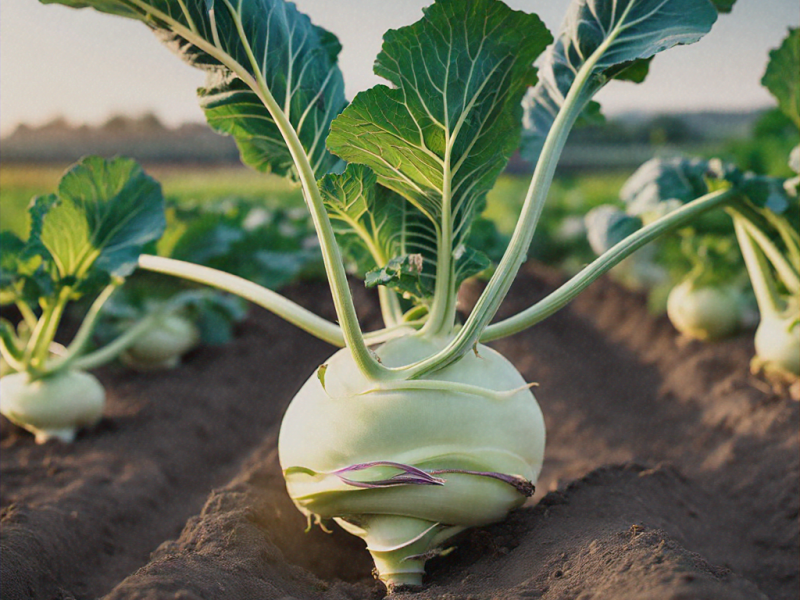
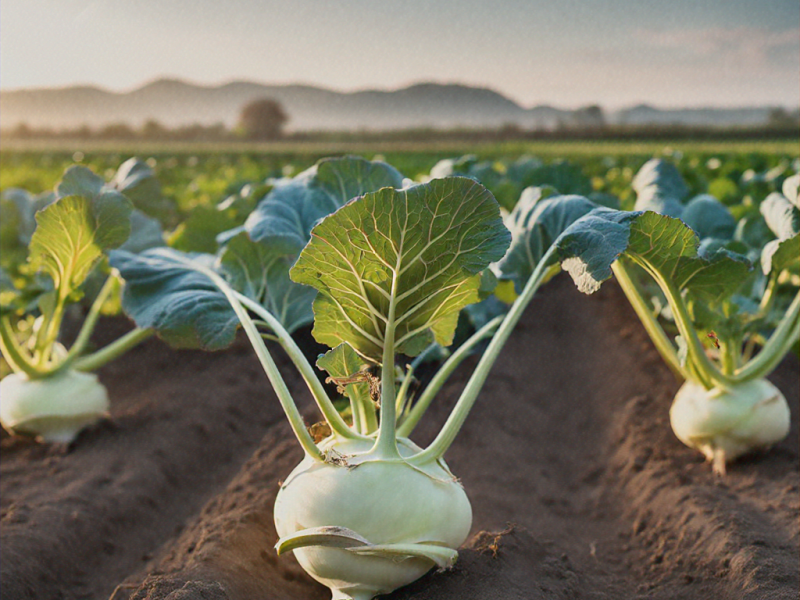
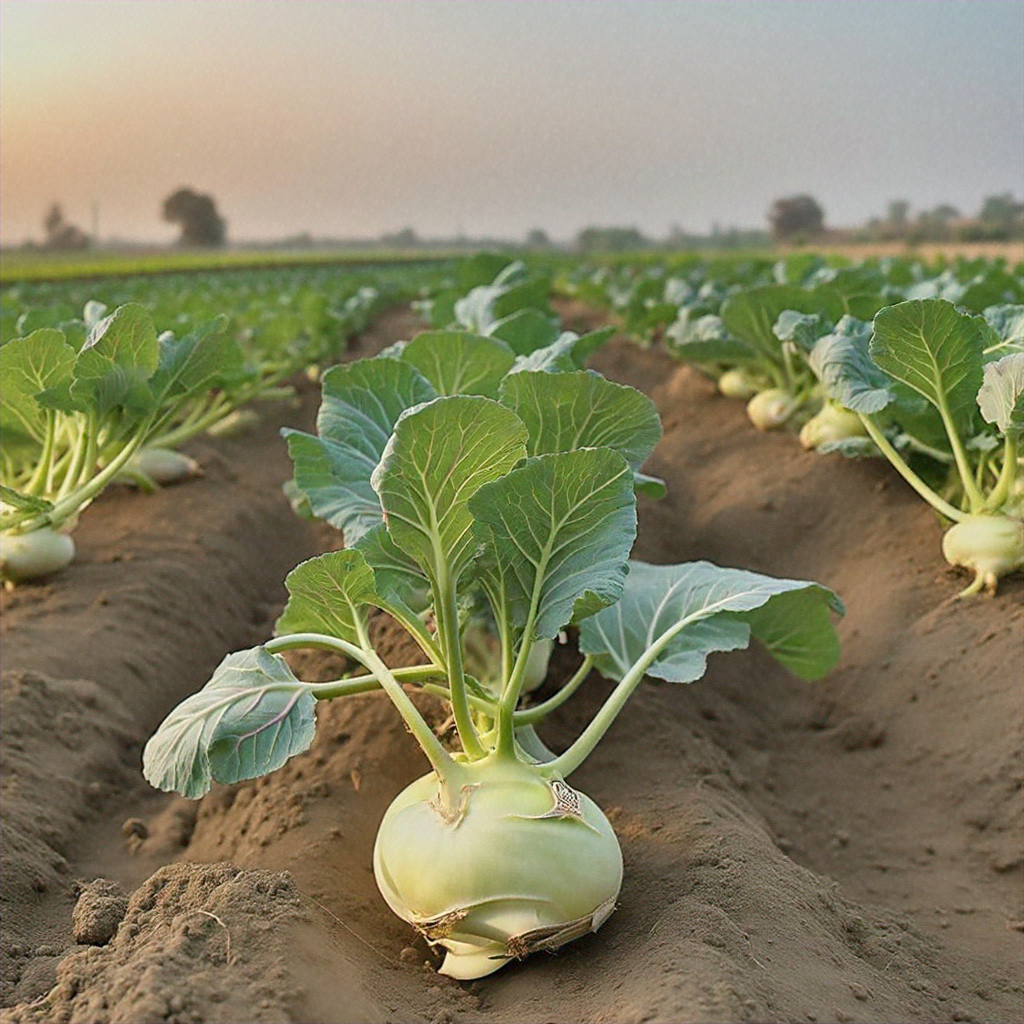
In the heart of India, the state of Haryana is home to a thriving agricultural landscape, where farmers have long embraced the cultivation of a versatile and nutrient-rich vegetable – the kohlrabi. This unique member of the cabbage family has gained increasing popularity in recent years, not only for its culinary versatility but also for its potential to enhance human welfare through sustainable farming practices.
Kohlrabi, often referred to as the “turnip-cabbage,” is a fascinating vegetable that boasts a range of health benefits. Rich in vitamins, minerals, and antioxidants, kohlrabi has been shown to support cardiovascular health, aid digestion, and even potentially reduce the risk of certain types of cancer. As the demand for nutritious, locally-grown produce continues to rise, the importance of understanding the challenges and best practices of kohlrabi farming in Haryana has become increasingly crucial.
In this comprehensive guide, we delve into the world of Haryana’s kohlrabi farming, exploring the common diseases that can affect this crop and the expert advice that can help farmers overcome these challenges. By understanding the intricate web of factors that influence the health and productivity of kohlrabi, we aim to empower farmers to make informed decisions and, ultimately, contribute to the overall well-being of their communities.
Understanding the Challenges: Common Diseases in Haryana Kohlrabi Farming
Kohlrabi, like many other agricultural crops, is susceptible to a range of diseases that can threaten the health and yield of the crop. In the context of Haryana’s kohlrabi farming, several diseases have been identified as particularly prevalent and problematic. Let’s explore some of the most common diseases and the strategies that can be employed to mitigate their impact.
1. Black Rot (Xanthomonas campestris pv. campestris)
Black rot is a bacterial disease that can severely affect the leaves and stems of kohlrabi plants. Characterized by the development of V-shaped, blackened lesions on the leaves, this disease can quickly spread and compromise the plant’s overall health and productivity.
- Causes: The disease is caused by the bacterium Xanthomonas campestris pv. campestris, which can survive in infected plant debris and contaminated soil.
- Symptoms: Yellowing and wilting of leaves, followed by the appearance of V-shaped, blackened lesions.
- Management Strategies: Practicing crop rotation, using disease-resistant cultivars, and implementing proper sanitation practices can help control the spread of black rot.
2. Downy Mildew (Hyaloperonospora brassicae)
Downy mildew is a fungal disease that can affect the leaves and stems of kohlrabi plants, causing significant damage and reduced yields.
- Causes: The disease is caused by the fungus Hyaloperonospora brassicae, which thrives in cool, humid conditions.
- Symptoms: Yellowing and wilting of leaves, with the appearance of a downy, grayish-purple growth on the underside of the leaves.
- Management Strategies: Promoting good air circulation, using resistant cultivars, and applying appropriate fungicides can help control downy mildew.
3. Alternaria Leaf Spot (Alternaria brassicae)
Alternaria leaf spot is a fungal disease that can affect the leaves and stems of kohlrabi plants, causing unsightly lesions and potentially compromising the plant’s overall health.
- Causes: The disease is caused by the fungus Alternaria brassicae, which can survive on infected plant debris and seed.
- Symptoms: The appearance of small, circular, dark-colored lesions on the leaves, which can eventually coalesce and cause significant damage.
- Management Strategies: Crop rotation, proper sanitization, and the use of fungicides can help control Alternaria leaf spot.
4. Clubroot (Plasmodiophora brassicae)
Clubroot is a soil-borne disease that can affect the roots of kohlrabi plants, leading to the formation of galls and stunted growth.
- Causes: The disease is caused by the soil-borne pathogen Plasmodiophora brassicae, which can persist in the soil for several years.
- Symptoms: The development of swollen, club-shaped roots, which can restrict the plant’s ability to absorb water and nutrients.
- Management Strategies: Liming the soil, using resistant cultivars, and implementing proper crop rotation can help manage clubroot.
Expert Advice: Strategies for Effective Disease Management in Haryana Kohlrabi Farming
Navigating the challenges of disease management in Haryana’s kohlrabi farming can be a daunting task, but with the right strategies and expert guidance, farmers can successfully mitigate the impact of these diseases and ensure the long-term health and productivity of their crops.
1. Integrated Pest Management (IPM)
Integrated Pest Management (IPM) is a holistic approach to disease management that combines various cultural, biological, and chemical control methods. By implementing IPM, farmers can reduce the reliance on synthetic pesticides, promote the overall health of their crops, and minimize the environmental impact of their farming practices.
- Cultural Practices: Adopting practices such as crop rotation, proper sanitation, and the use of disease-resistant cultivars can help create an environment that is less conducive to the proliferation of diseases.
- Biological Control: Leveraging the power of beneficial microorganisms, such as antagonistic fungi and bacteria, can help suppress the growth and spread of disease-causing pathogens.
- Chemical Control: In cases where chemical intervention is necessary, the strategic and judicious use of approved fungicides can help manage disease outbreaks, while minimizing the impact on the surrounding ecosystem.
2. Soil Health Management
Maintaining the health and fertility of the soil is crucial for the successful cultivation of kohlrabi and the prevention of disease outbreaks. Farmers in Haryana can employ various strategies to improve soil health and create a thriving environment for their crops.
- Organic Matter Addition: Incorporating organic matter, such as compost or well-rotted manure, can enhance soil structure, improve water-holding capacity, and promote the presence of beneficial soil microorganisms.
- Nutrient Management: Ensuring a balanced and adequate supply of essential nutrients, through the use of organic or inorganic fertilizers, can help strengthen the plant’s natural defenses against diseases.
- Soil Testing: Regular soil testing can help identify any nutrient deficiencies or imbalances, allowing farmers to make informed decisions about their fertilization and soil management practices.
3. Cultivar Selection
The choice of kohlrabi cultivar can play a significant role in the plant’s resistance to diseases. Farmers in Haryana should explore and select cultivars that have been bred or developed for their disease resistance and adaptability to the local growing conditions.
- Disease-Resistant Cultivars: Opting for kohlrabi cultivars that have demonstrated resistance to common diseases, such as black rot, downy mildew, and Alternaria leaf spot, can greatly enhance the crop’s resilience and reduce the need for extensive disease management interventions.
- Adaptability to Local Conditions: Selecting cultivars that are well-suited to the climatic and soil conditions of Haryana can help ensure the overall health and productivity of the kohlrabi crop.
<
h2>4. Continuous Monitoring and Early Intervention
Vigilant monitoring and early detection of disease symptoms are crucial for effectively managing diseases in Haryana’s kohlrabi farming. By regularly inspecting their crops and promptly addressing any emerging issues, farmers can prevent the escalation of disease outbreaks and minimize the impact on their yields.
- Regular Crop Inspections: Allocating time to carefully examine the kohlrabi plants, looking for any signs of disease, can help farmers identify problems early and implement appropriate control measures.
- Diagnostic Tools: Utilizing diagnostic tools, such as field kits or laboratory tests, can help farmers accurately identify the specific pathogens affecting their crops, allowing for targeted and effective disease management strategies.
- Timely Intervention: When disease symptoms are detected, prompt action, such as the application of organic or synthetic fungicides, can help to contain the spread and minimize the overall damage to the crop.
Conclusion
Harnessing the power of Doctor Intelligence (Diseases) can be a game-changer for Haryana’s kohlrabi farmers. By understanding the common diseases that affect this crop and implementing comprehensive disease management strategies, farmers can not only safeguard their yields but also contribute to the overall well-being of their communities.
As the demand for nutritious, locally-grown produce continues to rise, the importance of sustainable and disease-resilient kohlrabi farming in Haryana cannot be overstated. By embracing the expert advice and strategies outlined in this guide, farmers can position themselves as leaders in the field, ensuring the long-term success and viability of their kohlrabi operations.
Remember, the key to thriving kohlrabi farming in Haryana lies in a holistic, science-based approach that prioritizes disease prevention, soil health, and the selection of resilient cultivars. By working in harmony with the land and leveraging the latest advancements in agricultural science, Haryana’s kohlrabi farmers can contribute to a future where healthy, sustainable, and abundant food production is the norm.