Haryana Kohlrabi Farming – Doctor Intelligence (Diseases): Ultimate Guide & Expert Advice
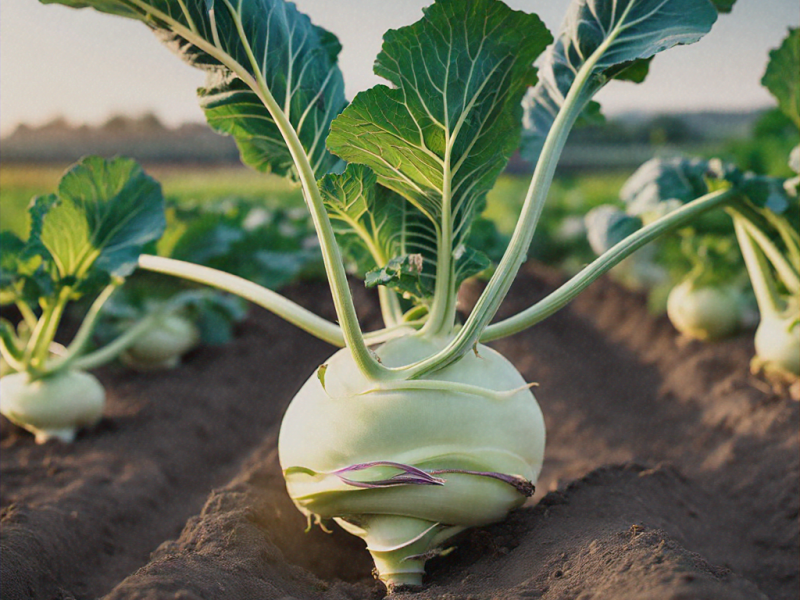
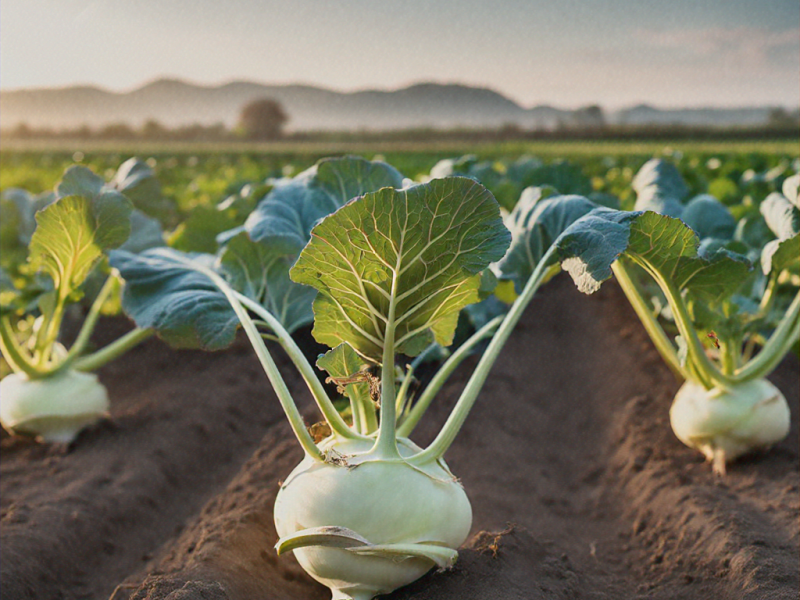
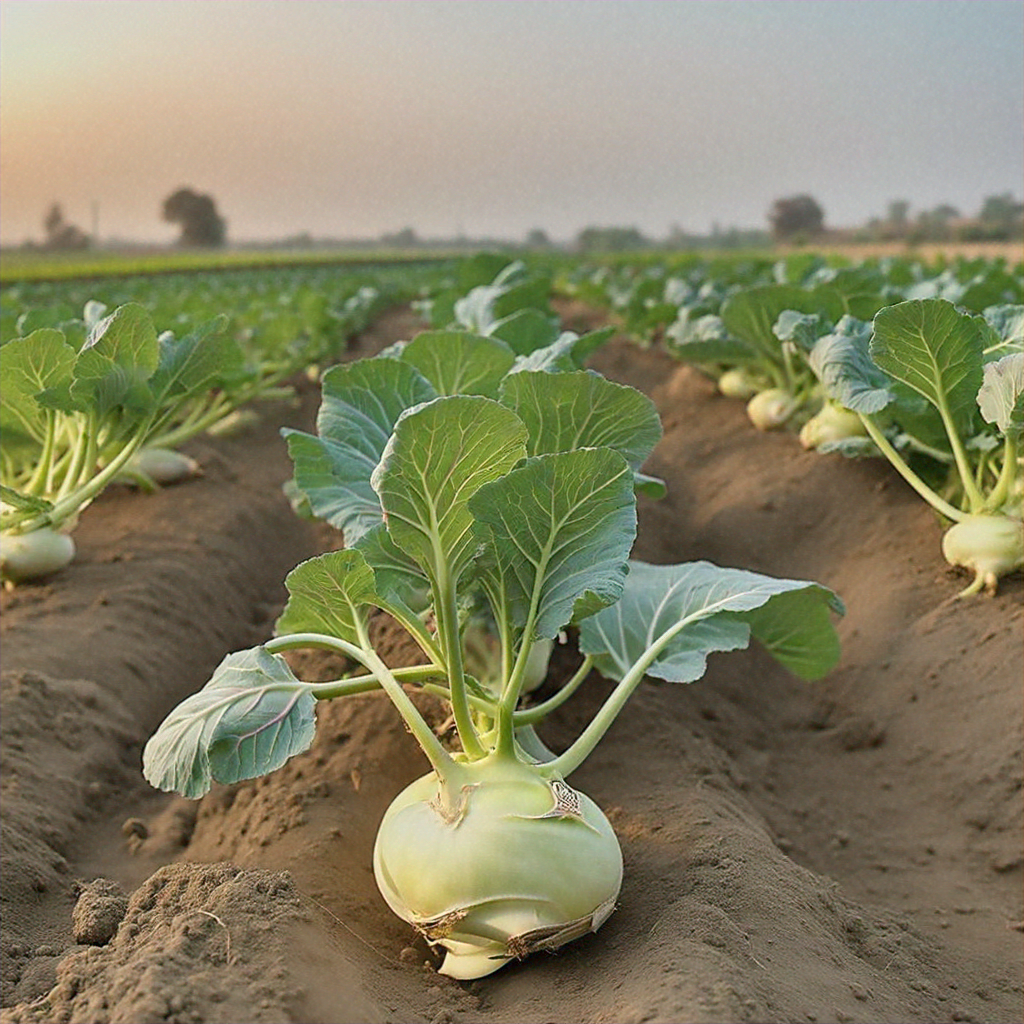
In the ever-evolving landscape of agriculture, Haryana’s kohlrabi farming has emerged as a strategic focal point, offering both economic opportunities and challenges. As a versatile member of the cabbage family, kohlrabi has gained significant traction among farmers and consumers alike, thanks to its unique flavor, nutritional profile, and adaptability to diverse climatic conditions. However, the success of kohlrabi cultivation is often hindered by the emergence of various diseases, which can significantly impact crop yields and quality. In this comprehensive guide, we delve into the world of kohlrabi farming, with a specific emphasis on understanding and managing the common diseases that affect this crop in the Haryana region.
Understanding Kohlrabi Diseases in Haryana
Kohlrabi, like any other agricultural crop, is susceptible to a range of diseases that can threaten its health and productivity. In the Haryana region, farmers often encounter a diverse array of pathogenic challenges, each requiring a tailored approach to prevention and management. Let’s explore some of the most common kohlrabi diseases and their characteristics:
- Clubroot: A soil-borne disease caused by the pathogen Plasmodiophora brassicae, clubroot can lead to the development of swollen, club-shaped roots, ultimately hindering the plant’s ability to absorb water and nutrients effectively.
- Black Rot: Caused by the bacterium Xanthomonas campestris, black rot is characterized by the appearance of dark, V-shaped lesions on the leaves, along with the eventual wilting and decay of the entire plant.
- Alternaria Leaf Spot: This fungal disease, caused by Alternaria brassicae, manifests as circular, brown-colored spots on the leaves, which can eventually coalesce, leading to leaf necrosis and premature defoliation.
- Downy Mildew: A disease caused by the oomycete Hyaloperonospora parasitica, downy mildew is marked by the appearance of grayish-purple fungal growth on the underside of the leaves, resulting in yellowing, wilting, and potential plant death.
- Powdery Mildew: Caused by the fungus Erysiphe cruciferarum, powdery mildew is characterized by a white, powdery growth on the leaves, which can lead to stunted growth and reduced yields.
Understanding the unique characteristics and causal agents of these diseases is crucial for developing effective management strategies and maintaining the overall health and productivity of kohlrabi crops in Haryana.
Implementing Comprehensive Disease Management Strategies
Effective disease management in kohlrabi farming is a multi-faceted approach that encompasses a range of preventive and curative measures. By adopting a holistic strategy, farmers in Haryana can minimize the impact of disease outbreaks and ensure the long-term sustainability of their kohlrabi operations. Let’s explore the key components of a comprehensive disease management plan:
Preventive Measures
Proactive disease prevention is the cornerstone of successful kohlrabi farming in Haryana. By implementing the following strategies, farmers can significantly reduce the risk of disease outbreaks and maintain the overall health of their crops:
- Crop Rotation: Rotating kohlrabi with non-brassica crops can help break the disease cycle and limit the buildup of pathogenic organisms in the soil.
- Seed Selection and Treatment: Choosing high-quality, disease-resistant kohlrabi cultivars and treating seeds with appropriate fungicides can help prevent the introduction of pathogens into the growing environment.
- Soil Management: Maintaining optimal soil pH, drainage, and organic matter content can enhance the overall vigor and disease resistance of kohlrabi plants.
- Sanitation and Hygiene: Regularly cleaning and disinfecting farming equipment, as well as promptly removing and disposing of diseased plant materials, can help mitigate the spread of pathogens.
- Optimal Irrigation and Fertilization: Carefully managing water and nutrient inputs can help ensure the optimal growth and resilience of kohlrabi plants, making them less susceptible to disease outbreaks.
Curative Measures
Despite the implementation of preventive measures, disease outbreaks may still occur. In such cases, farmers in Haryana need to be equipped with the knowledge and tools to effectively manage and control the spread of diseases. This includes:
- Early Detection and Diagnosis: Regularly monitoring kohlrabi crops for signs of disease and promptly identifying the causal agents is crucial for the timely implementation of curative measures.
- Targeted Fungicide and Bactericide Application: Judiciously applying approved fungicides and bactericides can help control the spread of fungal and bacterial diseases, respectively.
- Biological Control Agents: Introducing beneficial microorganisms, such as antagonistic fungi or bacteria, can help suppress the growth and proliferation of pathogenic organisms.
- Crop Removal and Destruction: In severe cases, the prompt removal and destruction of heavily infected plants can help prevent the further spread of diseases within the kohlrabi cultivation area.
- Integrated Pest Management (IPM): Adopting a comprehensive IPM approach that combines cultural, biological, and chemical control methods can provide a more holistic and sustainable solution to disease management.
Leveraging Expert Advice and Resources
Navigating the complexities of kohlrabi disease management in Haryana can be a daunting task for farmers. However, they can leverage the expertise and resources available through various channels to enhance their decision-making and improve the overall health and productivity of their crops. Some key resources include:
- Extension Services: Engaging with agricultural extension officers and specialists can provide farmers with up-to-date information, tailored recommendations, and hands-on support for disease management.
- Research Institutions and Universities: Collaborating with local research institutions and universities can give farmers access to the latest scientific findings, innovative technologies, and expert guidance on disease control strategies.
- Farmer Cooperatives and Associations: Joining farmer cooperatives or associations can facilitate the sharing of knowledge, experiences, and best practices among peers, fostering a collaborative approach to disease management.
- Digital Resources and Platforms: Leveraging digital platforms, such as mobile apps, online forums, and informative websites, can provide farmers with real-time disease monitoring, diagnosis, and management recommendations.
Conclusion
Haryana’s kohlrabi farming industry faces a multifaceted challenge when it comes to managing the various diseases that can impact crop health and productivity. By understanding the key disease threats, implementing comprehensive prevention and control measures, and leveraging expert advice and resources, farmers in the region can significantly enhance the resilience and sustainability of their kohlrabi operations. Through a well-rounded approach to disease management, Haryana’s kohlrabi farmers can not only safeguard their livelihoods but also contribute to the overall welfare and food security of the region. As the agricultural landscape continues to evolve, this guide serves as a valuable resource for empowering Haryana’s kohlrabi farmers to navigate the complexities of disease management and unlock the full potential of this versatile and nutritious crop.