Kohlrabi Cultivation in the United States: Doctor Intelligence (Diseases) – Varieties, Soil & Harvest
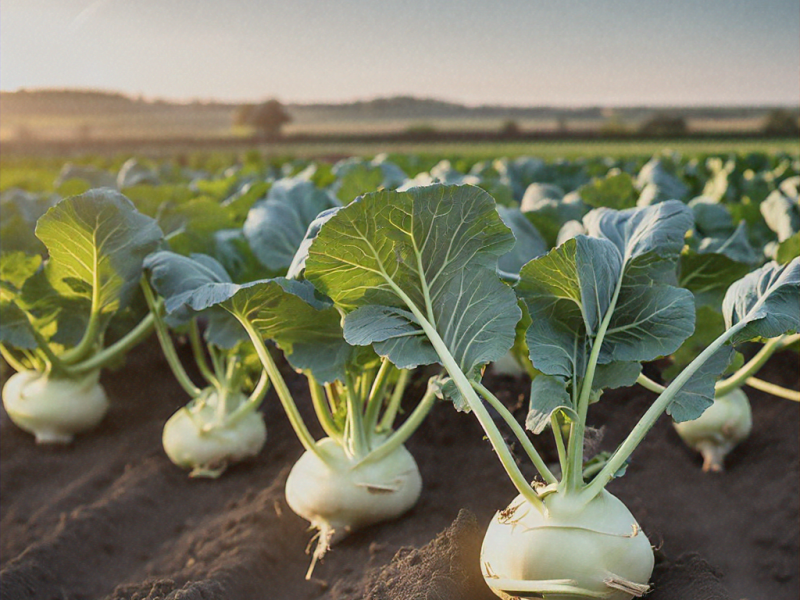
As the world grapples with the challenges of food security and sustainable agriculture, the humble kohlrabi has emerged as a standout crop with immense potential. In the United States, this versatile member of the cabbage family has been gaining traction, offering a unique blend of nutritional benefits and culinary versatility. In this comprehensive blog post, we delve into the intricate world of kohlrabi cultivation, exploring the key factors that contribute to its successful growth and the strategies for mitigating common diseases.
Kohlrabi Varieties: Unlocking the Diversity
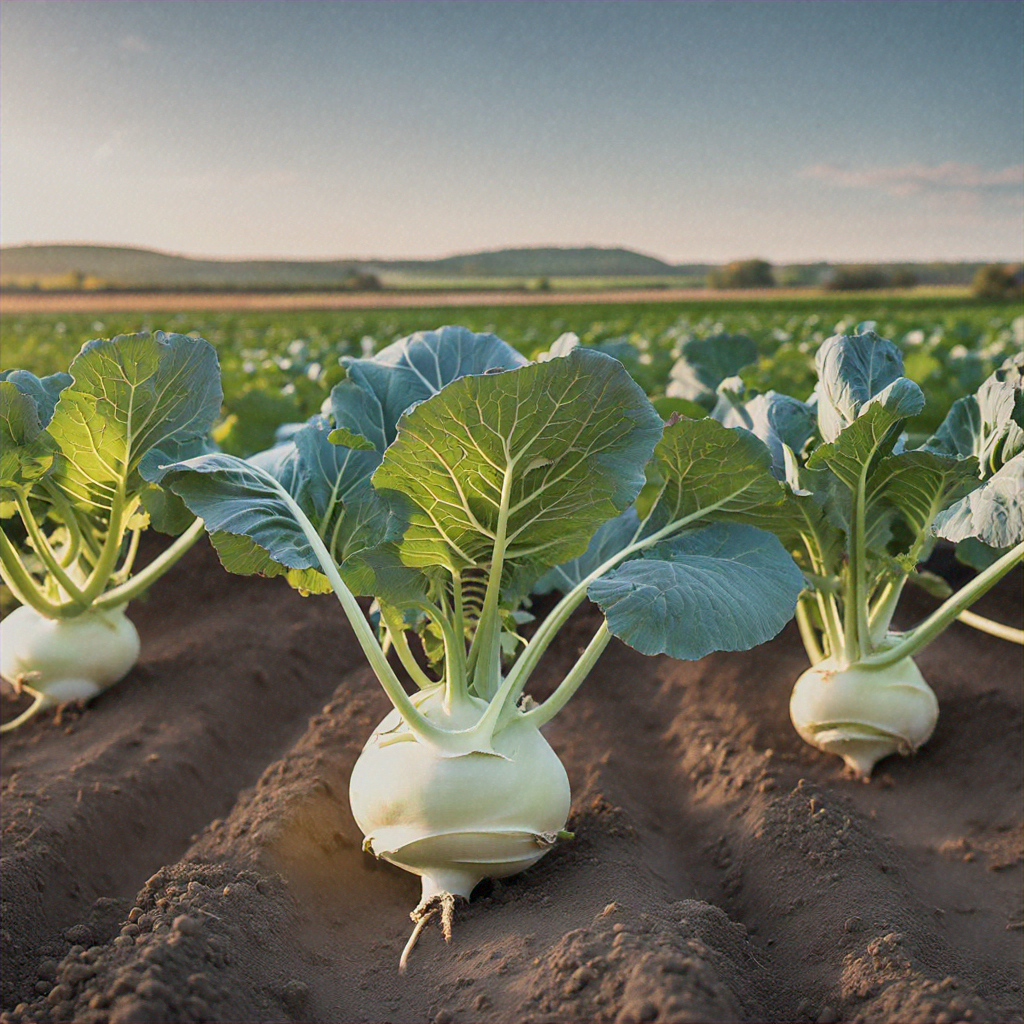
Kohlrabi, also known as the “German turnip,” comes in a variety of shapes, sizes, and colors, each offering distinct flavors and culinary applications. Among the most popular varieties in the United States are:
- Early White Vienna: A classic variety with a pale green, spherical bulb and a crisp, sweet flavor.
- Purple Danube: A striking cultivar with a vibrant purple exterior and a tender, mild-tasting interior.
- Superschmelz: A large, round variety with a smooth, pale green skin and a delicate, slightly nutty taste.
- Kossak: A giant kohlrabi variety that can grow up to 10 inches in diameter, boasting a sweet, creamy texture.
Each of these varieties presents unique opportunities for farmers and home gardeners, allowing them to cater to diverse culinary preferences and market demands.
Soil Requirements and Cultivation Practices
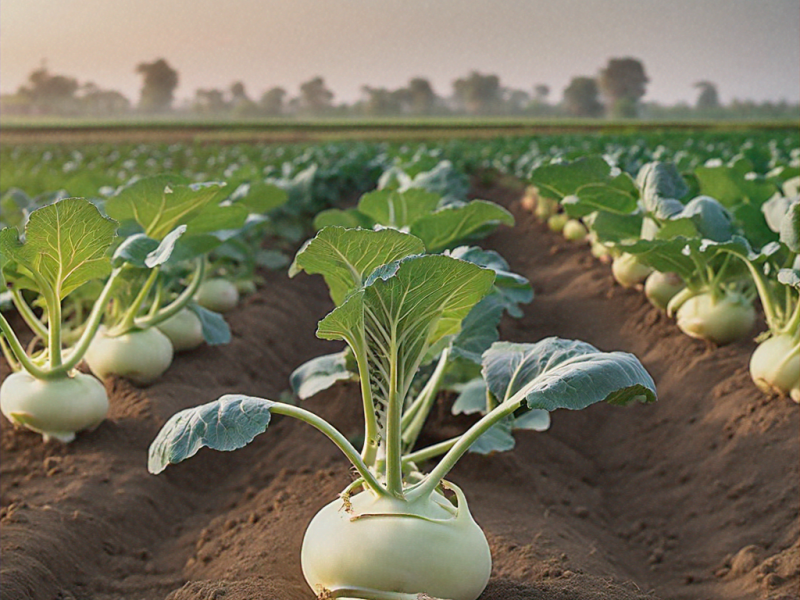
Kohlrabi thrives in well-drained, fertile soils with a slightly acidic to neutral pH range (6.0-7.5). The crop prefers cool, moist conditions and can tolerate partial shade, making it a versatile option for various climate zones. To ensure optimal growth and yield, farmers should consider the following cultivation practices:
- Soil Preparation: Incorporate organic matter, such as compost or well-rotted manure, into the soil to enhance nutrient content and water-holding capacity.
- Planting and Spacing: Sow seeds or transplant seedlings 12-18 inches apart in rows spaced 24-30 inches apart. Ensure proper soil coverage and firm the soil around the plants.
- Irrigation and Drainage: Provide consistent moisture, especially during dry spells, to prevent the bulbs from becoming woody or bitter. Ensure adequate drainage to prevent waterlogging.
- Fertilization: Apply a balanced, nitrogen-rich fertilizer at the time of planting and again mid-season to support healthy growth and development.
- Weed Management: Keep the kohlrabi bed free of weeds, which can compete for nutrients and water, compromising the crop’s yield and quality.
By adhering to these best practices, farmers can cultivate thriving kohlrabi crops that are resilient and productive.
Combating Kohlrabi Diseases: Doctor Intelligence
Like any crop, kohlrabi is susceptible to various diseases that can impact its growth, yield, and overall quality. As responsible stewards of the land, farmers must stay vigilant and employ a comprehensive disease management strategy to ensure the health and success of their kohlrabi crops. Let’s explore some of the common diseases affecting kohlrabi and the corresponding mitigation strategies:
1. Clubroot (Plasmodiophora brassicae)
Clubroot is a soil-borne disease that causes the roots of kohlrabi and other brassica crops to develop deformed, club-shaped swellings. This can lead to stunted growth, wilting, and ultimately, reduced yields.
- Symptoms: Swollen, club-shaped roots; yellowing and wilting of leaves; stunted growth.
- Prevention and Control: Maintain soil pH between 7.2-7.5 to inhibit the disease-causing pathogen; practice crop rotation with non-brassica crops; incorporate organic matter to improve soil structure and drainage.
2. Alternaria Leaf Spot (Alternaria brassicae)
Alternaria leaf spot is a fungal disease that causes dark, circular lesions on the leaves of kohlrabi, potentially leading to premature defoliation and reduced photosynthetic capacity.
- Symptoms: Small, dark-colored circular or irregular spots on the leaves; development of concentric rings within the spots.
- Prevention and Control: Use disease-resistant varieties; practice crop rotation; apply fungicides at the first sign of infection; ensure proper air circulation and drainage to reduce moisture buildup.
3. Downy Mildew (Hyaloperonospora parasitica)
Downy mildew is a fungal disease that thrives in cool, damp conditions, causing yellowing and stunted growth in kohlrabi plants.
- Symptoms: Yellow or white, fuzzy growth on the underside of leaves; yellowing and wilting of leaves; stunted growth.
- Prevention and Control: Choose resistant varieties; ensure proper spacing and air circulation; apply fungicides at the first signs of infection; avoid overhead irrigation to minimize leaf wetness.
4. Black Rot (Xanthomonas campestris)
Black rot is a bacterial disease that can affect the leaves, stems, and roots of kohlrabi, leading to discoloration, wilting, and potentially plant death.
- Symptoms: V-shaped, yellow to brown lesions on the leaves; blackening and wilting of leaf veins and stems; foul odor from infected tissues.
- Prevention and Control: Use certified, disease-free seeds and transplants; practice crop rotation; avoid overhead irrigation; apply copper-based bactericides at the first signs of infection.
By staying vigilant and implementing these disease management strategies, farmers can safeguard their kohlrabi crops and ensure a bountiful harvest.
Harvesting and Post-Harvest Handling
Proper harvesting and post-harvest handling are crucial for maintaining the quality and shelf life of kohlrabi. Here are the key steps to consider:
Harvesting
- Harvest kohlrabi when the bulbs are 2-4 inches in diameter, typically 45-60 days after planting.
- Gently pull or cut the bulbs from the ground, taking care to leave 1-2 inches of the stem attached.
- Avoid harvesting in the heat of the day, as this can lead to increased wilting and spoilage.
Post-Harvest Handling
- Immediately cool the harvested kohlrabi to remove field heat, either by submerging in cold water or placing in a refrigerated storage unit.
- Trim the leaves and stems, leaving 1-2 inches of the stem attached to the bulb.
- Store kohlrabi in a cool, humid environment (32-40°F and 95-100% relative humidity) to maintain freshness and extend shelf life.
- Consider using a post-harvest sanitizer, such as chlorine or hydrogen peroxide, to prevent the growth of microorganisms and extend storage life.
By adhering to these best practices, farmers can ensure that their kohlrabi crops are harvested and handled with care, preserving their quality and maximizing their value in the marketplace.
Conclusion
Kohlrabi, with its diverse varieties, nutritional profile, and culinary versatility, has emerged as a promising crop for farmers and home gardeners in the United States. By understanding the soil requirements, cultivation practices, and disease management strategies, growers can cultivate thriving kohlrabi crops that contribute to the overall agricultural landscape and promote human welfare. As we continue to explore the potential of this unique vegetable, the future of kohlrabi cultivation in the United States looks bright, offering opportunities for innovation, sustainable production, and improved food security.