India Kohlrabi Farming – Doctor Intelligence (Diseases): Ultimate Guide & Expert Advice
In the diverse landscape of Indian agriculture, kohlrabi, an often overlooked member of the Brassica family, has emerged as a resilient and versatile crop, offering numerous benefits to farmers and consumers alike. However, as with any cultivation endeavor, managing the health and well-being of kohlrabi plants is a crucial aspect that requires diligent attention. In this comprehensive guide, we delve into the world of kohlrabi farming in India, with a focus on understanding and tackling the various diseases that may afflict these hardy vegetables.
Understanding Kohlrabi: A Unique Brassica
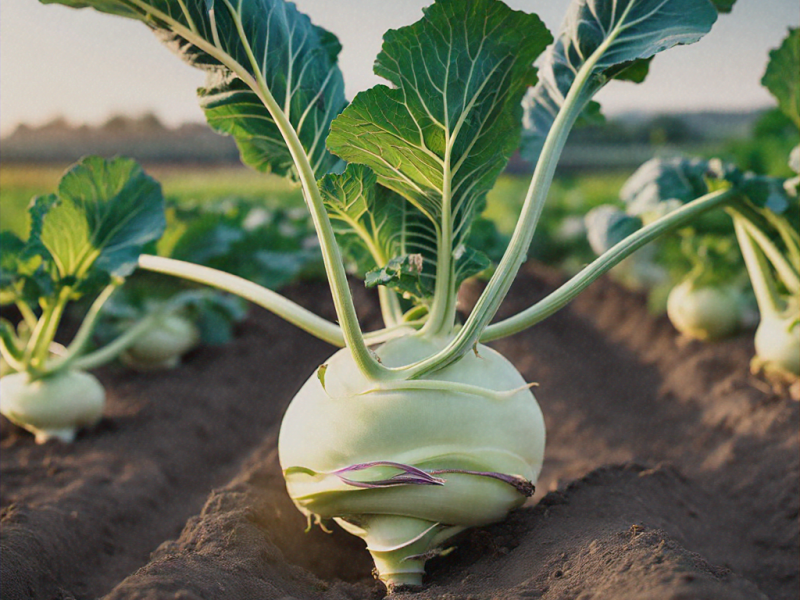
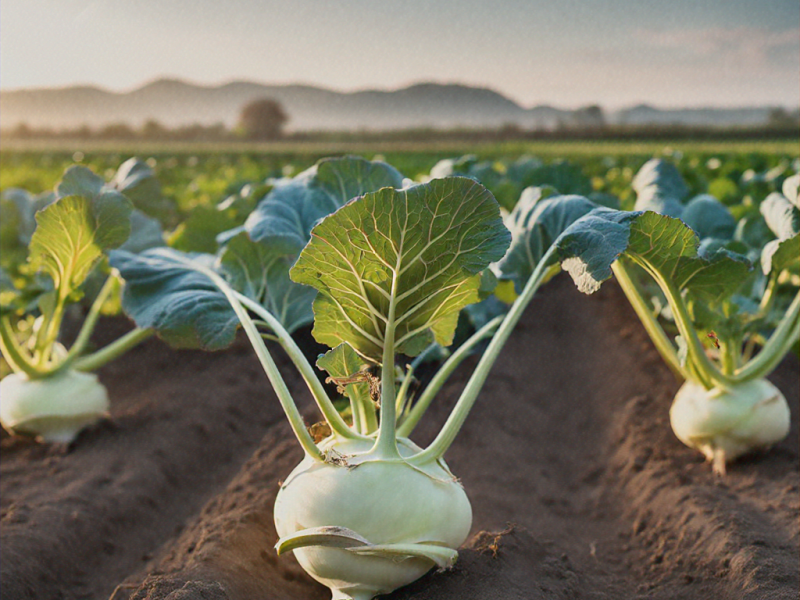
Kohlrabi, scientifically known as Brassica oleracea var. gongylodes, is a member of the cabbage family that boasts a distinctive swollen stem, which is the edible portion of the plant. This unique characteristic sets it apart from its leafy counterparts, such as kale and broccoli, and offers a delightful culinary experience with its crunchy texture and mild, slightly sweet flavor.
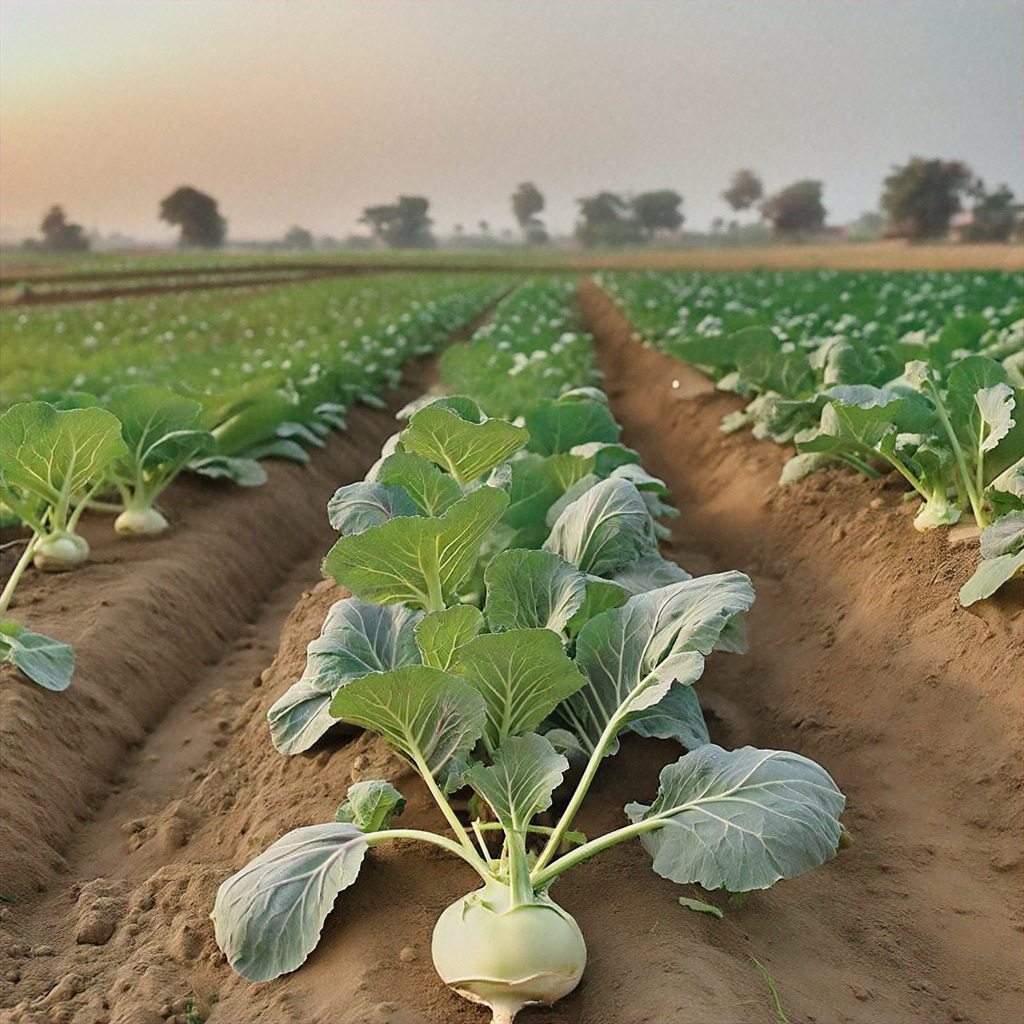
In India, kohlrabi has found a growing niche, particularly in the northern and central regions, where the cool climate and fertile soils provide an ideal environment for its cultivation. Farmers have recognized the versatility of this crop, which can be consumed both raw and cooked, making it a valuable addition to a diverse agricultural system.
Diseases Affecting Kohlrabi Farming
As with any crop, kohlrabi is susceptible to a range of diseases that can significantly impact its growth, yield, and overall quality. Understanding these diseases and implementing effective management strategies are crucial for successful kohlrabi farming. Let’s explore some of the most common diseases affecting kohlrabi cultivation in India:
1. Clubroot
Clubroot, caused by the soil-borne pathogen Plasmodiophora brassicae, is a particularly troublesome disease for kohlrabi growers. It manifests as swollen, club-shaped roots, which can severely disrupt the plant’s nutrient and water uptake, leading to stunted growth, wilting, and ultimately, reduced yields.
To manage clubroot, farmers should focus on improving soil drainage, applying lime to maintain a neutral pH, and implementing crop rotation with non-host plants. Additionally, the use of resistant cultivars and the application of biopesticides can help mitigate the impact of this disease.
2. Black Rot
Black rot, caused by the bacterium Xanthomonas campestris pv. campestris, is another significant concern for kohlrabi farmers. This disease can infect the leaves, stems, and even the edible bulbs, leading to discoloration, wilting, and ultimately, the decay of the affected plant parts.
To combat black rot, it is essential to maintain good sanitation practices, such as removing and destroying infected plant materials, and to ensure proper crop rotation. The use of resistant cultivars and the application of copper-based bactericides can also help in managing this disease.
3. Downy Mildew
Downy mildew, caused by the oomycete pathogen Peronospora parasitica, is a common challenge in kohlrabi farming, particularly during periods of high humidity and cool temperatures. This disease manifests as a gray, fuzzy growth on the undersides of the leaves, which can eventually lead to yellowing, wilting, and even plant death.
To manage downy mildew, farmers should focus on improving air circulation, maintaining proper spacing between plants, and applying fungicides at the first signs of infection. The use of disease-resistant cultivars can also contribute to effective disease management.
4. Alternaria Leaf Spot
Alternaria leaf spot, caused by the fungus Alternaria brassicae, is a foliar disease that can significantly impact the appearance and quality of kohlrabi leaves. It presents as dark, circular spots with concentric rings, which can eventually lead to leaf necrosis and premature defoliation.
To control Alternaria leaf spot, farmers should practice proper crop rotation, ensure adequate plant spacing, and apply fungicides at the first signs of the disease. Additionally, the use of disease-resistant cultivars and the implementation of good cultural practices, such as proper irrigation and nutrient management, can help mitigate the impact of this disease.
5. Powdery Mildew
Powdery mildew, caused by the fungus Erysiphe polygoni, is a common disease that can affect kohlrabi plants, particularly during periods of warm, dry weather. This disease manifests as a white, powdery growth on the leaves, stems, and even the edible bulbs, which can severely impair the plant’s photosynthetic capacity and overall health.
To manage powdery mildew, farmers should focus on improving air circulation, reducing humidity levels, and applying targeted fungicides at the first signs of the disease. The use of resistant cultivars and the implementation of good cultural practices, such as proper irrigation and nutrient management, can also help in controlling this disease.
Expert Advice: Comprehensive Disease Management Strategies
Effective disease management in kohlrabi farming requires a multifaceted approach that combines scientific knowledge, practical experience, and a deep understanding of the crop’s specific needs. Here are some expert recommendations for comprehensive disease management in kohlrabi cultivation:
- Preventive Measures: Implement good agricultural practices, such as proper soil preparation, crop rotation, and proper plant spacing, to create an unfavorable environment for disease-causing pathogens.
- Cultivar Selection: Choose disease-resistant kohlrabi cultivars that have been specifically bred to withstand common diseases in the region.
- Integrated Pest Management (IPM): Adopt a holistic approach that combines cultural, biological, and chemical control methods to manage diseases effectively and reduce the reliance on synthetic pesticides.
- Timely Monitoring and Diagnosis: Regularly inspect your kohlrabi crops and promptly identify any signs of disease. Seek the advice of agricultural extension officers or plant pathologists to ensure accurate diagnosis and appropriate treatment.
- Proper Sanitation and Hygiene: Regularly remove and dispose of infected plant materials, disinfect tools and equipment, and maintain good overall sanitation practices to prevent the spread of diseases.
- Judicious Use of Pesticides: If necessary, use registered and recommended fungicides or bactericides, following the instructions carefully and respecting the pre-harvest intervals to ensure food safety and environmental sustainability.
- Record-keeping and Knowledge Sharing: Maintain detailed records of the diseases encountered, the management strategies employed, and their effectiveness. Share this knowledge with other farmers, extension services, and research institutions to contribute to the collective understanding of kohlrabi disease management.
By implementing these comprehensive strategies, kohlrabi farmers in India can effectively manage the various diseases that may threaten their crops, ensuring a bountiful harvest and a sustainable future for this versatile vegetable.
Conclusion
Kohlrabi farming in India presents both opportunities and challenges, with disease management being a critical aspect of ensuring the long-term success and viability of this crop. By understanding the common diseases affecting kohlrabi, implementing preventive measures, and adopting comprehensive management strategies, farmers can safeguard their crops, minimize yield losses, and contribute to the overall agricultural sustainability and food security of the nation.
As we continue to explore the vast potential of kohlrabi cultivation, it is essential that we empower our farmers with the knowledge, tools, and support they need to overcome the hurdles posed by plant diseases. By working together, we can transform the landscape of Indian agriculture, fostering a future where healthy, nutritious kohlrabi thrives, benefiting both farmers and consumers alike.