How to Grow Kohlrabi in Europe: Doctor Intelligence (Diseases) – Complete How-To
In the vast and ever-evolving world of agriculture, the humble kohlrabi stands as a testament to the resilience and versatility of nature. As part of the cabbage family, this unique vegetable has captured the hearts and palates of gardeners and chefs alike, particularly in the diverse landscapes of Europe. In this comprehensive guide, we will delve into the nuances of growing kohlrabi in the European climate, with a special focus on understanding and managing the common diseases that may arise along the way.
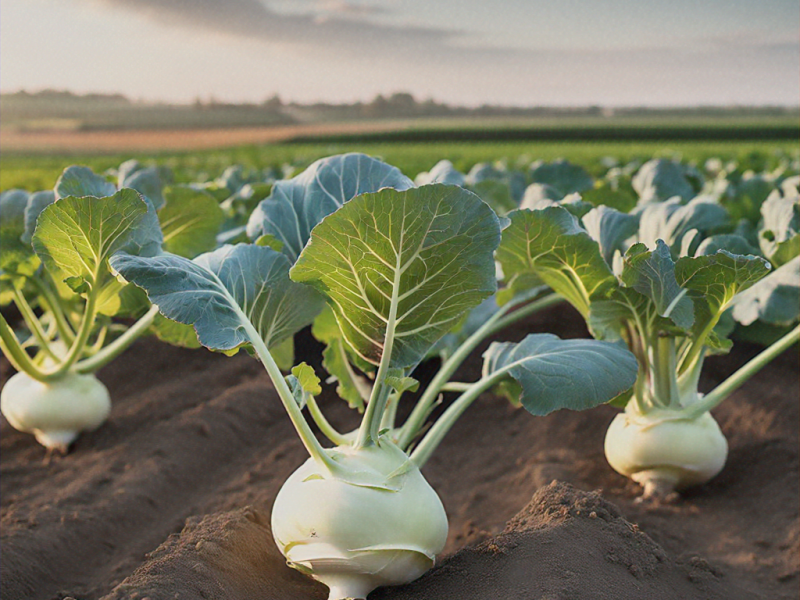
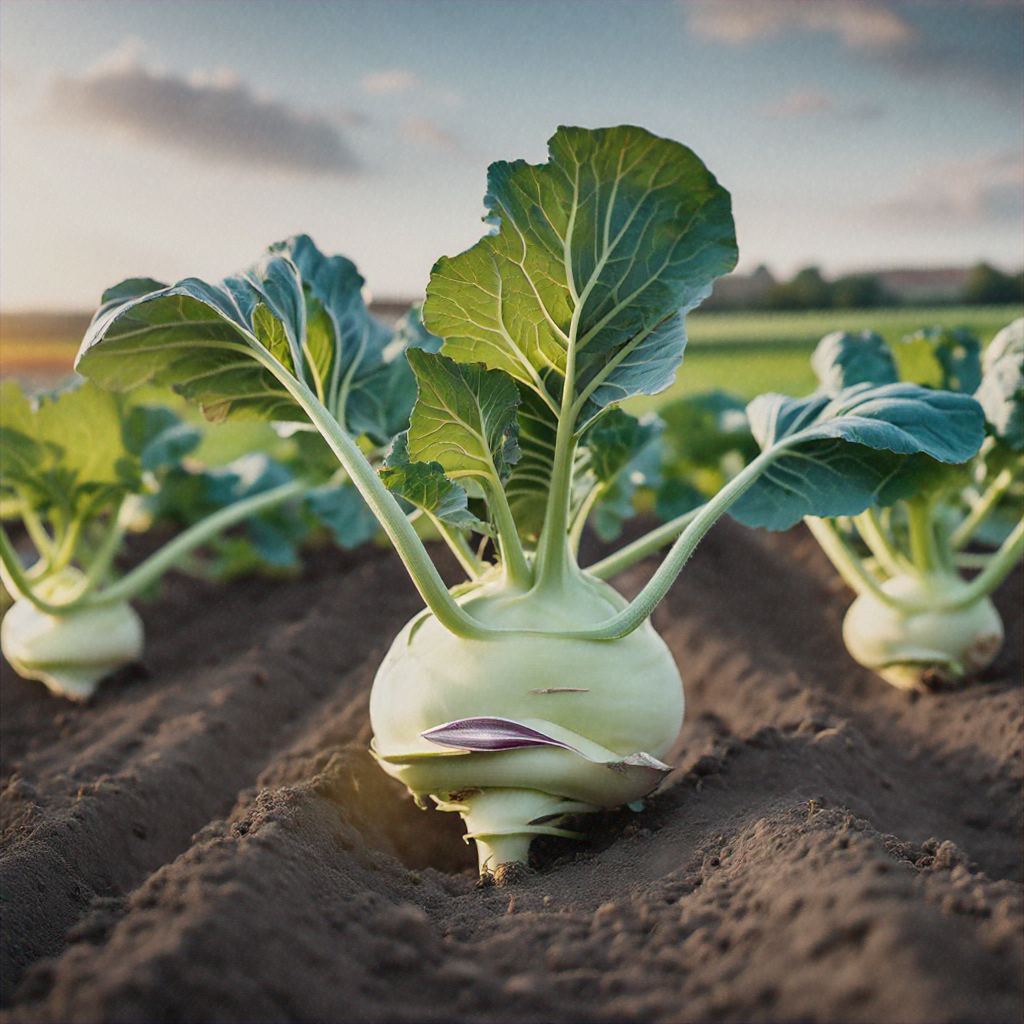
Kohlrabi, often referred to as the “turnip-cabbage,” is a cool-weather crop that thrives in temperate regions. Its distinctive bulbous stem, crowned with lush green leaves, offers a delightful flavor profile that is often compared to a cross between broccoli and radish. Whether you’re a seasoned gardener or a novice seeking to expand your culinary horizons, mastering the art of growing kohlrabi can be a rewarding and fulfilling experience.
Soil and Climate Conditions
Kohlrabi is a versatile crop that can adapt to a wide range of soil types, but it thrives best in well-drained, nutrient-rich soil with a slightly acidic pH (between 6.0 and 7.0). In Europe, where the climate is predominantly temperate, kohlrabi performs exceptionally well in regions with cool summers and mild winters, with average temperatures ranging from 15°C to 25°C (59°F to 77°F).
To ensure optimal growth, it’s essential to select a planting site that receives full sun exposure, with at least six to eight hours of direct sunlight per day. Avoid areas with heavy clay soils or excessive moisture, as these conditions can lead to the development of various diseases and pests.
Planting and Cultivation
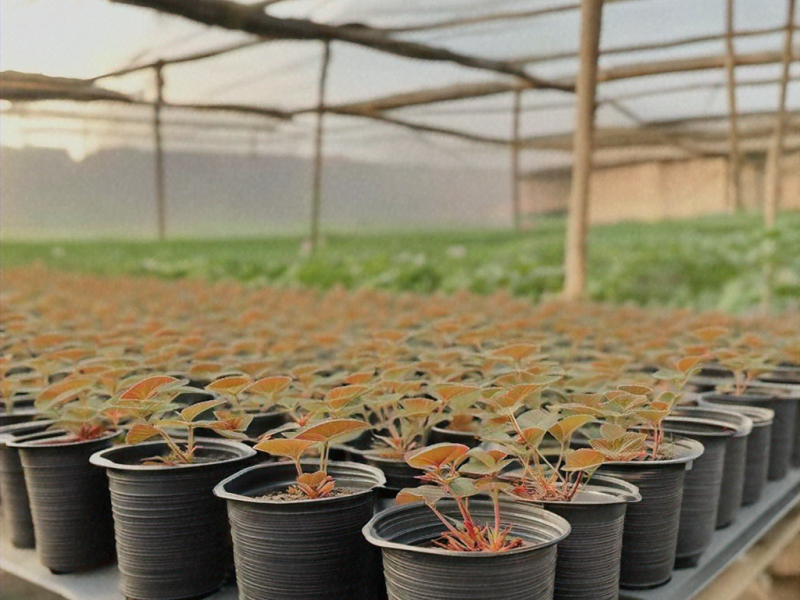
Kohlrabi can be grown from seed or transplanted as seedlings. For the best results, start your kohlrabi seeds indoors about four to six weeks before the last expected frost date in your region. Sow the seeds in a well-draining seed starting mix, and ensure the soil remains consistently moist until the seeds germinate, which typically takes around 7-10 days.
Once the seedlings have developed their first true leaves, transplant them into the prepared garden bed, spacing them about 12-15 inches apart in rows that are 18-24 inches apart. Gently firm the soil around the transplants to ensure good soil-to-root contact, and water them thoroughly.
Throughout the growing season, maintain a consistent watering schedule, providing about 1-2 inches of water per week, either through natural rainfall or supplemental irrigation. Avoid letting the soil become too dry, as this can stress the plants and make them more susceptible to diseases.
Regular weeding and light cultivation around the plants will help to keep the soil loose and aerated, promoting healthy root growth. Additionally, applying a balanced, organic fertilizer every four to six weeks can help to replenish the soil’s nutrients and support the plant’s overall vigor.
Common Diseases and Management Strategies
Kohlrabi, like other members of the cabbage family, can be susceptible to a range of diseases that can impact its growth and yield. By understanding these common ailments and implementing proactive management strategies, you can ensure a bountiful harvest and a healthy crop.
Clubroot
- Description: Clubroot is a soil-borne disease caused by the pathogen Plasmodiophora brassicae. It manifests as swollen, club-shaped roots that can impair the plant’s ability to take up water and nutrients.
- Prevention and Management: Improve soil drainage, use resistant cultivars, and incorporate lime to raise the soil pH to 7.2-7.5, as this can help suppress the clubroot pathogen.
Black Rot
- Description: Black rot is a bacterial disease caused by Xanthomonas campestris. It can cause yellowing and wilting of the leaves, as well as black veins and V-shaped lesions on the leaves and stems.
- Prevention and Management: Ensure proper crop rotation, remove and destroy infected plant material, and consider using disease-resistant cultivars. Applying a copper-based fungicide may also help to manage the disease.
Alternaria Leaf Spot
- Description: Alternaria leaf spot, caused by the fungus Alternaria brassicae, can result in the formation of dark, circular spots on the leaves, leading to defoliation and reduced plant vigor.
- Prevention and Management: Practice crop rotation, remove and destroy infected plant debris, and consider using resistant cultivars. Applying a fungicide containing active ingredients like mancozeb or copper can also help to control the disease.
Powdery Mildew
- Description: Powdery mildew is a fungal disease that manifests as a white, powdery growth on the leaves and stems of the plant. It can stunt growth and reduce the overall quality of the crop.
- Prevention and Management: Ensure adequate air circulation, avoid overcrowding, and apply a fungicide containing sulfur or neem oil to manage the disease.
Aphids
- Description: Aphids are small, sap-sucking insects that can infest kohlrabi plants, causing stunted growth, distorted leaves, and the potential spread of viral diseases.
- Prevention and Management: Encourage the presence of natural predators like ladybugs and lacewings, use insecticidal soaps or neem oil, and remove heavily infested plant parts to control aphid populations.
Harvesting and Storage
Kohlrabi is typically ready for harvest when the bulb, or stem, reaches about 2-4 inches in diameter, usually around 50-60 days after transplanting. To ensure optimal flavor and texture, harvest the kohlrabi before the bulb becomes woody or fibrous.
To harvest, simply use a sharp knife or garden shears to cut the bulb off at the soil line, leaving about an inch of stem attached. Gently remove any soil or debris, and store the kohlrabi in a cool, dry place, such as the refrigerator, for up to two weeks. Properly stored, kohlrabi can maintain its crisp texture and delicate flavor, making it a versatile ingredient for a variety of culinary applications.
Culinary Delights and Nutritional Benefits
Kohlrabi is a nutritional powerhouse, packed with a wealth of vitamins, minerals, and antioxidants. Its crunchy texture and delicate flavor profile make it a popular ingredient in European cuisine, where it is often enjoyed raw, in salads, or lightly cooked in stir-fries, soups, and roasted dishes.
One cup of raw kohlrabi provides a significant amount of dietary fiber, vitamin C, vitamin K, and potassium, among other essential nutrients. Additionally, kohlrabi contains glucosinolates, which are believed to have potential cancer-fighting properties, making it a valuable addition to a balanced, healthy diet.
Whether you’re a seasoned gardener or a newcomer to the world of kohlrabi, mastering the art of growing this versatile vegetable in the European climate can be a rewarding and enriching experience. By understanding the specific soil and climate requirements, as well as the common diseases and pests that may arise, you can ensure a bountiful harvest and a delicious addition to your culinary repertoire.