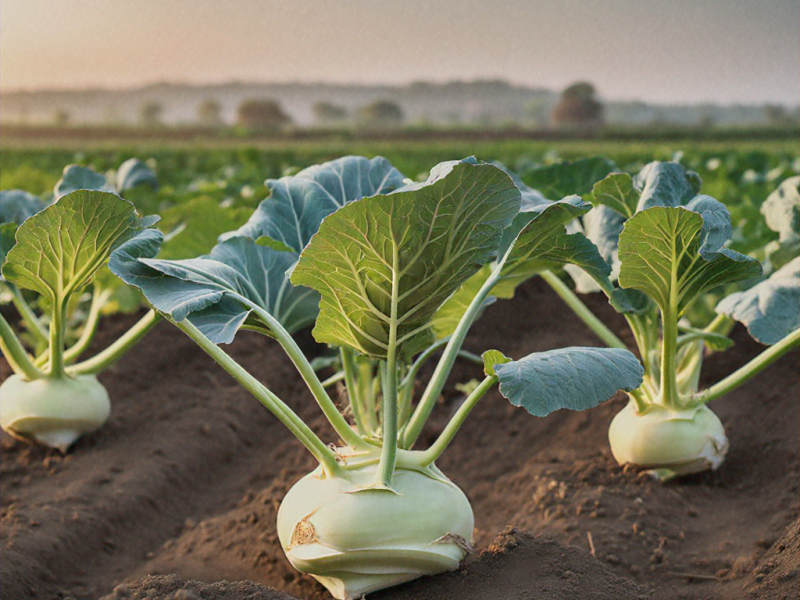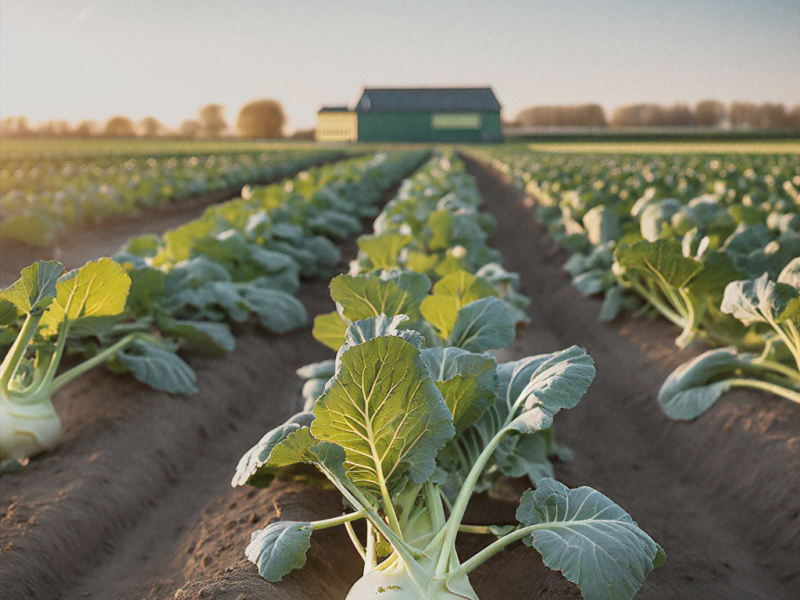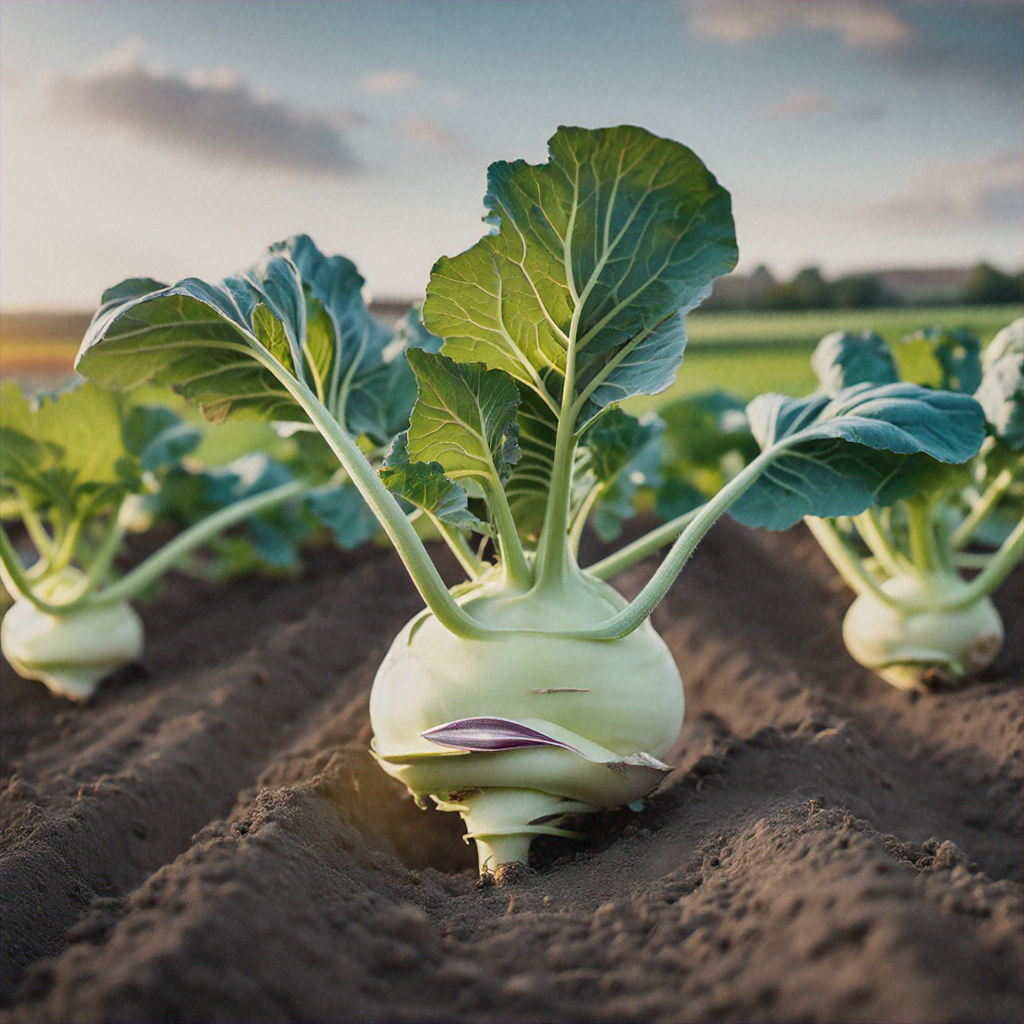
Mastering the Art of Growing Kohlrabi in Europe: Doctor Intelligence (Diseases) – A Complete How-To Guide
In the realm of agriculture and human welfare, the humble kohlrabi stands as a testament to the resilience and adaptability of nature. This versatile vegetable, often overlooked, holds the potential to not only nourish our bodies but also contribute to the overall health and well-being of our communities. In this comprehensive guide, we delve into the intricacies of growing kohlrabi in Europe, with a particular focus on identifying and managing common diseases that may arise during the cultivation process.
Kohlrabi, a member of the cabbage family, is a unique and underappreciated vegetable that thrives in temperate climates, making it an excellent choice for European gardeners and farmers. Its crisp, succulent bulbs and tender leaves offer a delightful blend of flavors, making it a valuable addition to a diverse and nutritious diet.
Understanding Kohlrabi and Its Growing Requirements
To successfully cultivate kohlrabi in Europe, it is essential to understand the plant’s specific needs and environmental preferences. Kohlrabi thrives in well-drained, nutrient-rich soil with a slightly acidic pH range of 6.0 to 7.0. It prefers full sun exposure, although it can tolerate partial shade, especially during the hotter summer months.
When it comes to planting, kohlrabi can be sown directly into the ground or started indoors and transplanted. The ideal planting time in Europe is typically in the spring or early fall, as the vegetable prefers cooler temperatures and can withstand light frosts.
Identifying and Managing Common Kohlrabi Diseases
While kohlrabi is generally a hardy and disease-resistant crop, it is not immune to certain ailments that can potentially impact its growth and yield. As a responsible grower, it is essential to be aware of these common diseases and implement proactive measures to maintain the health of your kohlrabi plants.
1. Clubroot
Clubroot is a soilborne disease caused by the pathogen Plasmodiophora brassicae. This disease can affect various members of the cabbage family, including kohlrabi, and can lead to the development of large, club-shaped galls on the roots. Affected plants may exhibit stunted growth, wilting, and yellowing of the leaves.
To prevent and manage clubroot, consider the following strategies:
- Improve soil drainage and aeration to create an unfavorable environment for the pathogen.
- Rotate crops to non-brassica species for at least 3-4 years to break the disease cycle.
- Apply lime to the soil to raise the pH, as clubroot thrives in acidic conditions.
- Use resistant kohlrabi cultivars when available.
- Disinfect tools and equipment to prevent the spread of the disease.
2. Black Rot
Black rot is a bacterial disease caused by Xanthomonas campestris, which can affect the leaves, stems, and roots of kohlrabi plants. Symptoms include V-shaped lesions on the leaves, blackening of the veins, and eventual wilting and decay of the affected tissues.
To manage black rot, consider the following measures:
- Practice good sanitation by removing and destroying infected plant material.
- Rotate crops to non-brassica species to break the disease cycle.
- Avoid overhead irrigation, as this can spread the bacteria.
- Use disease-resistant kohlrabi varieties when available.
- Apply copper-based fungicides or bactéricides, following the manufacturer’s instructions.
3. Downy Mildew
Downy mildew is a fungal disease caused by Hyaloperonospora parasitica, which can affect the leaves and stems of kohlrabi plants. Symptoms include yellowing, distortion, and the formation of a greyish-purple fungal growth on the undersides of the leaves.
To manage downy mildew, consider the following strategies:
- Promote good air circulation around the plants by spacing them appropriately.
- Avoid overhead irrigation, as this can create a moist environment that favors the fungus.
- Apply fungicides containing active ingredients such as copper or mancozeb, following the manufacturer’s instructions.
- Select kohlrabi varieties with increased resistance to downy mildew.
4. Alternaria Leaf Spot
Alternaria leaf spot is a fungal disease caused by Alternaria brassicae, which can affect the leaves and stems of kohlrabi plants. Symptoms include the formation of dark-colored, circular or irregular lesions on the leaves, which can eventually lead to defoliation and reduced plant vigor.
To manage Alternaria leaf spot, consider the following measures:
- Maintain good air circulation around the plants by spacing them appropriately.
- Remove and dispose of any infected plant material to prevent the spread of the disease.
- Apply fungicides containing active ingredients such as mancozeb or chlorothalonil, following the manufacturer’s instructions.
- Choose kohlrabi varieties with increased resistance to Alternaria leaf spot.
Implementing Integrated Pest Management (IPM) Strategies
To effectively manage the health of your kohlrabi plants, it is recommended to adopt an Integrated Pest Management (IPM) approach. IPM combines various control methods, including cultural, mechanical, biological, and chemical strategies, to create a comprehensive and sustainable solution.
Some key components of an IPM strategy for growing healthy kohlrabi in Europe include:
- Regularly monitoring for early signs of disease and addressing issues promptly.
- Implementing crop rotation and ensuring proper soil health to create an unfavorable environment for pathogens.
- Utilizing disease-resistant kohlrabi cultivars when available.
- Practicing good sanitation and hygiene measures, such as cleaning tools and disinfecting the growing area.
- Selectively using organic or synthetic fungicides, following the manufacturer’s instructions, as a last resort.
- Exploring the potential of biological control agents, such as beneficial microorganisms, to suppress disease-causing organisms.
Conclusion
Growing kohlrabi in Europe can be a rewarding and enriching experience, providing not only a nutritious and versatile vegetable but also contributing to the overall well-being of our communities. By understanding the plant’s specific needs and implementing effective disease management strategies, you can cultivate healthy and thriving kohlrabi crops that will nourish both your body and your soul.
Remember, the key to successful kohlrabi cultivation lies in a holistic approach that addresses the plant’s environmental requirements, proactively identifies and manages diseases, and leverages integrated pest management techniques. With this comprehensive guide in hand, you are well on your way to becoming a master of kohlrabi cultivation, ready to reap the rewards of your hard work and dedication.