Doctor Intelligence (Diseases) for Kohlrabi – North America Guide: Step-by-Step & Yield Tips
In the vast and ever-evolving landscape of agriculture, understanding the delicate balance between crop health and human welfare is paramount. Kohlrabi, a member of the cabbage family, is a unique and versatile vegetable that has gained growing popularity in North America. However, like any living organism, kohlrabi is susceptible to a range of diseases that can threaten its productivity and, in turn, impact our ability to nourish ourselves and our communities.
In this comprehensive guide, we will delve into the world of “Doctor Intelligence” – a holistic approach to disease management that combines modern technology, traditional farming practices, and a deep understanding of the intricate web of life that sustains our agricultural systems. By exploring the common diseases affecting kohlrabi in North America, along with step-by-step cultivation techniques and yield-boosting tips, we aim to empower farmers, gardeners, and food enthusiasts alike to cultivate healthy, thriving kohlrabi crops that contribute to our collective well-being.
Understanding Kohlrabi Diseases in North America
Kohlrabi, like any other crop, is susceptible to a range of diseases that can impact its growth, yield, and overall quality. In North America, some of the most common kohlrabi diseases include:
- Clubroot: A soil-borne disease caused by the pathogen Plasmodiophora brassicae, which can lead to the development of swollen, misshapen roots and stunted plant growth.
- Black Rot: A bacterial disease caused by Xanthomonas campestris, resulting in the development of V-shaped, black-colored lesions on the leaves and stems.
- Downy Mildew: A fungal disease caused by Hyaloperonospora parasitica, characterized by the appearance of grayish-purple fungal growths on the underside of leaves.
- Alternaria Leaf Spot: A fungal disease caused by Alternaria brassicae, which can lead to the formation of dark-colored, circular spots on the leaves.
Understanding the specific characteristics and life cycles of these diseases is crucial for implementing effective disease management strategies. By identifying the early signs of infection and taking proactive measures, farmers and gardeners can minimize the impact of these diseases and ensure a bountiful kohlrabi harvest.
Step-by-Step Kohlrabi Cultivation in North America
Cultivating healthy and productive kohlrabi crops in North America requires a multifaceted approach that takes into account the unique climate, soil conditions, and regional growing patterns. Here’s a step-by-step guide to help you get started:
- Site Selection: Choose a well-drained, nutrient-rich soil with a pH range of 6.0 to 7.5. Kohlrabi thrives in full sun, so select a location that receives at least 6 hours of direct sunlight per day.
- Soil Preparation: Incorporate generous amounts of organic matter, such as compost or well-rotted manure, into the soil to improve its structure and nutrient content. This will provide the necessary nourishment for your kohlrabi plants to thrive.
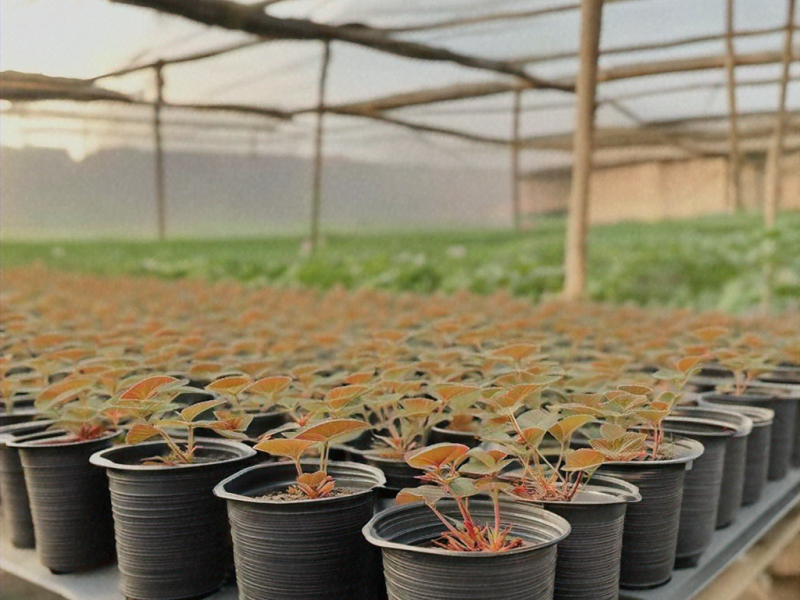
- Planting: Sow kohlrabi seeds directly in the ground or start them indoors and transplant the seedlings once they have developed a strong root system. Space the plants 8 to 12 inches apart, with rows spaced 18 to 24 inches apart.
- Watering: Kohlrabi requires consistent moisture throughout its growing season. Water the plants regularly, ensuring the soil remains moist but not waterlogged.
- Fertilization: Apply a balanced, slow-release fertilizer at the time of planting, and consider side-dressing with additional nitrogen-rich fertilizer as the plants mature.
- Pest and Disease Management: Regularly inspect your kohlrabi plants for signs of pests or diseases, and take prompt action to address any issues using organic or integrated pest management (IPM) strategies.
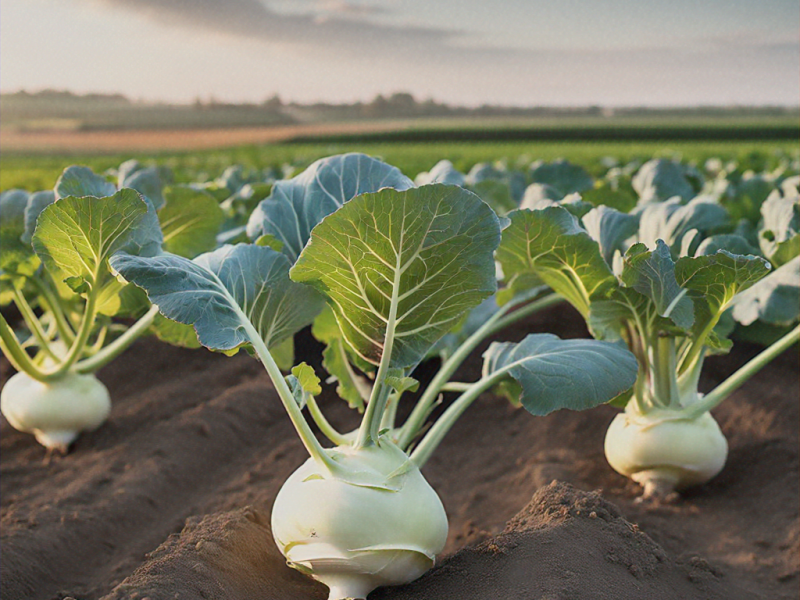
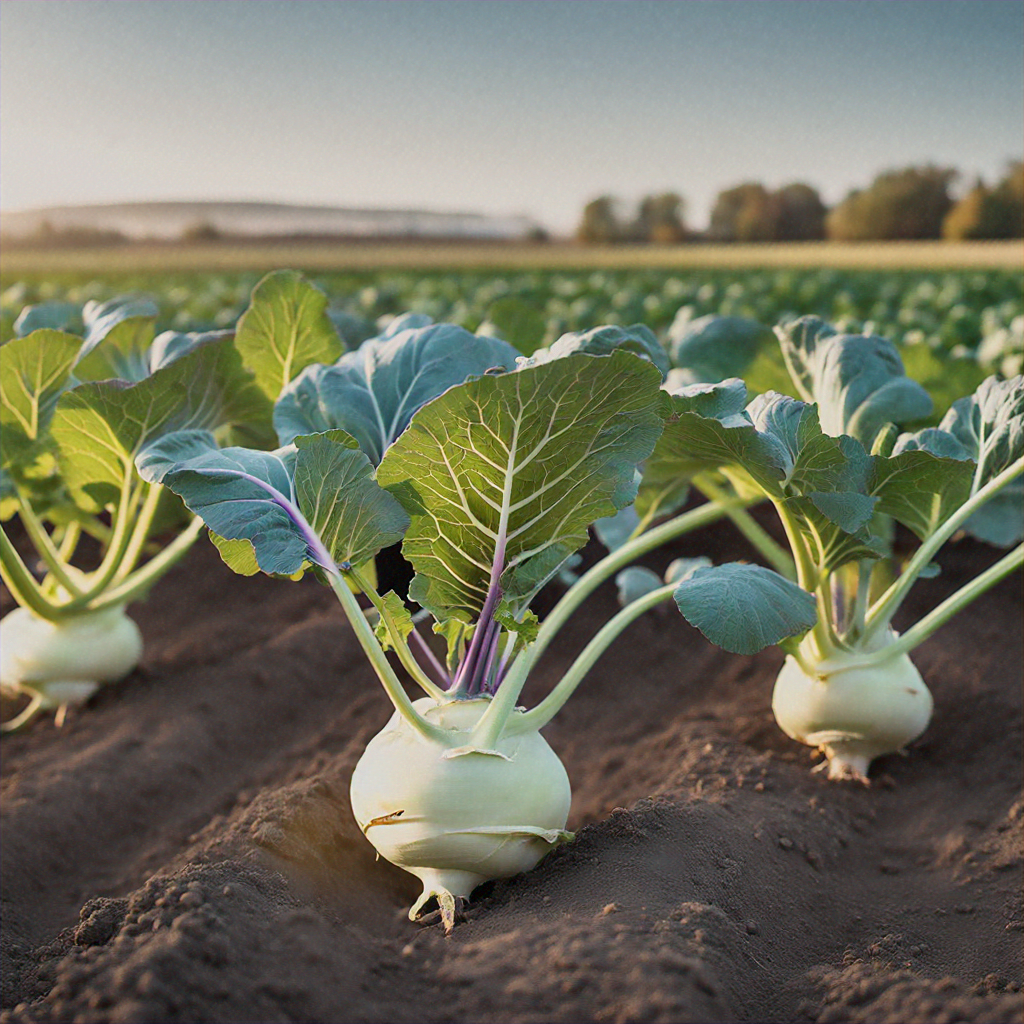
- Harvesting: Kohlrabi is ready for harvest when the bulb has reached 2 to 4 inches in diameter, typically 50 to 70 days after planting. Carefully twist and pull the bulbs from the ground, leaving a few inches of the stem attached.
By following these step-by-step guidelines, you can create the optimal growing conditions for your kohlrabi crops, ensuring a bountiful and disease-resilient harvest.
Boosting Kohlrabi Yields: Tips and Strategies
Maximizing the yield of your kohlrabi crop is not only beneficial for your personal consumption or sales, but it also contributes to the overall food security and sustainability of your local community. Here are some tips and strategies to help you achieve higher yields:
- Succession Planting: Sow kohlrabi seeds at regular intervals, every 2-3 weeks, to ensure a continuous supply of fresh produce throughout the growing season.
- Mulching: Apply a 2-3 inch layer of organic mulch, such as straw or shredded leaves, around the base of the plants. This will help retain soil moisture, suppress weed growth, and prevent soil compaction.
- Irrigation Optimization: Utilize drip irrigation or soaker hoses to deliver water directly to the root zone, minimizing water waste and promoting healthy root development.
- Crop Rotation: Rotate your kohlrabi crop with non-brassica crops, such as legumes or root vegetables, to help break disease and pest cycles and improve soil health.
- Companion Planting: Interplant your kohlrabi with companion crops, like marigolds or nasturtiums, which can help repel pests and attract beneficial insects that prey on harmful insects.
- Timely Harvesting: Regularly harvest your kohlrabi bulbs as they reach the appropriate size, as leaving them in the ground too long can lead to a decrease in quality and yield.
By incorporating these yield-boosting strategies into your kohlrabi cultivation practices, you can maximize the productivity of your crops and contribute to the overall food security and sustainability of your local community.
Conclusion: Embracing “Doctor Intelligence” for Healthier Kohlrabi Crops
In the ever-evolving world of agriculture, the concept of “Doctor Intelligence” – a holistic approach to disease management that combines modern technology, traditional farming practices, and a deep understanding of the natural world – has emerged as a powerful tool for cultivating healthy, thriving crops that support human welfare.
By understanding the common diseases affecting kohlrabi in North America, implementing step-by-step cultivation techniques, and employing yield-boosting strategies, farmers, gardeners, and food enthusiasts can work in harmony with the delicate balance of nature to produce an abundance of this nutritious and versatile vegetable.
As we continue to navigate the complex challenges facing our agricultural systems, the principles of “Doctor Intelligence” will undoubtedly play a crucial role in ensuring the long-term sustainability and resilience of our food production. By embracing this approach, we can not only safeguard the health of our kohlrabi crops but also contribute to the overall well-being of our communities and the planet we call home.