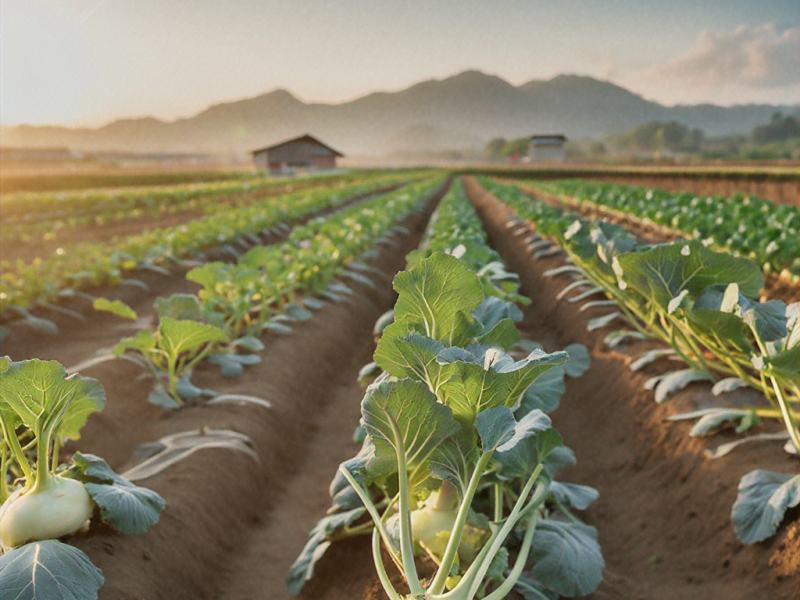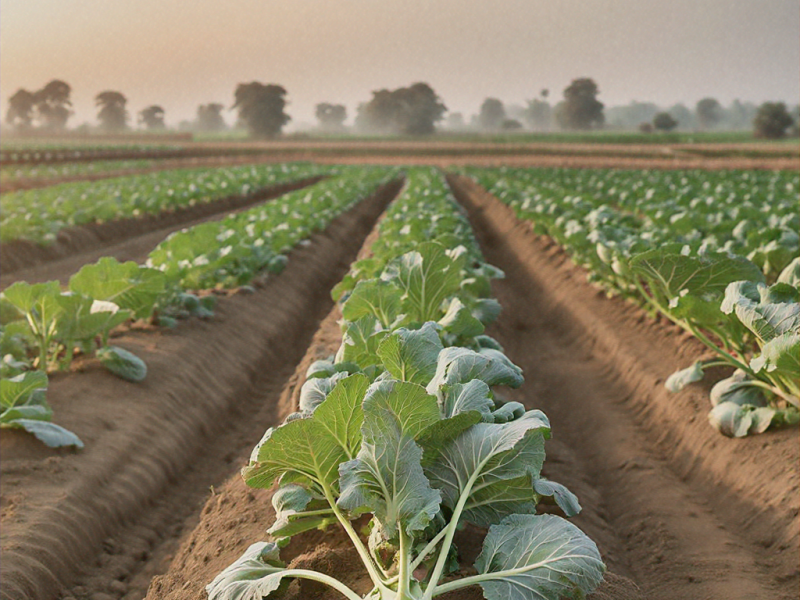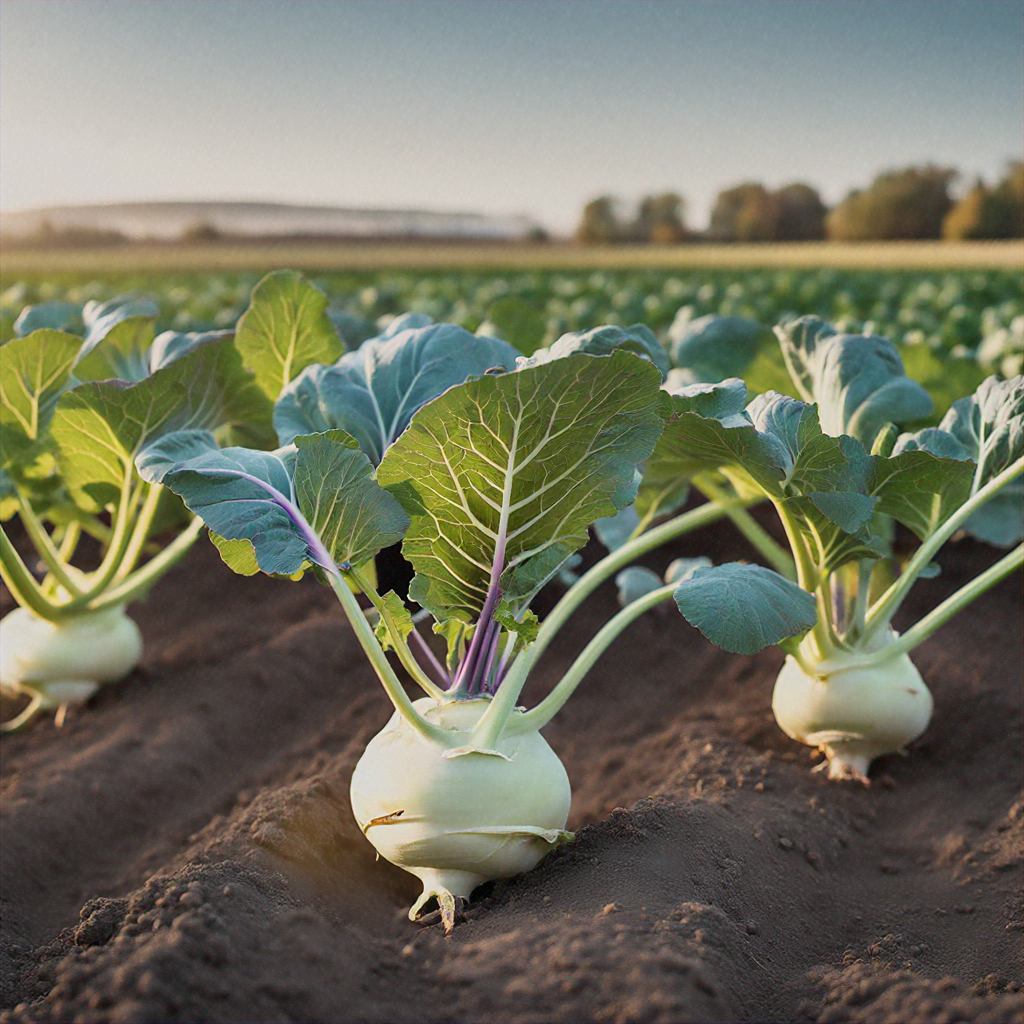
Unlocking the Secrets of Growing Kohlrabi: Doctor Intelligence (Diseases) for North America
In the ever-evolving world of agriculture, understanding the intricacies of plant health and disease management is crucial for achieving bountiful harvests and ensuring the well-being of both crops and communities. When it comes to the cultivation of kohlrabi, a unique and nutritious member of the cabbage family, a comprehensive guide to managing diseases is a valuable asset for North American growers. This article delves into the world of “Doctor Intelligence (Diseases)” – a comprehensive approach to identifying, preventing, and treating the common ailments that may befall your kohlrabi plants, allowing you to maximize your yields and contribute to the overall human welfare.
Understanding Kohlrabi Diseases: A Step-by-Step Guide
Kohlrabi, with its distinctive bulbous stem and delicate leaves, is a resilient crop that can thrive in various climates across North America. However, like any plant, it is susceptible to a range of diseases that can hinder its growth and diminish its quality. By familiarizing yourself with the most common kohlrabi diseases and their respective symptoms, you can take proactive steps to ensure the health and vitality of your crop.
Identifying Common Kohlrabi Diseases
- Clubroot: This soil-borne disease, caused by the Plasmodiophora brassicae pathogen, can lead to the development of swollen, gnarled roots, stunted growth, and wilting leaves. Early detection and proper soil management are crucial in combating this disease.
- Black Rot: Caused by the Xanthomonas campestris bacteria, black rot can result in discolored, V-shaped lesions on the leaves, as well as yellowing and wilting of the plant. Proper sanitation and crop rotation are effective in preventing this disease.
-
Alternaria Leaf Spot: This fungal disease, caused by the Alternaria brassicae pathogen, manifests as circular, brown spots on the leaves, which can eventually coalesce and cause leaf necrosis. Maintaining good air circulation and applying fungicides can help manage this disease.
-
Downy Mildew: Caused by the Hyaloperonospora parasitica fungus, downy mildew can lead to the development of yellow, irregular patches on the leaves, as well as a fuzzy, white growth on the underside of the leaves. Proper irrigation and the use of resistant cultivars can help mitigate this disease.
-
Powdery Mildew: This fungal disease, caused by the Erysiphe cruciferarum pathogen, manifests as a white, powdery growth on the leaves and stems, leading to stunted growth and reduced yields. Maintaining proper air circulation and applying fungicides can help control this disease.
Implementing Effective Disease Management Strategies
Once you have identified the specific diseases affecting your kohlrabi crop, it is essential to implement a comprehensive disease management strategy to mitigate their impact and ensure the overall health and productivity of your plants. Here are some key steps to consider:
Cultural Practices
- Implement proper crop rotation, ensuring that kohlrabi is not grown in the same area for consecutive seasons to break the disease cycle.
- Maintain good air circulation around the plants by spacing them appropriately and pruning any overcrowded foliage.
- Irrigate the plants at the base, avoiding overhead watering that can promote the spread of disease.
- Practice good sanitation by regularly removing and disposing of any diseased or infected plant materials.
- Introduce resistant or tolerant kohlrabi cultivars that have been bred to withstand common diseases.
Biological Control
- Utilize beneficial microorganisms, such as Trichoderma fungi or Bacillus bacteria, which can help suppress the growth of pathogenic fungi and bacteria.
- Encourage the presence of natural predators, like ladybugs or lacewings, that can feed on pest insects that may vector disease-causing organisms.
- Apply plant-based or microbial biopesticides that target specific disease-causing pathogens while minimizing harm to the environment and beneficial organisms.
Chemical Control
- As a last resort, judiciously apply approved fungicides or bactericides to target specific diseases, always following the instructions on the product label.
- Rotate the use of different chemical modes of action to prevent the development of resistance in pathogenic organisms.
- Carefully time the application of chemical treatments to coincide with the most vulnerable stages of the disease life cycle.
Monitoring and Record-Keeping
Effective disease management requires diligent monitoring and record-keeping to track the progression of diseases, the success of implemented strategies, and any emerging issues. Regularly inspect your kohlrabi plants, document any observed symptoms, and maintain detailed records of your disease management efforts. This information will be invaluable in refining your approach and ensuring the long-term health and productivity of your crop.
Maximizing Kohlrabi Yields: Tips and Strategies
Beyond managing diseases, there are several additional strategies you can employ to optimize the yield and quality of your kohlrabi crop. By implementing these techniques, you can contribute to the overall human welfare by providing a reliable, nutritious, and abundant supply of this versatile vegetable.
Soil Preparation and Nutrient Management
- Ensure that your soil is well-drained, rich in organic matter, and has a pH ranging from 6.0 to 7.5, which is ideal for kohlrabi growth.
- Incorporate a balanced, slow-release fertilizer into the soil before planting to provide a steady supply of essential nutrients throughout the growing season.
- Monitor soil nutrient levels and make adjustments as needed to maintain optimal plant health and productivity.
Planting and Spacing
- Choose a planting location that receives full sun exposure, as kohlrabi thrives in well-lit conditions.
- Sow seeds or transplant seedlings at the appropriate depth and spacing, typically 12-18 inches apart in rows spaced 24-36 inches apart.
- Stagger your planting schedule to ensure a continuous harvest throughout the growing season.
Irrigation and Moisture Management
- Provide consistent, moderate water throughout the growing season, aiming for about 1-2 inches of water per week.
- Avoid over-watering, as this can lead to issues like root rot, and be mindful of moisture levels, adjusting as needed based on weather conditions.
- Utilize mulch around the base of the plants to help retain soil moisture and suppress weed growth.
Harvesting and Post-Harvest Handling
- Harvest kohlrabi when the bulbs are 2-4 inches in diameter, typically 50-60 days after planting.
- Gently twist and pull the bulbs from the ground, taking care not to damage the leaves or stems.
- Store harvested kohlrabi in a cool, humid environment, such as a refrigerator, to maintain freshness and quality.
By following these step-by-step guidelines and implementing the strategies outlined in this comprehensive guide, you can effectively manage diseases, maximize kohlrabi yields, and contribute to the overall human welfare through the cultivation of this nutritious and versatile vegetable. Embrace the power of “Doctor Intelligence (Diseases)” and unlock the full potential of your kohlrabi crop in North America.