Kohlrabi Cultivation in Tamil Nadu: Precision & IoT Guide – Varieties, Soil & Harvest
In the ever-evolving landscape of agriculture, farmers in Tamil Nadu are embracing innovative technologies and practices to optimize their crop production. One such crop that has gained significant attention is kohlrabi, a unique member of the cabbage family that thrives in the region’s diverse climatic conditions. This blog post will delve into the nuances of kohlrabi cultivation, exploring the various varieties, soil requirements, and precision farming techniques that can help farmers in Tamil Nadu achieve bountiful harvests.
Understanding Kohlrabi: A Versatile Vegetable
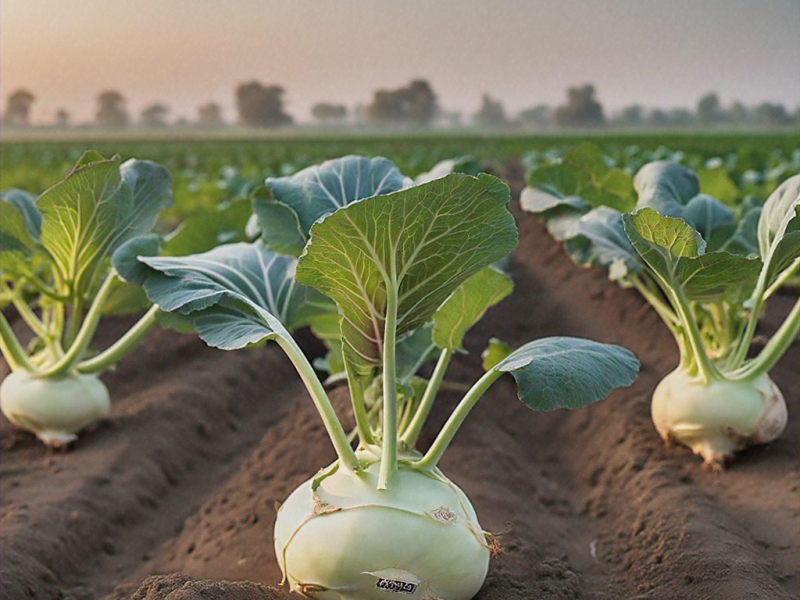
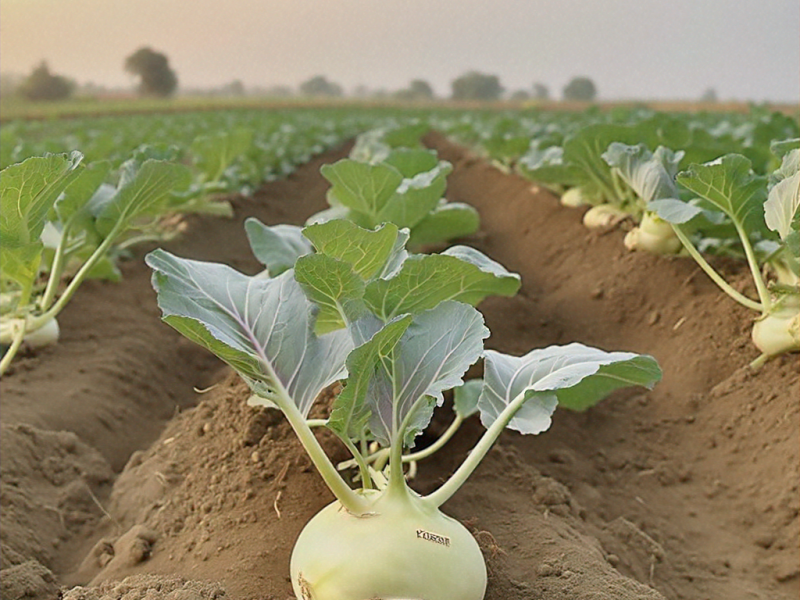
Kohlrabi, scientifically known as Brassica oleracea var. gongylodes, is a cruciferous vegetable that is becoming increasingly popular in Tamil Nadu’s culinary scene. Unlike its better-known cousins, such as broccoli and cauliflower, kohlrabi is characterized by its unique swollen stem, which resembles a bulb and can be consumed either raw or cooked.
Kohlrabi is not only a nutritional powerhouse, but it also offers a wide range of culinary applications. Its crunchy texture and mild, sweet flavor make it a versatile ingredient in a variety of dishes, from salads and stir-fries to curries and pickles. Additionally, kohlrabi is known for its impressive health benefits, as it is rich in essential vitamins, minerals, and antioxidants that can contribute to overall well-being.
Varieties of Kohlrabi Suited for Tamil Nadu
When it comes to kohlrabi cultivation in Tamil Nadu, farmers have the opportunity to choose from a diverse range of varieties, each with its own unique characteristics and adaptability to the region’s climatic conditions. Some of the most popular and recommended varieties for cultivation in Tamil Nadu include:
- Early White Vienna: A fast-growing variety known for its tender, mild-flavored bulbs and short maturity period, making it well-suited for Tamil Nadu’s growing season.
- Purple Vienna: This variety boasts a striking purple exterior and a creamy white interior, adding a vibrant visual appeal to dishes. It is known for its resistance to bolting and adaptability to various soil types.
- Gigante: As the name suggests, this variety produces large, globe-shaped bulbs that can reach up to 8 inches in diameter. It is an excellent choice for farmers looking to maximize their yield per plant.
- Superschmelz: This variety is prized for its exceptionally smooth, tender texture and sweet flavor, making it a favorite among both farmers and consumers in Tamil Nadu.
When selecting the appropriate variety, farmers should consider factors such as maturity period, size, and weather tolerance to ensure optimal growth and yield in their local growing conditions.
Soil Requirements for Kohlrabi Cultivation
Achieving a successful kohlrabi harvest in Tamil Nadu requires a deep understanding of the crop’s soil preferences. Kohlrabi thrives in well-drained, nutrient-rich soils with a slightly acidic to neutral pH range (6.0 to 7.5).
Farmers in Tamil Nadu can prepare their land by incorporating organic matter, such as compost or well-rotted manure, to improve soil structure and fertility. This not only provides essential nutrients for the plants but also enhances water-holding capacity and drainage, creating an optimal growing environment.
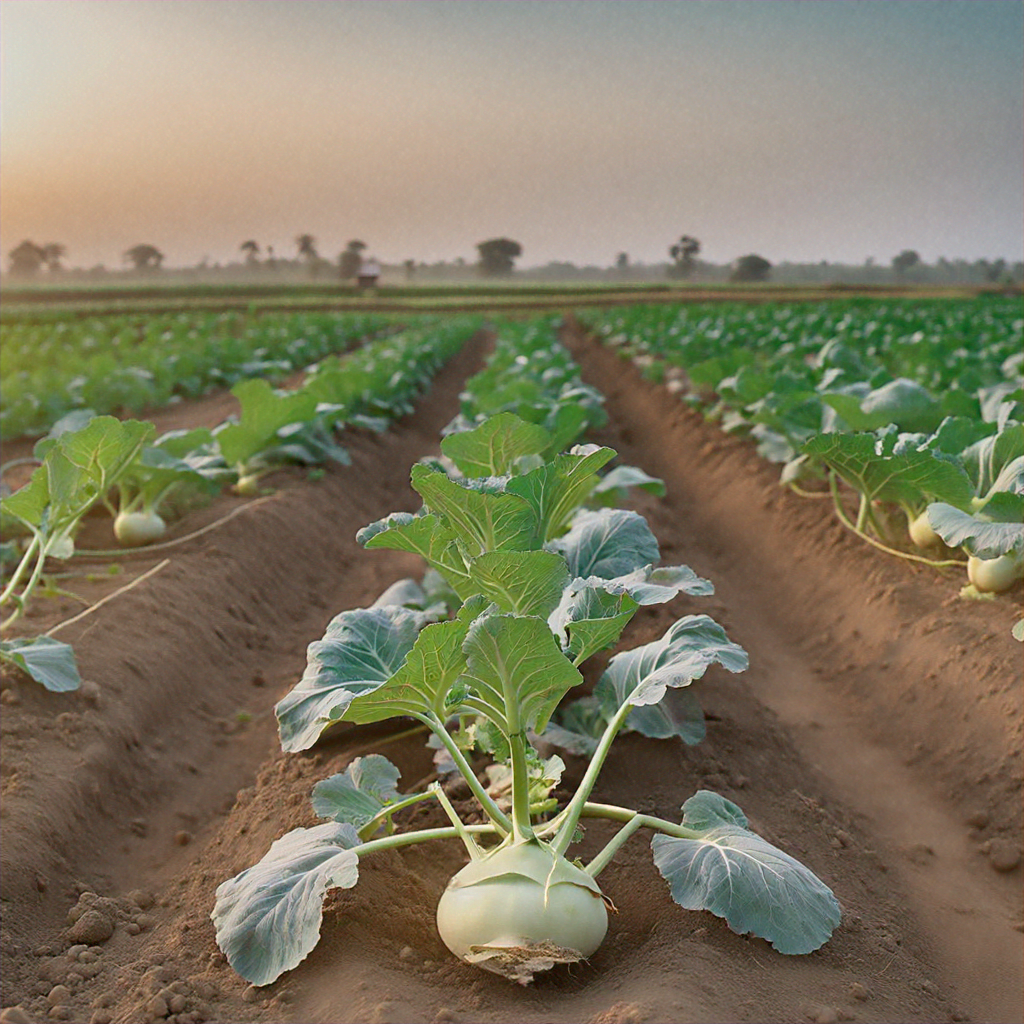
In addition to the soil composition, proper soil preparation is crucial for kohlrabi cultivation. Farmers should ensure that the soil is loose and free of compaction, as kohlrabi roots require ample space to grow and expand. This can be achieved through deep plowing or rototilling, followed by leveling the seed bed to create a smooth, even surface for planting.
Precision Farming Techniques for Kohlrabi Cultivation
To maximize the productivity and quality of kohlrabi crops in Tamil Nadu, farmers are increasingly turning to precision farming techniques that leverage cutting-edge technologies and data-driven approaches. These innovative practices not only enhance yields but also promote sustainable agriculture and contribute to the overall well-being of the farming community.
Precision Planting and Spacing
Precise planting and spacing are crucial for kohlrabi cultivation, as they ensure optimal use of available resources and promote uniform growth. By adopting precise planting techniques, such as the use of GPS-guided planters or precision seeders, farmers can accurately align and space their kohlrabi seedlings, minimizing waste and maximizing land utilization.
Irrigation and Moisture Management
Kohlrabi is a water-sensitive crop, and maintaining optimal soil moisture levels is essential for its growth and development. By integrating IoT-based (Internet of Things) irrigation systems, farmers in Tamil Nadu can monitor soil moisture levels in real-time and precisely control water application. This not only conserves water resources but also reduces the risk of over-watering or under-watering, both of which can have detrimental effects on the crop.
Precision Fertilization
Efficient nutrient management is a key aspect of precision farming for kohlrabi cultivation. By leveraging soil testing and precision application technologies, farmers can tailor their fertilizer regimes to the specific needs of their crops, optimizing nutrient uptake and minimizing wastage. This approach not only enhances crop yields but also contributes to environmental sustainability by reducing the carbon footprint of farming operations.
Integrated Pest and Disease Management
Kohlrabi is susceptible to a range of pests and diseases, which can significantly impact crop yields if not addressed effectively. Precision farming techniques, such as the use of drone-based crop monitoring and predictive analytics, can help farmers in Tamil Nadu detect and mitigate pest and disease outbreaks early on. This allows for targeted and efficient application of organic or biological control measures, reducing the reliance on chemical pesticides and promoting sustainable agriculture.
Harvesting and Post-Harvest Handling
Proper harvesting and post-harvest handling practices are essential to ensure the quality and longevity of kohlrabi crops in Tamil Nadu. Farmers should closely monitor the crop’s growth and maturity, typically harvesting the bulbs when they are 2-4 inches in diameter, usually 50-60 days after sowing.
To ensure optimal freshness and quality, kohlrabi should be harvested in the early morning, when the temperatures are cooler, and the plants are still turgid. Careful handling during the harvesting process, such as avoiding damage to the bulbs and leaves, is crucial to prevent microbial infections and extend the shelf life of the produce.
After harvesting, kohlrabi should be promptly transported to a cool, shaded area for pre-cooling and cleaning. Farmers can utilize evaporative cooling systems or cold storage facilities to maintain the optimal temperature and humidity levels, preserving the crisp texture and delicate flavor of the bulbs.
By adopting these precision farming techniques and post-harvest handling practices, farmers in Tamil Nadu can ensure a consistent supply of high-quality kohlrabi, meeting the growing demand for this versatile and nutritious vegetable in the region.
Conclusion
Kohlrabi cultivation in Tamil Nadu is a promising venture that combines traditional agricultural knowledge with cutting-edge precision farming technologies. By understanding the unique characteristics of various kohlrabi varieties, optimizing soil conditions, and implementing precision farming techniques, farmers in the region can unlock the full potential of this remarkable crop.
The integration of IoT-based systems, data-driven decision-making, and sustainable farming practices not only enhances crop yields but also contributes to the overall well-being of the farming community and the environment. As the demand for nutritious and locally-sourced produce continues to grow, the adoption of precision farming for kohlrabi cultivation in Tamil Nadu can pave the way for a more resilient and prosperous agricultural landscape.