Growing Kohlrabi – Precision & IoT Guide for India: Complete Guide & Best Practices
In the ever-evolving world of modern agriculture, the need for sustainable and efficient farming practices has become increasingly crucial. One such example is the cultivation of kohlrabi, a unique and versatile member of the Brassica family. As India strives to enhance food security and improve the overall well-being of its population, a comprehensive understanding of kohlrabi cultivation, including the integration of precision agriculture and the Internet of Things (IoT), can make a significant difference. In this blog post, we will delve into the complete guide and best practices for growing kohlrabi in India, empowering farmers and enthusiasts alike to adopt cutting-edge techniques for a bountiful harvest.
Understanding Kohlrabi: The Versatile Brassica
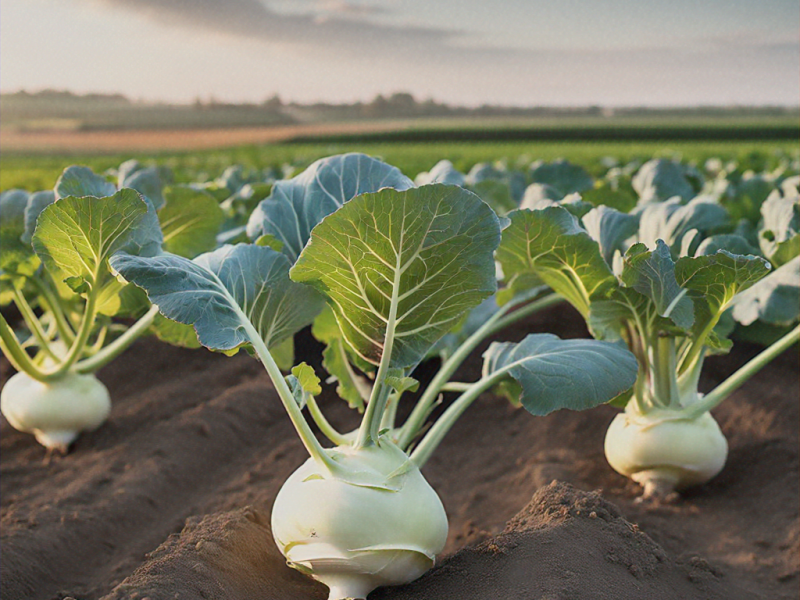
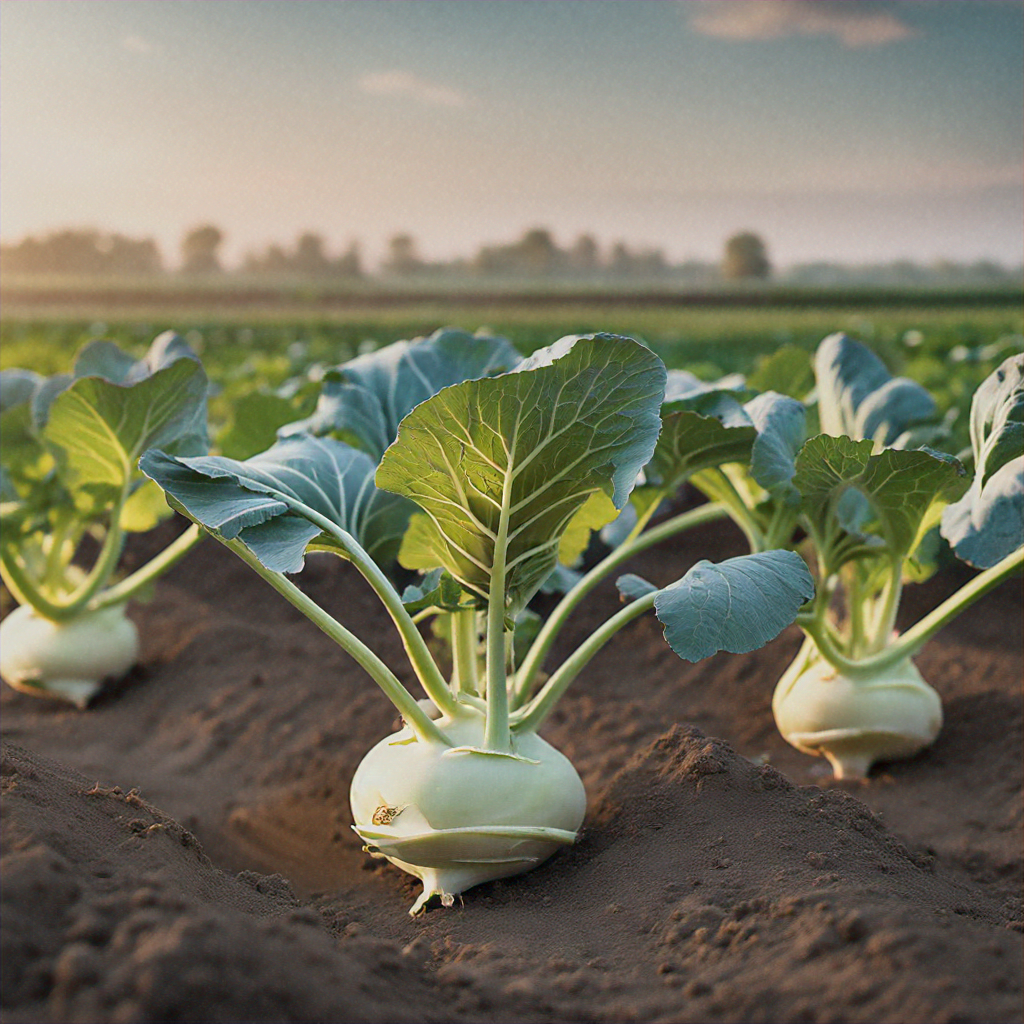
Kohlrabi, often referred to as the “turnip-cabbage,” is a unique vegetable that thrives in temperate climates. It is known for its distinctive swollen stem, which resembles a bulb, and its crisp, slightly sweet flavor that can be enjoyed raw or cooked. Kohlrabi is a rich source of essential vitamins, minerals, and dietary fiber, making it a nutritious addition to any diet.
In the context of Indian agriculture, kohlrabi holds great potential. Its adaptability to diverse climatic conditions and its ability to withstand pests and diseases make it an attractive crop for farmers. Moreover, the growing demand for nutrient-dense and versatile vegetables among health-conscious consumers in India presents a promising market opportunity for kohlrabi growers.
Precision Agriculture: Optimizing Kohlrabi Cultivation
The integration of precision agriculture techniques can revolutionize the way kohlrabi is grown in India. By leveraging cutting-edge technologies, farmers can precisely monitor and manage the various aspects of the cultivation process, leading to increased yields, improved resource efficiency, and reduced environmental impact.
Site Selection and Soil Preparation
Precision agriculture begins with the careful selection of the cultivation site. Using geospatial data and soil analysis tools, farmers can identify the most suitable land with optimal soil composition, drainage, and nutrient levels for kohlrabi growth. This information can guide the necessary soil amendments and preparations, ensuring a robust foundation for the crop.
Precision Planting and Spacing
Precise seeding and planting techniques are crucial for kohlrabi cultivation. Utilizing GPS-guided planting equipment and real-time sensor data, farmers can ensure accurate seed placement, optimal plant spacing, and uniform emergence, ultimately leading to a more efficient use of resources and a healthier, more uniform crop stand.
Targeted Irrigation and Nutrient Management
Precision agriculture enables farmers to precisely monitor and manage the water and nutrient requirements of their kohlrabi crop. By integrating soil moisture sensors, weather stations, and nutrient analysis tools, farmers can tailor their irrigation and fertilization strategies, optimizing water and nutrient use efficiency while minimizing waste and environmental impact.
Pest and Disease Monitoring
Precision agriculture equips farmers with advanced tools for early detection and management of pests and diseases affecting kohlrabi. Remote sensing technologies, such as drones and satellite imagery, can help identify areas of concern, allowing for targeted and timely interventions. This, in turn, leads to reduced chemical inputs, improved crop health, and increased yields.
The Internet of Things (IoT) in Kohlrabi Cultivation
The integration of the Internet of Things (IoT) further enhances the precision and efficiency of kohlrabi cultivation in India. By leveraging a network of interconnected sensors, devices, and data analysis platforms, farmers can harness real-time insights and make informed decisions throughout the crop’s lifecycle.
Automated Monitoring and Control
IoT-enabled sensors can continuously monitor various parameters, such as soil moisture, nutrient levels, air temperature, and humidity. This data is transmitted to a central platform, allowing farmers to remotely monitor and control critical aspects of the cultivation process, ensuring optimal growing conditions for kohlrabi.
Predictive Analytics and Decision Support
By integrating IoT data with advanced analytics and machine learning algorithms, farmers can gain valuable insights and forecasts that inform their decision-making. This includes predicting pest and disease outbreaks, optimizing resource allocation, and anticipating yield fluctuations, enabling proactive and responsive management strategies.
Precision Irrigation and Fertigation
IoT-powered irrigation and fertigation systems can precisely control the delivery of water and nutrients to the kohlrabi crop. These systems can automatically adjust based on real-time sensor data, ensuring that the plants receive the exact amount of resources they require, minimizing waste and maximizing productivity.
Collaborative Platforms and Knowledge Sharing
IoT-based platforms can facilitate the exchange of valuable information and best practices among kohlrabi growers, extension services, and agricultural experts. This collaborative approach can accelerate the adoption of innovative techniques, foster knowledge sharing, and continuously improve the efficiency and sustainability of kohlrabi cultivation in India.
Best Practices for Kohlrabi Cultivation
In addition to the integration of precision agriculture and IoT, there are several best practices that can contribute to successful kohlrabi cultivation in India:
Variety Selection
- Choose kohlrabi varieties that are well-suited to the local climatic conditions and intended use (e.g., fresh consumption, storage, or processing).
- Consider factors such as maturity time, size, color, and flavor profiles to match your target market preferences.
Crop Rotation and Companion Planting
- Implement a sustainable crop rotation system that includes kohlrabi to maintain soil fertility and break pest and disease cycles.
- Explore companion planting techniques, such as pairing kohlrabi with aromatic herbs or fast-growing annuals, to enhance biodiversity and natural pest control.
Organic Matter and Nutrient Management
- Regularly incorporate organic amendments, such as compost or well-rotted manure, to improve soil structure and nutrient availability.
- Conduct soil tests and follow a balanced fertilization program to meet the specific nutrient requirements of the kohlrabi crop.
Timely Harvesting and Post-Harvest Handling
- Harvest kohlrabi at the optimal maturity stage, when the stems are still tender and the flavor is at its peak.
- Handle the harvested kohlrabi with care to minimize damage and extend the shelf life, ensuring high-quality produce for the market.
Conclusion
The cultivation of kohlrabi in India holds immense potential, especially when combined with the power of precision agriculture and the Internet of Things. By leveraging these advanced techniques, farmers can optimize resource use, enhance crop health, and improve overall productivity, contributing to the broader goals of food security and human welfare. This comprehensive guide has highlighted the key aspects of growing kohlrabi, from site selection and soil preparation to targeted irrigation and pest management, as well as the integration of IoT-powered solutions. By adopting these best practices, Indian farmers can unlock the true potential of this versatile and nutritious crop, positioning themselves for success in the rapidly evolving agricultural landscape.