Kohlrabi Cultivation in Europe: Precision & IoT Guide – Varieties, Soil & Harvest
In the ever-evolving world of agriculture, the cultivation of kohlrabi, a versatile and nutrient-dense vegetable, has gained significant attention in Europe. As the demand for locally-sourced, sustainable produce continues to rise, farmers and agricultural enthusiasts are exploring innovative techniques to optimize kohlrabi cultivation. This comprehensive guide will delve into the intricacies of kohlrabi cultivation, from selecting the right varieties to leveraging the power of precision farming and Internet of Things (IoT) technologies to ensure a bountiful harvest.
Kohlrabi Varieties: Exploring the Diversity
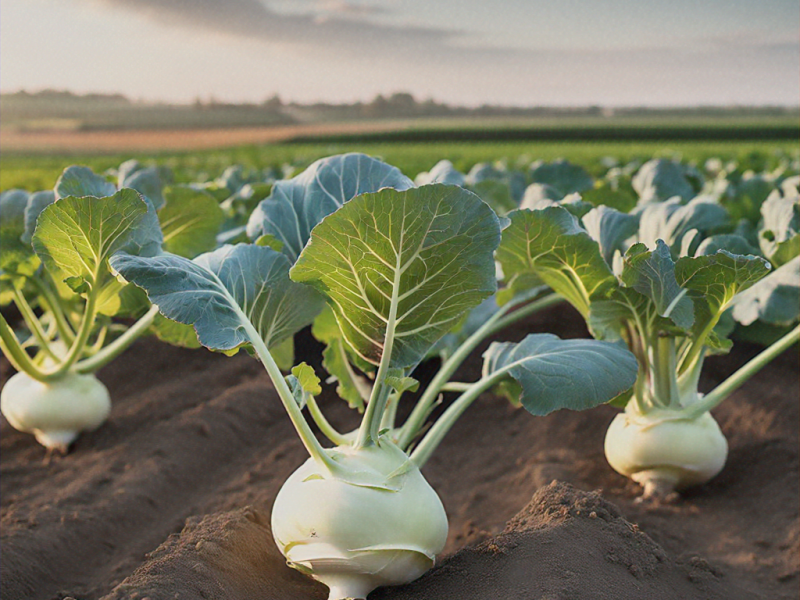
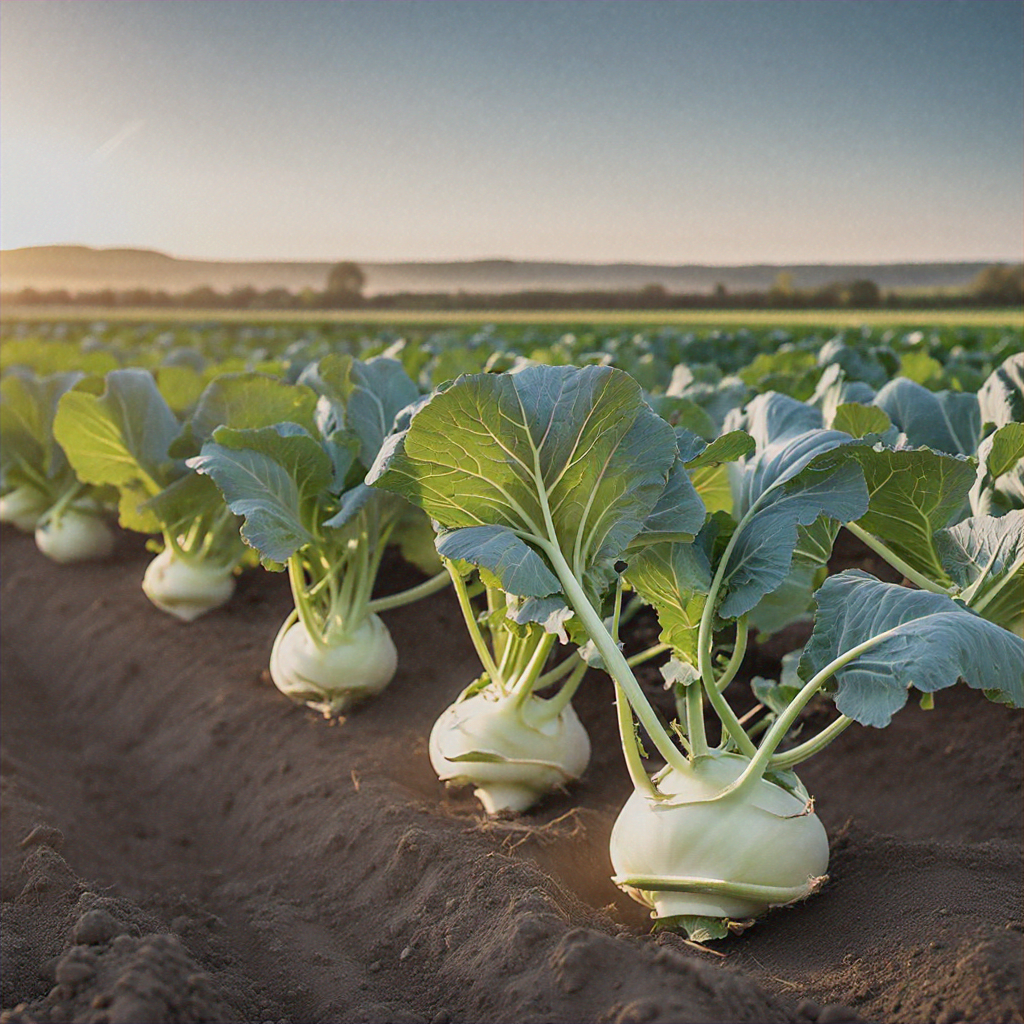
Kohlrabi, a member of the Brassica family, is known for its unique, bulbous stem that can be consumed both raw and cooked. Europe boasts a diverse array of kohlrabi varieties, each with its own distinct characteristics and culinary applications. Some of the most popular varieties include:
- Early White Vienna: A classic variety known for its crisp, mild-flavored white flesh and rapid maturation, making it a popular choice for early-season harvests.
- Purple Vienna: Featuring a striking purple exterior and a creamy white interior, this variety offers a vibrant addition to salads and slaws.
- Superschmelz: A German heirloom variety prized for its exceptionally tender and sweet flesh, perfect for roasting and braising.
- Kossak: A large-sized variety with a delicate, nutty flavor and a low-fiber content, ideal for versatile culinary applications.
When selecting kohlrabi varieties, farmers must consider factors such as maturity time, climate adaptability, and end-use to ensure the best fit for their local growing conditions and market demands.
Precision Farming Techniques for Optimal Kohlrabi Growth
In the pursuit of sustainable and efficient kohlrabi cultivation, European farmers are increasingly embracing precision farming techniques. By leveraging advanced technologies and data-driven insights, growers can optimize every stage of the cultivation process, from soil preparation to pest management.
Soil Preparation and Nutrient Management
Kohlrabi thrives in well-drained, nutrient-rich soils with a slightly acidic pH ranging from 6.0 to 6.8. Precision farming technologies, such as soil mapping and nutrient analysis, allow farmers to precisely assess their soil’s composition and tailor their fertilizer application accordingly. This targeted approach ensures that the plants receive the optimal balance of essential nutrients, reducing waste and minimizing environmental impact.
Precision Planting and Spacing
Precise planting and spacing are crucial for maximizing kohlrabi yields. Advanced GPS-guided planters and robotic transplanters enable farmers to achieve uniform plant spacing, ensuring efficient use of available resources and optimal light exposure for each plant. By automating these labor-intensive tasks, farmers can save time and resources while maintaining strict quality control.
Targeted Irrigation and Water Management
Kohlrabi requires consistent moisture throughout its growing season, but excessive irrigation can lead to waterlogging and root rot. Precision irrigation systems, such as drip or subsurface irrigation, combined with soil moisture sensors and weather data, allow farmers to precisely monitor and adjust water application based on the plant’s needs. This targeted approach not only conserves water but also promotes healthier root development and reduces the risk of disease.
Integrated Pest Management (IPM)
Pests and diseases can pose significant challenges to kohlrabi cultivation. Precision farming techniques, including drone-based scouting, predictive modeling, and targeted application of organic or bio-based pesticides, enable farmers to identify and address pest and disease issues quickly and effectively. This integrated approach reduces the reliance on synthetic chemicals, supports biodiversity, and ensures the long-term sustainability of kohlrabi production.
Leveraging IoT for Precision Kohlrabi Cultivation
The integration of Internet of Things (IoT) technologies has transformed the way farmers approach kohlrabi cultivation, allowing for greater precision, efficiency, and data-driven decision-making.
Sensor Networks and Real-Time Monitoring
IoT-enabled sensor networks are revolutionizing kohlrabi cultivation by providing farmers with real-time, hyper-local data on soil moisture, nutrient levels, temperature, and other crucial environmental factors. By continuously monitoring these parameters, farmers can make informed decisions on irrigation, fertilization, and pest management, optimizing the growing conditions for their kohlrabi crops.
Automated Irrigation and Fertigation Systems
IoT-connected irrigation and fertigation (combined irrigation and fertilization) systems allow farmers to precisely control water and nutrient application, ensuring that the kohlrabi plants receive the exact resources they need, when they need them. These automated systems, coupled with predictive analytics, can anticipate crop water and nutrient requirements, further enhancing the efficiency and sustainability of kohlrabi cultivation.
Precision Spraying and Robotic Applications
IoT-enabled spraying systems and robotic applications are transforming the way farmers manage pest and disease control in kohlrabi crops. Autonomous drones and ground-based robots can be programmed to precisely target affected areas, reducing the use of chemicals and minimizing waste. This targeted approach not only improves the efficacy of pest and disease management but also protects the surrounding ecosystem.
Data-Driven Decision Support
The wealth of data generated by IoT-enabled precision farming systems provides farmers with valuable insights to optimize every aspect of kohlrabi cultivation. Advanced analytics and machine learning algorithms can identify patterns, predict crop performance, and recommend tailored management strategies. This data-driven approach empowers farmers to make informed decisions, improve yields, and enhance the overall sustainability of their kohlrabi operations.
Harvesting and Post-Harvest Handling
Proper harvesting and post-harvest handling are critical for ensuring the quality and longevity of kohlrabi produce. European farmers are employing a range of techniques to optimize this crucial stage of the cultivation process.
Optimal Harvest Timing
Kohlrabi is typically harvested when the stems are 2-4 inches in diameter, usually 45-60 days after planting. Precision farming tools, such as growth models and maturity sensors, help farmers determine the ideal harvest time, ensuring that the kohlrabi is harvested at the peak of freshness and flavor.
Gentle Handling and Storage
Kohlrabi is a delicate crop that requires careful handling to prevent bruising and damage. European farmers are using specialized harvesting equipment, such as hand-operated or small-scale mechanical harvesters, to gently remove the kohlrabi from the soil. Post-harvest, the produce is promptly cooled, often using forced-air cooling systems, to extend its shelf life and maintain optimal freshness.
Value-Added Processing
To maximize the utilization of the kohlrabi harvest, European farmers are exploring value-added processing techniques. This includes slicing, shredding, or juicing the kohlrabi to create convenience products, such as ready-to-eat salad mixes or juice blends. By diversifying their product offerings, farmers can tap into new market opportunities and minimize food waste.
Conclusion
The cultivation of kohlrabi in Europe has evolved beyond traditional methods, embracing the power of precision farming and IoT technologies. By leveraging data-driven insights, automated systems, and targeted management strategies, European farmers are able to optimize every aspect of kohlrabi production, from soil preparation to post-harvest handling. This holistic approach not only enhances yields and product quality but also promotes environmental sustainability and supports the growing demand for locally-sourced, nutrient-rich produce. As the agricultural landscape continues to transform, the future of kohlrabi cultivation in Europe looks bright, with the promise of even greater efficiency, innovation, and a deeper connection between farmers, consumers, and the land.