Growing Koelreuteria – Plant Doctor & Care for India: Complete Guide & Best Practices
In the vast and diverse landscape of India, where nature and human ingenuity intertwine, there is one tree that stands out as a symbol of resilience and beauty – the Koelreuteria. This captivating species, with its vibrant flowers and unique seed pods, has captured the hearts of gardeners and nature enthusiasts alike. In this comprehensive guide, we delve into the world of Koelreuteria, exploring its cultivation, care, and the best practices for growing this remarkable plant in the Indian context.
Understanding Koelreuteria
Koelreuteria, commonly known as the Golden Rain Tree or the Taiwanese Rain Tree, is a deciduous tree native to parts of Asia, including India. It belongs to the Sapindaceae family and is renowned for its striking appearance, particularly during the flowering season when it bursts into a magnificent display of golden-yellow blossoms.
The Koelreuteria tree can grow up to 40 feet (12 meters) in height, with a broad, spreading canopy and a trunk that can reach up to 2 feet (60 cm) in diameter. Its leaves are pinnately compound, with each leaf consisting of several leaflets that turn vibrant shades of yellow, orange, and red in the autumn, adding to the tree’s visual appeal.
Growing Koelreuteria in India
India’s diverse climatic conditions make it an ideal location for cultivating Koelreuteria. From the temperate regions of the Himalayas to the tropical landscapes of the south, this resilient tree thrives in a wide range of environments. However, it is essential to consider the specific requirements and best practices for growing Koelreuteria in the Indian context.
Soil and Site Selection
Koelreuteria prefers well-drained, fertile soil with a slightly acidic to neutral pH range (6.0-7.5). It can tolerate a variety of soil types, from sandy to clay-based, as long as the soil is well-aerated and nutrient-rich. When selecting a planting site, choose an area that receives full sun exposure, as Koelreuteria thrives in locations with ample sunlight.
Planting and Establishment
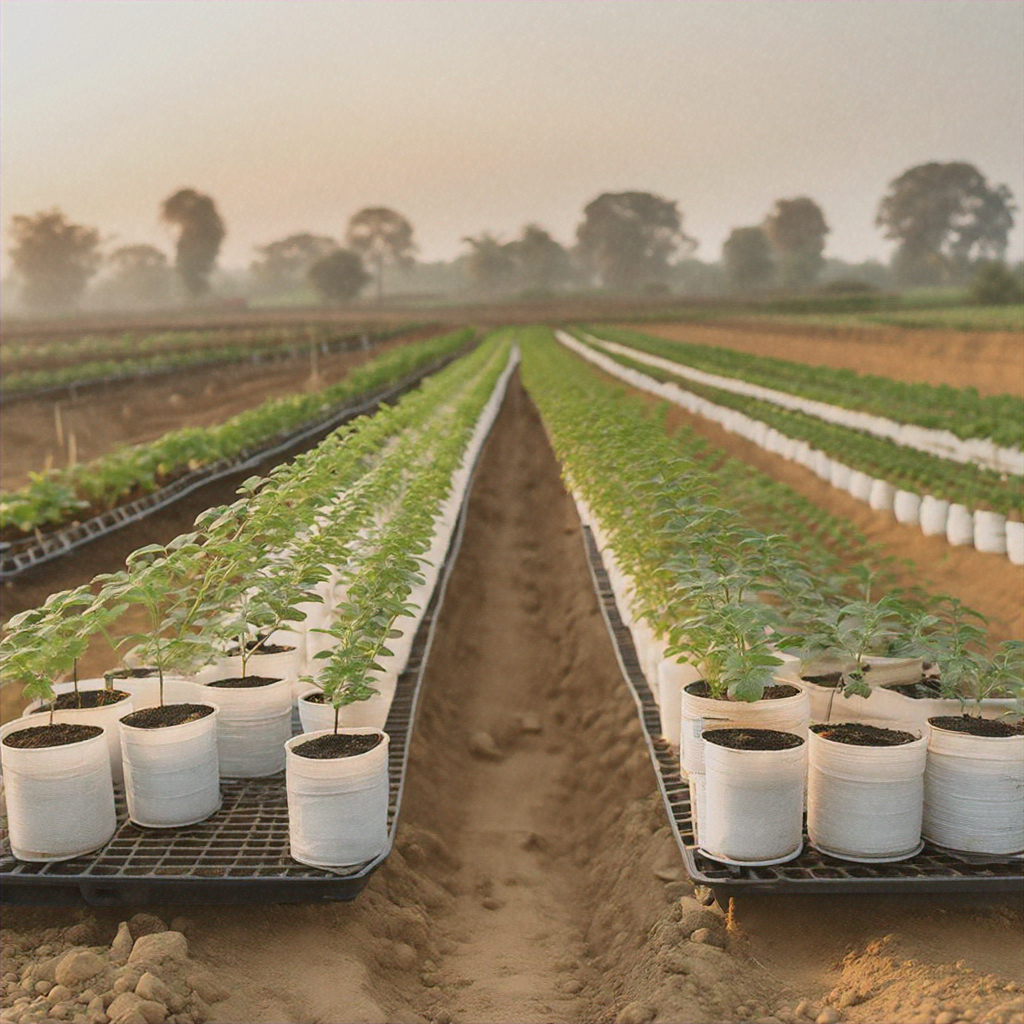
The ideal time to plant Koelreuteria in India is during the monsoon season, typically between June and August, when the soil is moist and the weather is mild. Prepare the planting hole, which should be twice the width of the root ball and slightly shallower. Gently remove the tree from its container and place it in the hole, ensuring that the root flare (the point where the roots meet the trunk) is level with the surrounding soil. Backfill the hole with the original soil, taking care not to bury the root flare, and water thoroughly.
During the establishment phase, which can take 1-2 years, it is crucial to maintain consistent moisture levels in the soil. Water the tree regularly, ensuring that the soil is consistently moist but not waterlogged. Mulch the area around the tree with 2-4 inches (5-10 cm) of organic material, such as wood chips or shredded bark, to retain soil moisture and suppress weed growth.
Ongoing Care and Maintenance
Once the Koelreuteria tree is established, it requires minimal maintenance. However, there are a few key aspects to consider for its long-term health and vigor:
- Watering: Mature Koelreuteria trees are drought-tolerant and can withstand periods of dry weather. However, during extended dry spells, provide supplemental water to the root zone to prevent stress and maintain healthy growth.
- Fertilization: Apply a balanced, slow-release fertilizer in early spring, following the manufacturer’s instructions. This will provide the necessary nutrients for the tree’s growth and flowering.
- Pruning: Prune Koelreuteria trees in late winter or early spring, before new growth emerges. Focus on removing any dead, damaged, or crossing branches to maintain a well-shaped, structurally sound tree.
- Pest and Disease Management: Koelreuteria is generally a hardy tree, but it may be susceptible to certain pests and diseases, such as leaf scorch, scale insects, or fungal infections. Monitor the tree regularly and address any issues promptly using appropriate, eco-friendly solutions.
Harvesting and Utilization
The striking features of the Koelreuteria tree make it a popular choice for landscaping and ornamental purposes. The vibrant yellow flowers, which appear in late spring or early summer, are a sight to behold and can be used in various ways:
- Floral Arrangements: The showy blooms can be harvested and used in bouquets, wreaths, and other decorative arrangements, adding a touch of natural beauty to any space.
- Culinary Applications: The flowers of the Koelreuteria tree are edible and can be used in salads, as a garnish, or even to make tea, adding a unique flavor profile to various culinary creations.
- Medicinal Uses: In traditional Chinese and Indian medicine, the Koelreuteria tree has been used to treat various ailments, such as inflammation, digestive issues, and skin conditions. However, it is essential to consult with a qualified healthcare professional before using any plant-based remedies.
Beyond the flowers, the seed pods of the Koelreuteria tree are also noteworthy. These distinctive, lantern-shaped pods can be harvested and used in various craft projects, such as decorative displays or as natural elements in art and design.
Environmental Benefits
The Koelreuteria tree is not only a stunning addition to the landscape but also plays a vital role in the ecosystem. Its spreading canopy provides valuable shade, reducing the urban heat island effect and helping to cool the surrounding environment. Additionally, the tree’s deep root system helps to stabilize soil, prevent erosion, and improve water infiltration, contributing to overall soil health and water management.
Koelreuteria is also a valuable resource for local wildlife. Its nectar-rich flowers attract a variety of pollinators, such as bees and butterflies, supporting the biodiversity of the region. The tree’s foliage and seed pods also provide food and shelter for birds and other small animals, making it an integral part of the local ecosystem.
Conclusion
The Koelreuteria tree, with its captivating beauty and unique characteristics, is a true gem in the Indian landscape. By understanding its cultivation requirements, following best practices, and appreciating its environmental and cultural significance, gardeners and nature enthusiasts can contribute to the preservation and enhancement of this remarkable species. Whether you are a seasoned horticulturist or a passionate plant enthusiast, growing Koelreuteria in India can be a rewarding and enriching experience that celebrates the harmony between nature and human ingenuity.