Cultivating the Captivating Koelreuteria in Asia: A Comprehensive Guide for Successful Growth
In the realm of ornamental trees, the Koelreuteria, commonly known as the Golden Rain Tree, stands out as a true gem. Native to Asia, this deciduous tree has captured the hearts of gardeners and landscapers alike with its vibrant, showy blooms and captivating foliage. Whether you’re a seasoned horticulturist or a budding plant enthusiast, mastering the art of growing Koelreuteria in Asia can be a rewarding and enriching experience. In this comprehensive guide, we’ll delve into the essential aspects of Koelreuteria cultivation, ensuring you have the knowledge and tools to nurture this stunning tree to its full potential.
Understanding the Koelreuteria
The Koelreuteria is a member of the Sapindaceae family, boasting a diverse range of species that thrive in various regions of Asia. From the well-known Koelreuteria paniculata, native to China and Japan, to the lesser-known Koelreuteria bipinnata, indigenous to southern China and Taiwan, each species offers unique characteristics that can captivate the discerning gardener.
These trees are revered for their vibrant, golden-yellow panicle-shaped flowers that bloom in the summer, cascading over the foliage like a shimmering veil. As the flowers fade, they give way to distinctive, papery seed pods that add an additional layer of visual interest to the landscape.
Site Selection and Soil Preparation
The first step in successfully growing Koelreuteria in Asia is to choose the right planting location. These trees thrive in well-drained, moderately fertile soil that is slightly acidic to neutral in pH. Avoid areas with poor drainage, as Koelreuteria are susceptible to root rot in waterlogged conditions.
Before planting, prepare the soil by incorporating organic matter, such as compost or well-rotted manure, to improve drainage and nutrient content. This will provide the tree with the necessary nutrients and create a hospitable environment for its roots to establish and flourish.
Planting and Transplanting
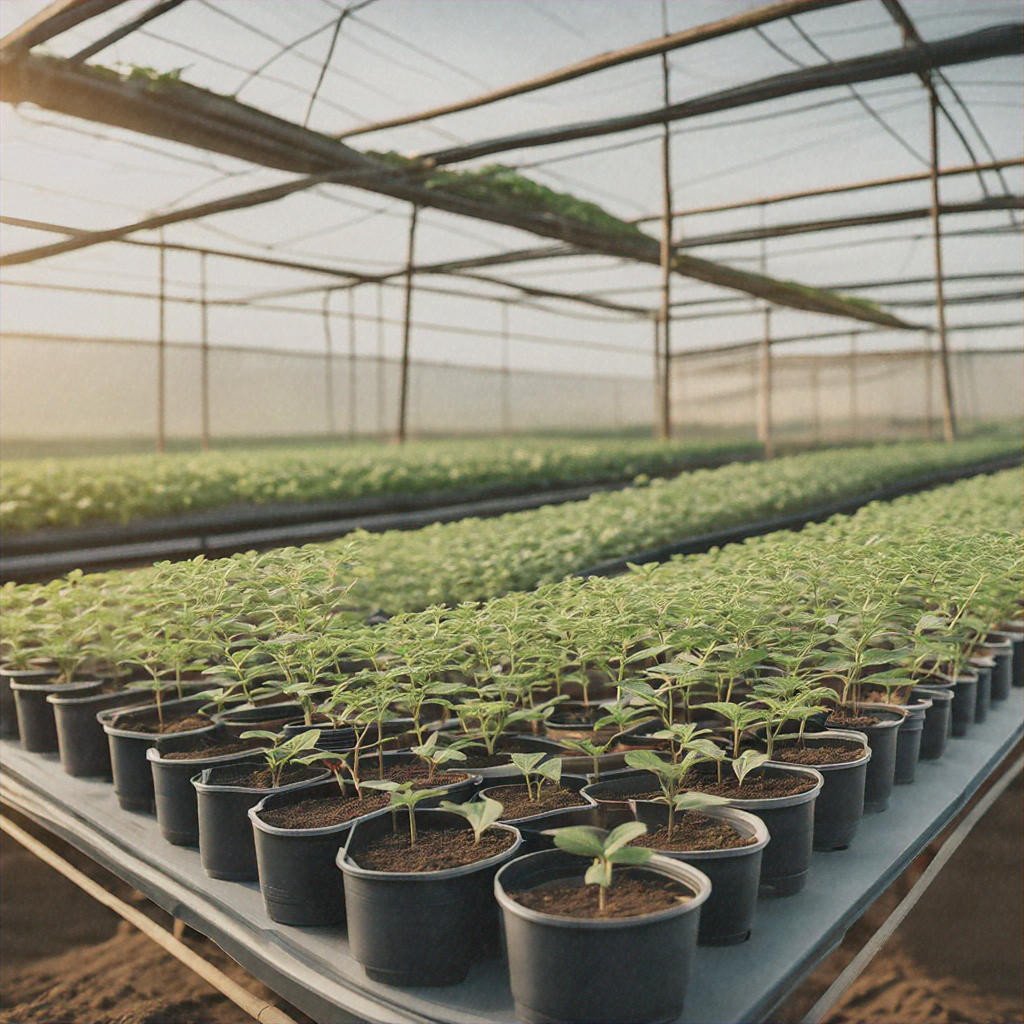
The optimal time to plant Koelreuteria in Asia is during the spring or early fall, when temperatures are mild, and the soil is moist but not waterlogged. When transplanting a Koelreuteria, be sure to dig a hole that is two to three times the width of the root ball and just as deep.
Gently remove the tree from its container or burlap wrap, being careful not to damage the root system. Place the tree in the prepared hole and backfill with the excavated soil, ensuring that the top of the root ball is level with the surrounding soil. Water the tree thoroughly to settle the soil and eliminate any air pockets.
Watering and Moisture Requirements
Proper watering is crucial for the successful growth and establishment of Koelreuteria. During the first year after planting, water the tree deeply and regularly, ensuring the soil remains consistently moist but not waterlogged.
Once the tree is established, typically after the first year, you can gradually reduce the watering frequency. However, it’s important to monitor the soil and provide supplemental water during periods of drought or extended dry spells to prevent the tree from becoming stressed.
Sunlight and Temperature Preferences
Koelreuteria thrive in full sun, requiring at least six hours of direct sunlight per day. In areas with intense summer heat, providing some afternoon shade can help prevent leaf scorch and protect the tree’s overall health.
These trees are generally hardy and can tolerate a wide range of temperatures, making them well-suited for many regions in Asia. However, they may not perform as well in areas with prolonged, severe cold snaps or frost, as they are not particularly cold-hardy.
Fertilization and Nutrient Requirements
To ensure optimal growth and vibrant blooms, Koelreuteria benefit from regular fertilization. Apply a balanced, slow-release fertilizer in early spring, following the manufacturer’s instructions for dosage and application. Avoid over-fertilizing, as this can lead to excessive foliage growth at the expense of flower production.
Additionally, monitor the tree’s leaves for signs of nutrient deficiencies, such as yellowing or discoloration, and adjust the fertilization regimen accordingly.
Pruning and Shaping
Pruning Koelreuteria is essential to maintain their natural, attractive form and promote healthy growth. Aim to prune the tree in late winter or early spring, before new growth emerges.
Remove any dead, damaged, or crossing branches, and thin out the interior of the canopy to allow for better air circulation and light penetration. Avoid pruning during the summer months, as this can stress the tree and potentially impact its flowering.
Pest and Disease Management
Koelreuteria are generally quite resilient and relatively pest-free, but they can be susceptible to certain issues that gardeners should be aware of:
- Aphids: These small, sap-sucking insects can infest the leaves and new growth, causing distortion and discoloration. Treat with an insecticidal soap or neem oil solution.
- Scale insects: These tiny, scale-like pests can attach themselves to the bark and leaves, inhibiting the tree’s ability to photosynthesize. Use horticultural oils or insecticidal sprays to control the infestation.
- Leaf scorch: Caused by excessive heat, drought, or wind, leaf scorch can lead to the browning and curling of the foliage. Ensure proper watering and provide shade during the hottest hours of the day.
- Root rot: Caused by poor drainage or overwatering, root rot can be a serious issue for Koelreuteria. Ensure the soil is well-draining and avoid letting the tree sit in waterlogged conditions.
By vigilantly monitoring your Koelreuteria and addressing any issues as they arise, you can maintain the health and vigor of your tree.
Cultivars and Varieties
While the Koelreuteria paniculata is the most well-known and widely cultivated species, there are several other varieties that gardeners in Asia may consider:
- Koelreuteria bipinnata: Also known as the Chinese Flame Tree, this species is native to southern China and Taiwan, offering a slightly more compact and upright growth habit.
- Koelreuteria elegans: This cultivar, often referred to as the Elegant Koelreuteria, features more finely divided, lacy foliage and a slightly smaller stature, making it well-suited for smaller garden spaces.
- Koelreuteria paniculata ‘Fastigiata’: This upright, columnar variety of the Koelreuteria paniculata is an excellent choice for tight, urban landscapes or as a focal point in the garden.
Each of these Koelreuteria cultivars brings its own unique charm and characteristics, allowing gardeners to select the variety that best suits their climate, available space, and personal aesthetic preferences.
Harvesting and Propagation
The Koelreuteria is not typically grown for its edible fruits or seeds, as they are not commonly consumed. However, the distinctive seed pods can be harvested and used in various decorative and craft projects.
For those interested in propagating Koelreuteria, the most common methods are through seed collection and germination, as well as through softwood cuttings taken in the spring or early summer. With patience and attention to detail, gardeners can successfully propagate these trees and expand their Koelreuteria collection.
Conclusion
The Koelreuteria, with its vibrant blooms and captivating foliage, is a true standout in the world of ornamental trees. By understanding the specific cultivation requirements and addressing potential challenges, gardeners in Asia can successfully grow and enjoy these magnificent trees, contributing to the overall beauty and ecological balance of their local landscapes.
Whether you’re a seasoned horticulturist or a novice gardener, the journey of cultivating Koelreuteria in Asia is filled with the promise of rewarding experiences, personal growth, and the deep satisfaction that comes from nurturing nature’s wonders. So, embark on this horticultural adventure, and let the Golden Rain Tree enchant your senses and enrich your surroundings.