Growing Kochia – Kitchen & Harvest for China: Complete Guide & Best Practices
In the vast and diverse world of agriculture, there are many plants that offer not only culinary delights but also remarkable adaptability to various climates. One such plant is Kochia, a hardy and versatile crop that has gained significant attention in China for its potential to enhance food security and improve human welfare. In this comprehensive guide, we will explore the art of growing Kochia, its culinary applications, and the best practices for successful cultivation in the Chinese context.
Understanding Kochia
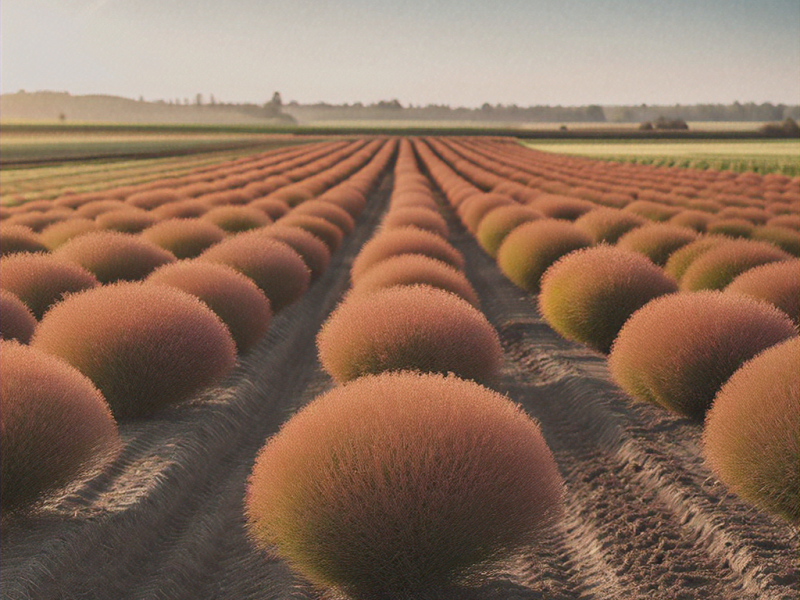
Kochia, also known as Kochia scoparia or summer cypress, is a fast-growing, drought-tolerant annual plant that belongs to the Amaranthaceae family. Native to Eurasia, Kochia has found a thriving home in China’s diverse climatic regions, from the arid northwestern provinces to the temperate eastern coastal areas.
Kochia’s adaptability lies in its ability to tolerate a wide range of soil types, from sandy to clay-based, and its resilience to harsh environmental conditions, including high temperatures, low rainfall, and even saline soils. This makes Kochia an attractive crop for small-scale farmers and large-scale agricultural operations alike, as it can thrive in areas where traditional crops may struggle.
Culinary Delights from Kochia
Beyond its agronomic benefits, Kochia has also gained popularity in Chinese cuisine for its versatile and nutritious properties. The young, tender leaves and stems of Kochia can be used in a variety of dishes, ranging from stir-fries and soups to salads and side dishes.
Kochia leaves are packed with essential nutrients, including vitamins A, C, and K, as well as minerals such as calcium, iron, and magnesium. Additionally, Kochia is a rich source of dietary fiber, making it a valuable addition to a balanced and healthy diet.
In traditional Chinese cuisine, Kochia is often used in dishes that highlight its unique flavor profile, which can be described as a delicate balance between savory and slightly sweet. The leaves and stems can be prepared in a variety of ways, including:
- Stir-fried with garlic, ginger, and soy sauce
- Steamed and tossed with sesame oil and toasted sesame seeds
- Incorporated into soups and stews for added texture and nutrition
- Pickled or fermented for long-term storage and unique flavor profiles
Cultivating Kochia: Best Practices for China
To ensure successful Kochia cultivation in China, it is essential to follow a set of best practices that consider the region’s unique climate, soil conditions, and agricultural practices. Here are some key guidelines to keep in mind:
Site Selection and Soil Preparation
Kochia thrives in well-drained, sandy or loamy soils with a neutral to slightly alkaline pH range (6.5-8.0). When selecting a planting site, look for areas with full sun exposure and good air circulation to prevent disease and promote healthy growth.
Before planting, prepare the soil by loosening it to a depth of 6-8 inches (15-20 cm) and incorporating organic matter, such as compost or well-rotted manure, to improve soil structure and fertility. This will help ensure that Kochia plants have access to the necessary nutrients for robust growth.
Planting and Spacing
Kochia can be grown from seed, which should be sown directly into the prepared soil after the last frost has passed. Optimal planting time varies across different regions of China, but generally, it is recommended to sow the seeds in early spring or late summer, depending on the local climate.
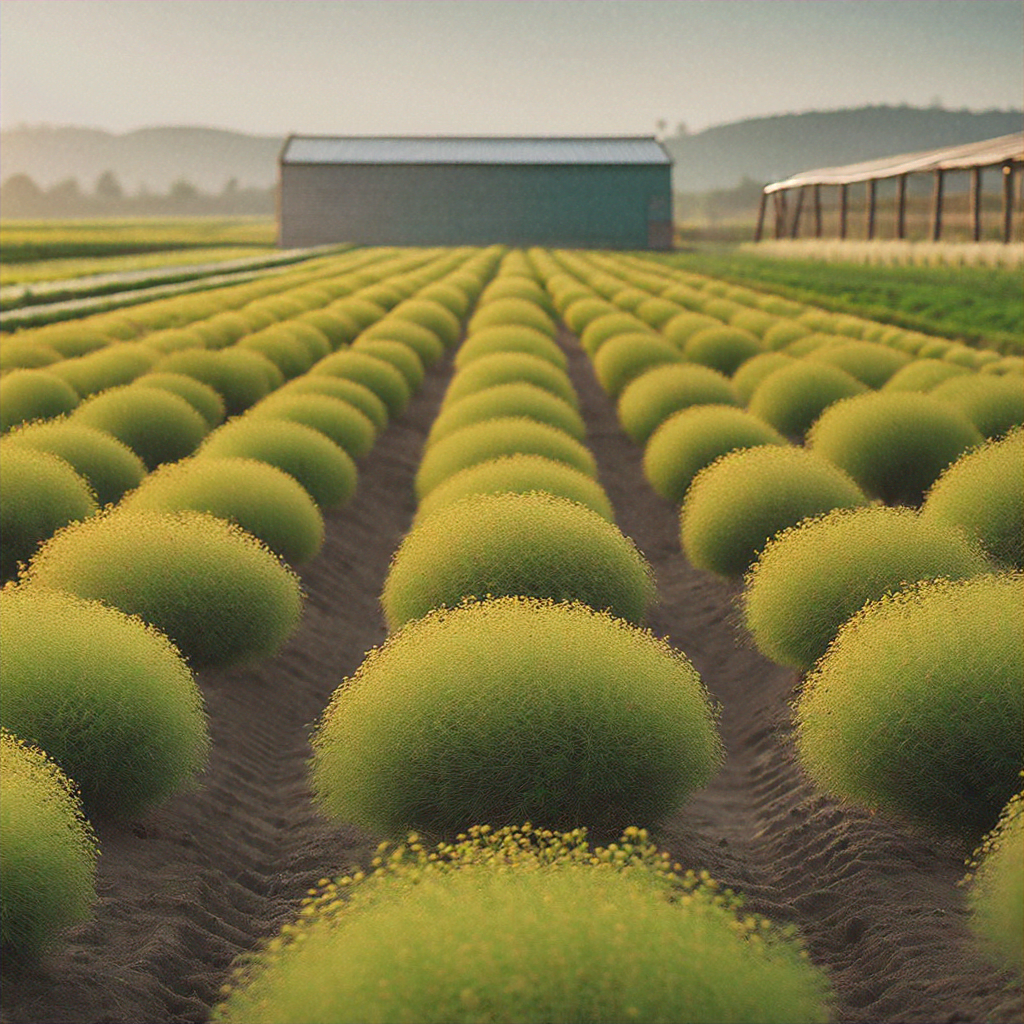
Space the seeds about 12-18 inches (30-45 cm) apart in rows, with a spacing of 18-24 inches (45-60 cm) between rows. This will allow for proper air circulation and prevent overcrowding, which can lead to disease and reduced yields.
Irrigation and Water Management
Kochia is a drought-tolerant plant, but it does require consistent moisture during the early growth stages to establish a strong root system. Once the plants are established, they can tolerate periods of low rainfall, making them an excellent choice for regions with limited water resources.
Aim to provide 1-2 inches (2.5-5 cm) of water per week, either through natural rainfall or supplemental irrigation, especially during the peak growing season. Avoid overwatering, as this can lead to root rot and other water-related diseases.
Fertilization and Nutrient Management
Kochia is a relatively light feeder, but it will benefit from the application of organic or balanced NPK fertilizers to ensure optimal growth and yield. Incorporate a slow-release fertilizer into the soil before planting, and consider applying a liquid or foliar fertilizer during the growing season to provide a boost of essential nutrients.
Pay close attention to the soil’s nutrient levels and adjust the fertilizer regimen accordingly. Excessive fertilization can lead to lush foliage growth at the expense of seed production, so it’s essential to find the right balance for your specific growing conditions.
Pest and Disease Management
Kochia is generally a hardy and disease-resistant crop, but it can be susceptible to a few pests and diseases, such as aphids, spider mites, and powdery mildew. To minimize the impact of these issues, implement an integrated pest management (IPM) approach that combines cultural, mechanical, and, if necessary, selective organic or biological control methods.
Regular monitoring, proper sanitation, and the use of beneficial insects or organic pesticides can help keep pests and diseases at bay, ensuring the long-term health and productivity of your Kochia crop.
Harvest and Post-Harvest Handling
Kochia can be harvested throughout the growing season, with the most tender and flavorful leaves and stems being available in the early to mid-summer months. For maximum freshness and nutrient retention, harvest the plants in the morning, when the leaves are turgid and the temperature is cooler.
Gently cut the stems just above the soil line, leaving a few inches of growth to allow for regrowth and subsequent harvests. Carefully clean the harvested leaves and stems, removing any damaged or discolored portions, and store them in a cool, dry place or refrigerate them for short-term use.
For long-term storage and preservation, Kochia can be dried, pickled, or fermented, allowing you to enjoy its unique flavors and nutritional benefits throughout the year.
Conclusion
Kochia, with its remarkable adaptability, nutritional profile, and culinary versatility, holds immense potential for enhancing food security and improving human welfare in China. By following the best practices outlined in this guide, farmers and gardeners across the country can successfully cultivate this versatile crop, contributing to a more sustainable and diverse agricultural landscape.
As the demand for nutrient-rich and environmentally-friendly food sources continues to grow, Kochia emerges as a compelling choice for small-scale farmers, home gardeners, and large-scale agricultural operations alike. By embracing the cultivation of Kochia, we can not only diversify our food systems but also support the overall well-being of individuals and communities across China.