Growing Kochia: A Complete Guide to Cultivating and Harvesting this Versatile Plant
In the realm of agriculture and human welfare, the cultivation of diverse plant species holds immense potential. One such plant that has garnered significant attention is Kochia, a hardy and adaptable species with a wide range of applications. From its use in culinary dishes to its potential as a biofuel, Kochia has become a valuable asset in the quest for sustainable and self-sufficient food and energy production. In this comprehensive guide, we will delve into the world of Kochia, exploring its cultivation, harvesting, and the best practices that can ensure its successful integration into global agricultural systems.
Understanding Kochia: The Versatile Herb
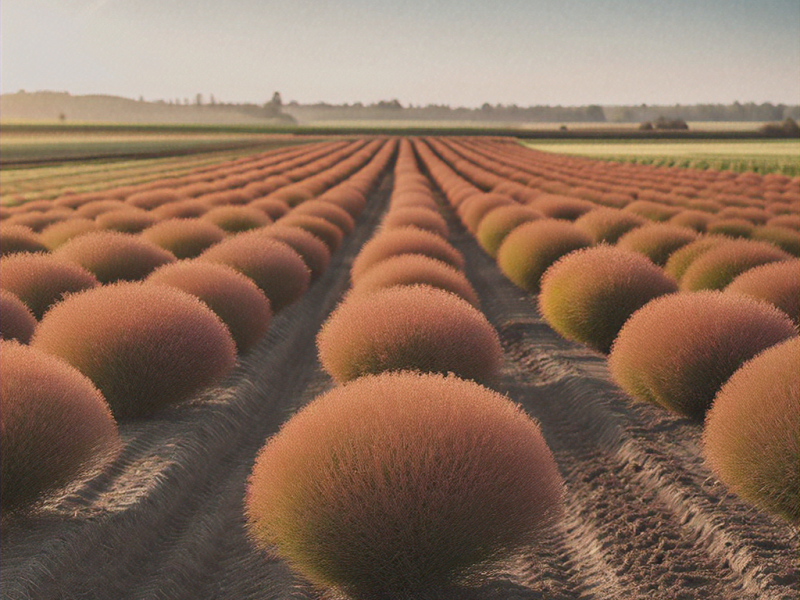
Kochia, also known as Kochia scoparia or Summer Cypress, is a versatile plant that belongs to the Chenopodiaceae family. Native to Eurasia, Kochia has adapted to thrive in a variety of climates, from arid regions to temperate zones. This resilience, combined with its diverse applications, has made Kochia a subject of growing interest in the global agricultural community.
Cultivation of Kochia: Creating the Ideal Environment
Successful Kochia cultivation requires a thoughtful approach to environmental conditions and soil management. Here are some key considerations for growing Kochia:
- Climate Preferences: Kochia thrives in warm, arid, and semi-arid climates, where temperatures range from 20°C to 35°C (68°F to 95°F). It can tolerate a wide range of soil types, from sandy to clay-based, as long as the soil is well-drained and has a slightly alkaline pH (6.5 to 8.0).
- Planting and Spacing: Kochia can be propagated from seeds, which should be sown directly into the ground after the last frost. The seeds should be planted at a depth of 1-2 cm (0.5-1 inch) and spaced approximately 30-45 cm (12-18 inches) apart to allow for proper growth and development.
- Irrigation and Water Management: Kochia is a drought-tolerant plant, but it still requires regular watering, especially during the establishment phase and during periods of prolonged drought. Aim to maintain moist, but not waterlogged, soil conditions.
- Fertilization: Kochia benefits from moderate fertilization, particularly with nitrogen-based fertilizers. Incorporate organic matter, such as compost or well-rotted manure, into the soil prior to planting to improve nutrient availability and soil structure.
- Weed Control: Kochia is a competitive plant, but it is still important to control weeds during the early stages of growth to ensure the plant can establish itself and thrive.
Harvesting Kochia: Timing and Techniques
Proper harvesting techniques are crucial for maximizing the yield and quality of Kochia. Here are the key steps to consider:
- Timing the Harvest: Kochia can be harvested multiple times throughout the growing season, with the first harvest typically occurring 60-90 days after planting. The optimal harvest time is when the plants are in the pre-flowering stage, as this is when the leaves and stems are most tender and flavorful.
- Harvesting Methods: Kochia can be harvested using a variety of methods, depending on the scale of production and the intended use of the crop. For small-scale operations, hand-harvesting the leaves and tender stems is a common approach. For larger-scale production, mechanical harvesting equipment, such as sickle bars or rotary mowers, can be employed to efficiently gather the Kochia biomass.
- Post-Harvest Handling: After harvesting, it is important to properly handle and store the Kochia to maintain its quality and freshness. Gently clean the harvested material to remove any debris or dirt, and then either use it immediately or dry it for longer-term storage. Drying can be done by air-drying or using a dehydrator, depending on the scale of production and the intended use of the Kochia.
Culinary Applications of Kochia
One of the primary applications of Kochia is in the culinary realm. The young, tender leaves and stems of the plant can be used in a variety of dishes, adding a unique flavor and nutritional profile to the meal. Here are some ways Kochia can be incorporated into the global culinary landscape:
- Salads and Greens: The fresh, succulent leaves of Kochia can be added to salads, providing a crunchy texture and a slightly salty, herbaceous flavor.
- Stir-Fries and Sautés: The tender stems and leaves of Kochia can be stir-fried or sautéed, adding a delightful crunch and flavor to various vegetable-based dishes.
- Soups and Stews: Kochia can be incorporated into soups and stews, contributing its unique taste and texture to the overall dish.
- Fermentation and Pickling: The leaves and stems of Kochia can be fermented or pickled, creating a range of flavorful condiments and preserves.
Exploring the Biofuel Potential of Kochia
In addition to its culinary uses, Kochia has also garnered attention for its potential as a biofuel feedstock. The plant’s high biomass production, coupled with its adaptability to marginal lands, make it an attractive option for sustainable energy generation. Here’s a closer look at the biofuel applications of Kochia:
- Bioethanol Production: The carbohydrate-rich stems and leaves of Kochia can be converted into bioethanol through fermentation processes, providing a renewable and eco-friendly fuel source.
- Biodiesel Generation: The seeds of Kochia contain oil that can be extracted and used as a feedstock for biodiesel production, further expanding the plant’s utility in the biofuel industry.
- Biomass Combustion: The entire Kochia plant, including the leaves, stems, and roots, can be used as a solid biofuel for direct combustion, generating heat and energy for various applications.
Integrating Kochia into Global Agricultural Systems
As the global community continues to seek innovative solutions to address food security and environmental sustainability, the cultivation and utilization of Kochia present a promising pathway. By incorporating Kochia into existing agricultural systems, we can unlock a wealth of benefits:
- Diversification of Crop Portfolios: Introducing Kochia as a new crop can help diversify agricultural production, enhancing food security and resilience in the face of environmental challenges.
- Marginal Land Utilization: Kochia’s ability to thrive in arid and semi-arid regions allows it to be cultivated on land that may not be suitable for traditional crops, expanding the available agricultural land and increasing overall productivity.
- Ecosystem Services: Kochia’s deep root system and drought-tolerant nature can contribute to soil conservation, water management, and the overall health of the surrounding ecosystem.
- Sustainable Biofuel Production: The integration of Kochia-based biofuel production can reduce reliance on fossil fuels and promote the development of a more sustainable energy infrastructure.
- Nutritional and Culinary Diversification: The incorporation of Kochia into global cuisines can introduce new flavors, textures, and nutritional benefits to local and international food systems.
As we navigate the ever-evolving landscape of agriculture and human welfare, the cultivation and utilization of Kochia present a compelling opportunity to enhance food security, foster environmental sustainability, and drive innovation in the global agricultural sector. By embracing the versatility and adaptability of this remarkable plant, we can pave the way for a more resilient and prosperous future.