
Kochia: Your Step-by-Step Guide to Plant Care and Maximizing Yield
In the vast landscape of agriculture, where every crop holds the potential to impact human welfare, the humble Kochia plant stands out as a resilient and versatile player. This guide aims to equip you with the essential knowledge and practical tips to become a master of Kochia cultivation, ensuring bountiful harvests and contributing to the well-being of communities worldwide.
Understanding Kochia: The Resilient Companion
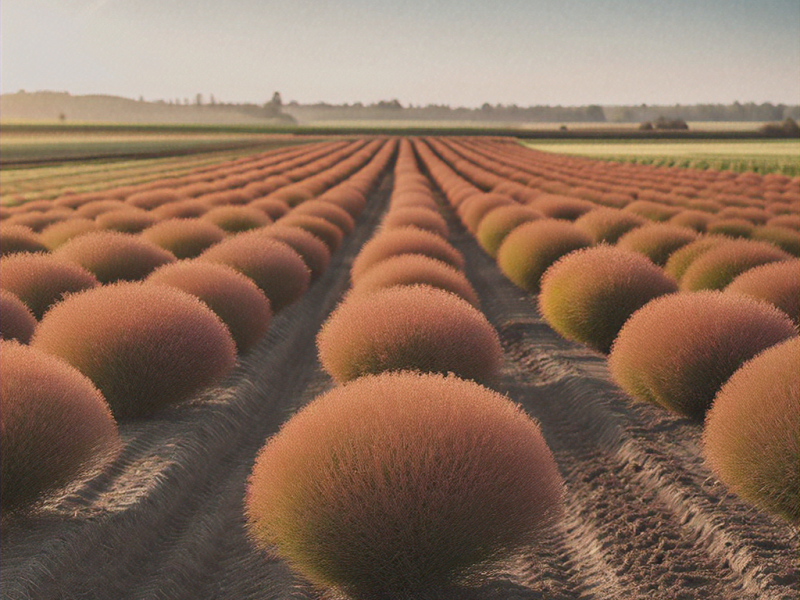
Kochia, also known as Summer-cypress or Burning Bush, is a hardy, drought-tolerant plant native to Eurasia. Its ability to thrive in challenging environmental conditions, such as arid and saline soils, makes it a valuable asset in regions where agricultural productivity is often hindered by harsh climates.
Kochia’s adaptability and nutritional profile have garnered increasing attention from agricultural experts and researchers. Not only does it serve as a reliable forage crop, but its leaves and seeds also offer valuable nutrients, including protein, vitamins, and minerals, making it a potent contributor to human welfare.
Site Selection and Soil Preparation
Successful Kochia cultivation begins with the selection of the right growing site and careful soil preparation. Consider the following factors when choosing your Kochia cultivation area:
- Soil type: Kochia thrives in well-drained, sandy or loamy soils with a slightly alkaline pH range of 7.0-8.5.
- Sunlight exposure: Kochia requires full sun, so select a location that receives at least 6-8 hours of direct sunlight per day.
- Water availability: While Kochia is drought-tolerant, it still requires consistent moisture, especially during the germination and establishment phases.
- Climate: Kochia is well-suited to warm, semi-arid climates, with an optimal temperature range of 18-30°C (64-86°F).
Before planting, prepare the soil by tilling or rototilling to a depth of 10-15 cm (4-6 inches) to loosen the soil and incorporate any necessary amendments, such as organic matter or lime, to adjust the pH to the desired range.</
Planting and Establishment
Kochia can be grown from seed, and the optimal planting time varies depending on your local climate and growing season. In general, the best time to plant Kochia is during the spring or early summer, when soil temperatures are warm enough for germination.
To plant Kochia, follow these steps:
- Sow the seeds directly into the prepared soil, spacing them approximately 30-45 cm (12-18 inches) apart in rows that are 60-90 cm (24-36 inches) apart.
- Lightly cover the seeds with 1-2 cm (0.5-1 inch) of soil and gently firm the soil to ensure good seed-to-soil contact.
- Water the planted area thoroughly, ensuring the soil remains moist but not waterlogged during the germination period.
- Monitor the soil moisture and water the plants as needed, particularly during the first few weeks after planting, to support establishment and growth.
Kochia seeds typically germinate within 7-14 days, depending on soil temperature and moisture conditions. Once the seedlings emerge, thin them to the desired spacing, leaving the strongest, healthiest plants to continue growing.</
Ongoing Care and Maintenance
Maintaining a healthy Kochia crop requires a balanced approach to irrigation, fertilization, and weed management. Here are the key steps to ensure your Kochia plants thrive:
- Irrigation: Kochia is drought-tolerant, but it still benefits from regular watering, especially during periods of extended dryness. Aim to keep the soil consistently moist but not waterlogged. Adjust irrigation schedules based on local climate and weather conditions.
- Fertilization: Kochia responds well to moderate amounts of nitrogen, phosphorus, and potassium. Apply a balanced, slow-release fertilizer at the time of planting and again mid-season. Avoid over-fertilization, as it can lead to excessive vegetative growth at the expense of seed production.
- Weed Management: Kochia is a relatively fast-growing plant, but it can still be vulnerable to weed competition, especially in the early stages of growth. Regularly remove any weeds by hand-pulling or using a hoe to maintain a clean, weed-free environment for your Kochia crop.
- Pest and Disease Control: Kochia is generally hardy and resistant to most pests and diseases. However, monitor your plants regularly for any signs of insect infestations or fungal diseases and address them promptly using organic or approved synthetic methods to prevent any potential issues.
Harvesting and Yield Optimization
The timing of Kochia harvest depends on the desired end-use of the crop. For forage production, the optimal harvest time is when the plants are in the early flowering stage, as this is when the leaves and stems are most nutritious. For seed production, wait until the plants have fully matured and the seeds have turned brown or black.
To maximize your Kochia yield, consider the following tips:
- Timing: Harvest Kochia during the coolest part of the day, either in the early morning or late afternoon, to minimize moisture loss and preserve the crop’s quality.
- Cutting and Drying: Cut the Kochia plants at the base, leaving a short stubble. Gather the cut plants and allow them to dry in a well-ventilated, shaded area. This helps preserve the nutritional value and facilitates further processing.
- Seed Harvesting: For seed production, once the plants have fully matured, gently thresh or rub the seed heads to release the seeds. Collect the seeds and ensure they are completely dry before storage.
- Storage: Store the dried Kochia forage or seeds in a cool, dry, and well-ventilated location to maintain quality and prevent spoilage. Proper storage is crucial for ensuring the long-term availability and usability of your Kochia harvest.
Unlocking Kochia’s Potential for Human Welfare
Kochia’s versatility and resilience make it a valuable crop for enhancing human welfare in various ways. Beyond its use as a forage crop, Kochia’s nutritional profile and adaptability to challenging environments position it as a crucial component in the pursuit of food security and sustainable agriculture.
Here are some of the ways Kochia can contribute to human welfare:
- Nutritional Value: Kochia’s leaves and seeds are rich in protein, vitamins, and minerals, making it a nutritious addition to the diets of both livestock and humans, particularly in regions where access to diverse food sources is limited.
- Drought Tolerance and Climate Resilience: Kochia’s ability to thrive in arid and saline conditions makes it an invaluable crop for regions affected by climate change and water scarcity, helping to ensure food security and sustainable agriculture in the face of environmental challenges.
- Ecosystem Services: Kochia’s deep, extensive root system can help stabilize soils, prevent erosion, and improve water infiltration, contributing to the overall health and productivity of the surrounding ecosystem.
- Livestock Forage: Kochia’s high nutritional value and palatability make it an excellent forage crop for livestock, providing a reliable source of feed and supporting the livelihoods of farmers and pastoralists.
- Biofuel Potential: Emerging research suggests that Kochia can be a promising feedstock for biofuel production, potentially diversifying energy sources and contributing to sustainable energy solutions.
By embracing the cultivation and utilization of Kochia, we can unlock its potential to enhance human welfare, promote food security, and foster more resilient agricultural systems. This guide has provided you with the essential knowledge and practical tips to become a successful Kochia cultivator, empowering you to contribute to the well-being of communities worldwide.
👥 Readers added context they thought people might want to know
Agri-X Verified PunjabFarmer_01
✔
PunjabFarmer_01
✔
Current formatting suggests planting in June. However, 2025 IMD data confirms delayed monsoon. Correct action: Wait until July 15th for this specific variety.
Have a correction? Log in to contribute.