India Kochia Farming – Doctor Intelligence (Diseases): Ultimate Guide & Expert Advice
In the realm of agriculture, understanding and managing plant diseases is crucial for ensuring the health and productivity of our crops. This is particularly true for Kochia, a resilient and versatile plant that has gained significant attention in the Indian agricultural landscape. As a valued forage crop, Kochia holds immense potential, but it is also susceptible to a range of diseases that can threaten its cultivation. In this comprehensive guide, we delve into the world of Kochia farming, exploring the various diseases that can afflict this crop and providing expert advice to help you navigate the challenges with confidence.
Understanding Kochia: A Resilient Crop
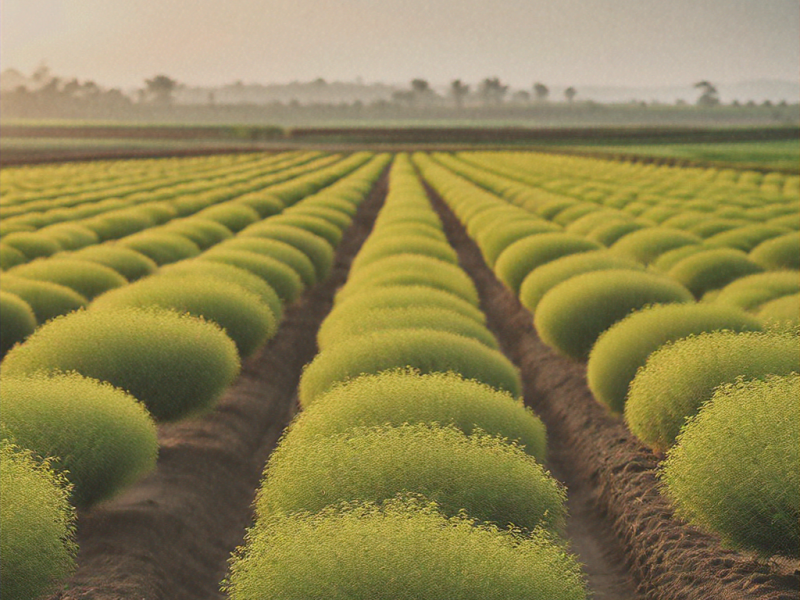
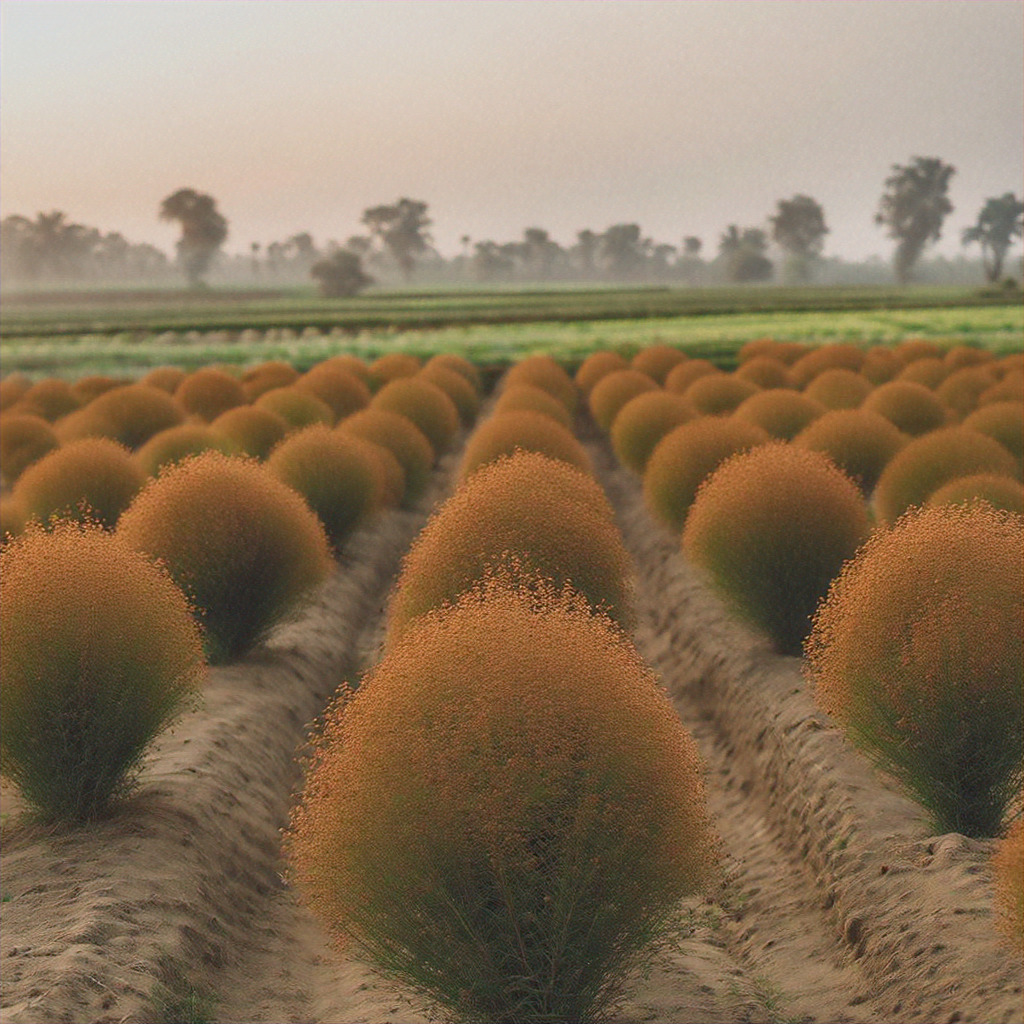
Kochia, also known as Summer Cypress or Burning Bush, is a hardy and adaptable plant that thrives in arid and semi-arid regions. It is highly valued for its ability to withstand harsh environmental conditions, including drought, salinity, and extreme temperatures. In India, Kochia has found a prominent place as a forage crop, providing valuable nutrition for livestock and contributing to the overall agricultural ecosystem.
However, as with any crop, Kochia is susceptible to a range of diseases that can compromise its growth, yield, and overall quality. Understanding these diseases and their management strategies is crucial for successful Kochia farming in India.
Kochia Diseases: Identifying and Addressing the Challenges
Kochia, like any crop, can face a variety of diseases that can impact its growth and productivity. Let’s explore some of the most common Kochia diseases and the strategies to effectively manage them:
Fungal Diseases
- Damping-off: This disease affects Kochia seedlings, causing them to wilt and die prematurely. It is caused by various soil-borne fungi, such as Pythium, Rhizoctonia, and Fusarium. To manage damping-off, ensure proper soil drainage, avoid overwatering, and consider using fungicide treatments during the seedling stage.
- Stem Rot: Caused by the fungus Sclerotinia sclerotiorum, stem rot can lead to the wilting and eventual death of Kochia plants. Proper crop rotation, maintaining adequate air circulation, and the use of fungicides can help mitigate this disease.
- Powdery Mildew: This fungal disease manifests as a white, powdery growth on the leaves and stems of Kochia plants. It can significantly reduce the plant’s photosynthetic capacity and overall health. Applying fungicides and promoting air circulation can effectively manage powdery mildew.
Bacterial Diseases
- Bacterial Leaf Spot: Caused by the bacterium Xanthomonas campestris, this disease results in the formation of dark, water-soaked spots on the leaves. Maintaining good sanitation, using disease-free seeds, and applying appropriate bactericides can help control bacterial leaf spot.
- Bacterial Wilt: This disease, caused by the bacterium Ralstonia solanacearum, can lead to the wilting and eventual death of Kochia plants. Proper soil drainage, crop rotation, and the use of resistant cultivars are effective management strategies.
Viral Diseases
- Beet Curly Top Virus: This virus, transmitted by the beet leafhopper, can cause severe stunting, curling, and yellowing of Kochia leaves. Controlling the vector (beet leafhopper) and using resistant cultivars are crucial in managing this viral disease.
- Beet Mosaic Virus: Characterized by mosaic patterns and mottling on Kochia leaves, this viral disease can significantly affect the plant’s growth and vigor. Controlling the aphid vectors and using virus-free planting material are important control measures.
Abiotic Stresses
In addition to biotic diseases, Kochia can also face abiotic stresses that can impact its growth and productivity. These include:
- Salinity: Kochia is relatively tolerant of saline conditions, but excessive salinity can still lead to growth inhibition and reduced yields. Carefully managing irrigation water quality and using salt-tolerant cultivars can help mitigate the impacts of salinity.
- Drought: As a drought-resistant crop, Kochia can withstand periods of water scarcity, but prolonged drought can still take a toll on the plant’s health and productivity. Implementing water conservation practices, such as drip irrigation and mulching, can help Kochia plants better cope with drought stress.
- Temperature Extremes: Kochia is adapted to a wide range of temperatures, but sudden temperature fluctuations or exposure to extreme heat or cold can stress the plants. Selecting appropriate planting times and using protective measures, such as shade nets or row covers, can help mitigate the impacts of temperature extremes.
Expert Advice: Strategies for Successful Kochia Farming
To ensure the successful cultivation of Kochia in India, we have sought the expertise of leading agricultural scientists and practitioners. Here are their valuable insights and recommendations:
Preventive Measures
- Crop Rotation: Implementing a well-designed crop rotation plan can help break the life cycle of many Kochia pathogens, reducing the overall disease pressure in the field.
- Seed Selection: Choosing high-quality, disease-resistant Kochia cultivars can significantly improve the crop’s resilience and reduce the risk of disease outbreaks.
- Soil Health Management: Maintaining optimal soil health, with balanced nutrients and proper drainage, can enhance the plant’s natural defenses against diseases.
- Sanitation and Hygiene: Practicing good sanitation measures, such as cleaning farm equipment, removing diseased plant debris, and disinfecting the growing environment, can help prevent the spread of diseases.
Integrated Disease Management
- Biological Control: Incorporating beneficial microorganisms, such as antagonistic fungi or bacteria, can help suppress the growth and spread of Kochia pathogens.
- Judicious Use of Pesticides: Carefully selecting and applying appropriate fungicides, bactericides, or insecticides can effectively manage disease outbreaks, while minimizing the impact on the environment and human health.
- Monitoring and Early Detection: Regularly monitoring Kochia crops for early signs of disease and promptly addressing any issues can significantly improve the chances of successful disease management.
Adapting to Climate Change
As climate change continues to impact agricultural systems, it is crucial to adapt Kochia farming practices to address the evolving disease challenges. Experts recommend:
- Breeding for Climate Resilience: Developing Kochia cultivars that are better equipped to withstand the effects of climate change, such as increased temperatures, altered precipitation patterns, and emerging disease pressures.
- Precision Agriculture Techniques: Utilizing advanced technologies, such as remote sensing, precision irrigation, and data-driven decision-making, to optimize Kochia cultivation and enhance disease management.
- Knowledge Sharing and Extension Services: Strengthening collaboration between researchers, extension workers, and farmers to ensure timely dissemination of information and effective implementation of disease management strategies.
Conclusion
Kochia farming in India holds immense potential, but effectively managing the various diseases that can affect this crop is crucial for ensuring its long-term success and sustainability. By understanding the common Kochia diseases, implementing preventive measures, and adopting integrated disease management strategies, farmers can cultivate this resilient crop with confidence and contribute to the overall agricultural and ecological wellbeing of the region.
As we navigate the challenges of the future, it is essential to continue investing in research, innovation, and knowledge-sharing to empower Indian farmers and secure the future of Kochia cultivation. Through collaborative efforts and a commitment to sustainable agriculture, we can unlock the full potential of Kochia and its role in supporting India’s agricultural and human welfare objectives.