
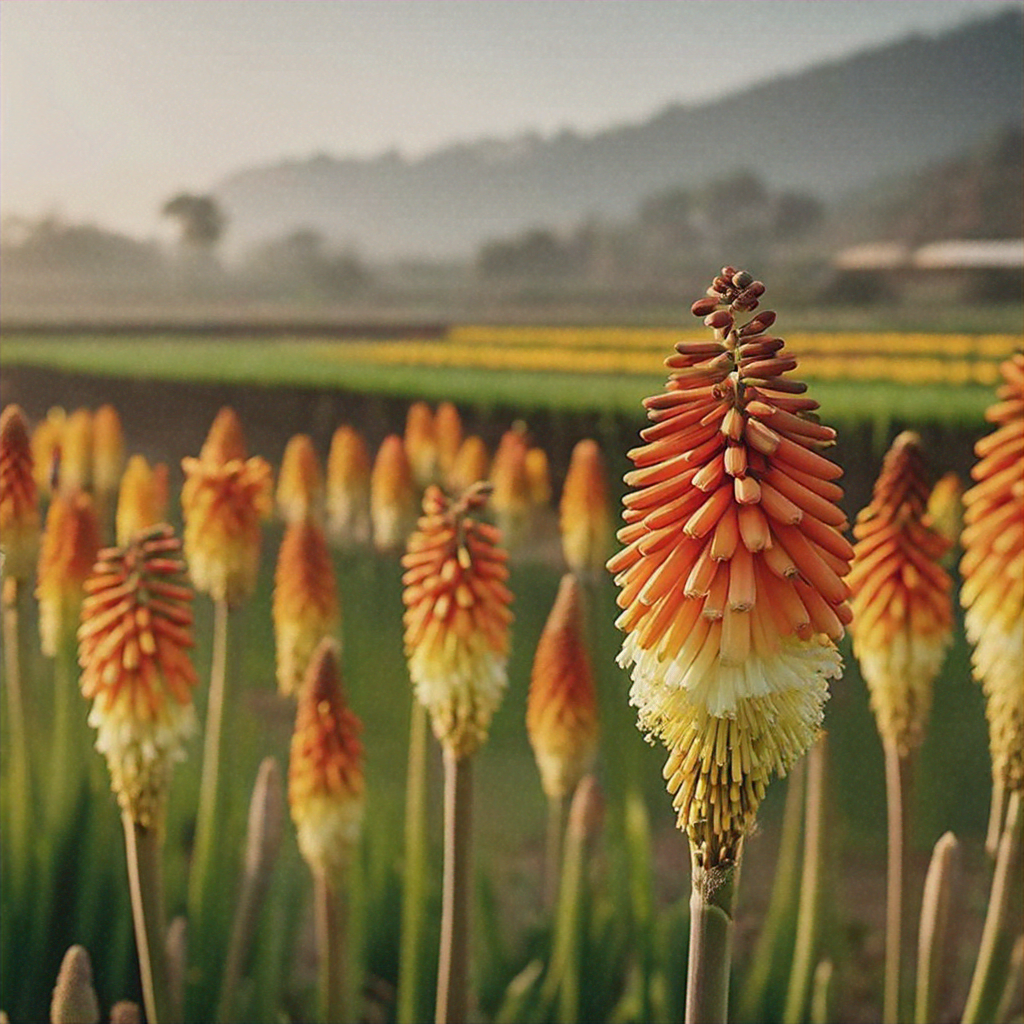
Intelligent Growth Guide for Kniphofia – India Guide: Step-by-Step & Yield Tips
Kniphofia, commonly known as the red-hot poker or torch lily, is a vibrant and eye-catching perennial plant that has gained popularity in India’s diverse gardening landscape. Native to the grasslands and mountain regions of Africa, this versatile species thrives in various climates, making it an excellent choice for Indian gardeners and horticulturists. In this comprehensive guide, we’ll delve into the intelligent growth strategies and step-by-step instructions for cultivating Kniphofia in the Indian context, ensuring optimal yields and a visually stunning garden.
Understanding Kniphofia’s Growth Habits and Adaptability
Kniphofia is a genus of approximately 70 species, each with its unique characteristics and growth patterns. In India, the most commonly grown varieties include Kniphofia uvaria, Kniphofia northiae, and Kniphofia rooperi. These plants are known for their striking, flame-like inflorescences that bloom in a range of colors, from fiery reds and oranges to more subdued yellows and creams.
One of the key factors contributing to Kniphofia’s adaptability in the Indian climate is its tolerance for a wide range of soil types and environmental conditions. These plants thrive in well-drained, nutrient-rich soils and can tolerate partial shade to full sun exposure, making them suitable for a variety of garden settings.
Site Selection and Preparation
When choosing a planting site for your Kniphofia, consider the following factors:
- Soil Composition: Kniphofia prefers a well-drained, loamy soil with a pH range of 6.0 to 7.5. Amend the soil with organic matter, such as compost or well-rotted manure, to improve drainage and nutrient content.
- Sunlight Exposure: These plants require at least 6 hours of direct sunlight per day, though they can tolerate partial shade in hotter regions.
- Water Availability: Kniphofia is drought-tolerant, but it will benefit from regular watering, especially during the establishment phase and periods of drought.
- Spacing and Placement: Allow for adequate spacing between plants, typically 18 to 24 inches (45 to 60 cm), to allow for proper air circulation and growth.
Planting and Propagation
Kniphofia can be propagated through seeds, division of established clumps, or rhizome cuttings. Here’s a step-by-step guide for each method:
Seed Propagation
- Sow seeds in a well-draining seed-starting mix, either indoors or in a protected outdoor nursery bed.
- Cover the seeds lightly with soil and keep the soil consistently moist until germination, which typically occurs within 14 to 28 days.
- Once the seedlings have developed their first set of true leaves, transplant them into individual containers or directly into the garden, spacing them according to the recommendations.
Division of Established Clumps
- In the spring or fall, carefully lift the entire Kniphofia clump from the ground, using a garden fork to avoid damaging the roots.
- Gently separate the clump into smaller sections, ensuring that each division has a healthy root system and at least one growth point.
- Replant the divisions in the prepared garden bed, spacing them according to the recommendations.
Rhizome Cuttings
- In the spring or fall, dig up the Kniphofia plant and locate the rhizomes (underground stems).
- Using a sharp, sterilized knife, cut the rhizomes into 2-3 inch (5-7 cm) sections, making sure each section has at least one growth bud.
- Plant the rhizome cuttings in a well-draining potting mix, ensuring that the growth buds are facing upward.
- Keep the soil consistently moist until new growth emerges, then transplant the rooted cuttings into the garden.
Cultivation and Care
Proper care and maintenance are essential for the long-term success of your Kniphofia plants. Here are some key considerations:
Watering and Soil Moisture
- Newly planted Kniphofia require consistent moisture to establish their root systems. Water the plants regularly, ensuring the soil does not become waterlogged.
- Once established, Kniphofia are drought-tolerant and can survive with occasional watering, particularly during dry spells.
- Avoid allowing the soil to dry out completely, as this can stress the plants and reduce their flowering potential.
Fertilization and Soil Amendments
- Apply a balanced, slow-release fertilizer in the early spring to provide essential nutrients for growth and flowering.
- Supplement with organic matter, such as compost or well-rotted manure, to improve soil structure and fertility.
- Avoid over-fertilizing, as this can lead to excessive foliage growth at the expense of flower production.
Pruning and Deadheading
- Remove spent flower stalks after blooming to encourage the production of new flowers and maintain a tidy appearance.
- Divide established clumps every 3-4 years to rejuvenate the plants and prevent overcrowding.
- Prune any damaged or dead foliage throughout the growing season to keep the plants looking their best.
Winter Protection
- In colder regions of India, Kniphofia may benefit from a layer of mulch or a protective covering during the winter months to insulate the roots and prevent frost damage.
- Remove any dead or damaged foliage in the spring to allow for new growth and flowering.
Pest and Disease Management
Kniphofia are generally quite resilient plants, but they can be susceptible to certain pests and diseases. Keep an eye out for the following issues and take appropriate action:
- Aphids: These small, sap-sucking insects can be controlled using insecticidal soap or neem oil.
- Powdery mildew: This fungal disease can be prevented by ensuring adequate air circulation and avoiding overcrowding.
- Leaf spot: Caused by various fungi, leaf spot can be managed by removing affected foliage and improving air circulation.
- Rodents: Protect the plant’s crown and roots from damage by rodents, such as voles or mice, using physical barriers or repellents.
Optimizing Yields and Bloom Times
To maximize the productivity and visual impact of your Kniphofia plants, consider the following tips:
- Choose cultivars with staggered bloom times: By selecting a variety of Kniphofia cultivars that flower at different times, you can extend the overall blooming season and enjoy a prolonged display of vibrant colors.
- Deadhead regularly: Removing spent flower stalks will redirect the plant’s energy into producing new blooms, resulting in a more continuous and abundant flowering period.
- Provide optimal growing conditions: Ensure your Kniphofia plants receive the right balance of sunlight, water, and nutrient-rich soil to support robust growth and abundant flowering.
- Consider succession planting: Stagger your Kniphofia plantings by introducing new plants every 2-3 years, ensuring a constant supply of fresh, vigorous blooms in your garden.
Conclusion
Kniphofia, with its striking and diverse floral displays, is a captivating addition to any Indian garden. By understanding the plant’s growth habits, cultivation needs, and intelligent management strategies, gardeners and horticulturists can unlock the full potential of this versatile perennial. Whether you’re a seasoned green thumb or a budding gardener, this comprehensive guide will empower you to cultivate thriving Kniphofia plants and enjoy the vibrant beauty they bring to your outdoor spaces. Happy gardening!

