North America Knautia Farming – Plant Doctor & Care: Ultimate Guide & Expert Advice
Knautia, a genus of flowering plants belonging to the family Caprifoliaceae, has gained increasing popularity in North American gardens and landscapes. Known for their vibrant blooms and adaptability to various growing conditions, Knautia species have become a beloved choice for gardeners and horticulturists alike. In this comprehensive guide, we delve into the intricacies of Knautia farming, providing expert advice on plant care, disease management, and cultivation techniques to help you achieve a thriving Knautia garden.
Understanding Knautia: Species and Characteristics
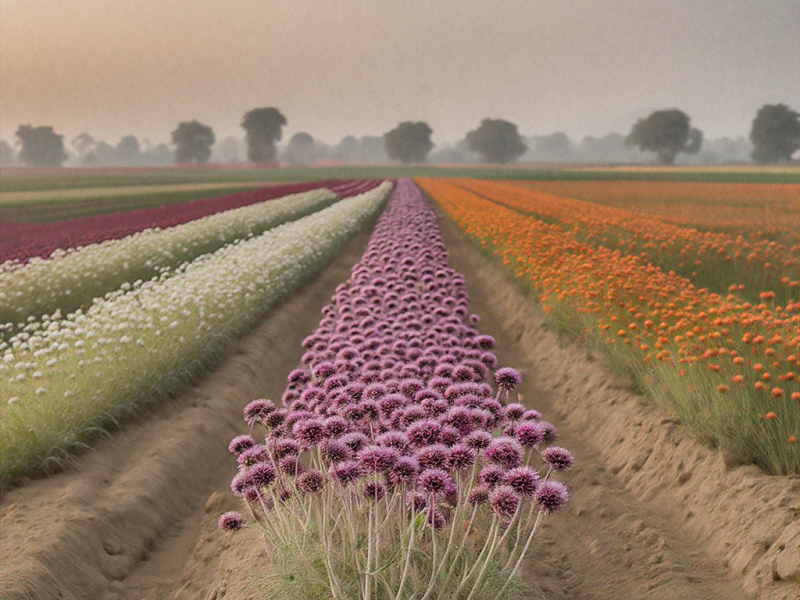
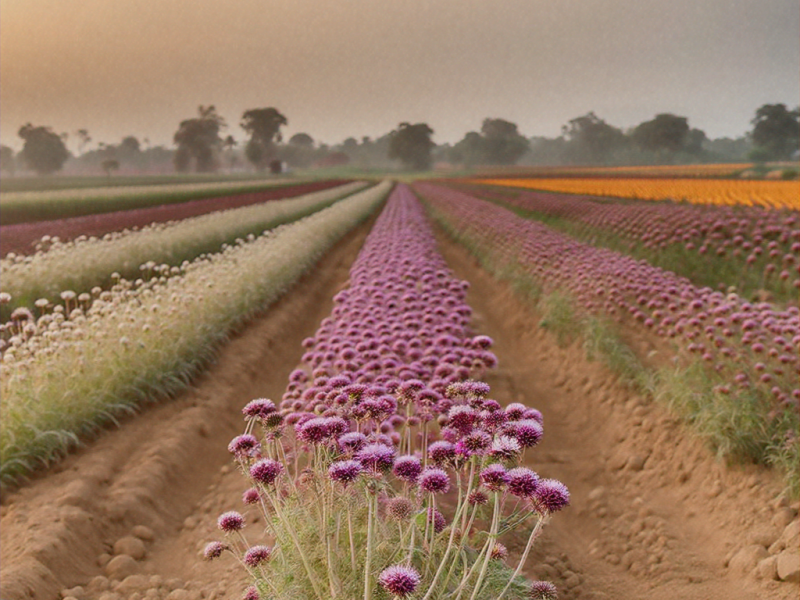
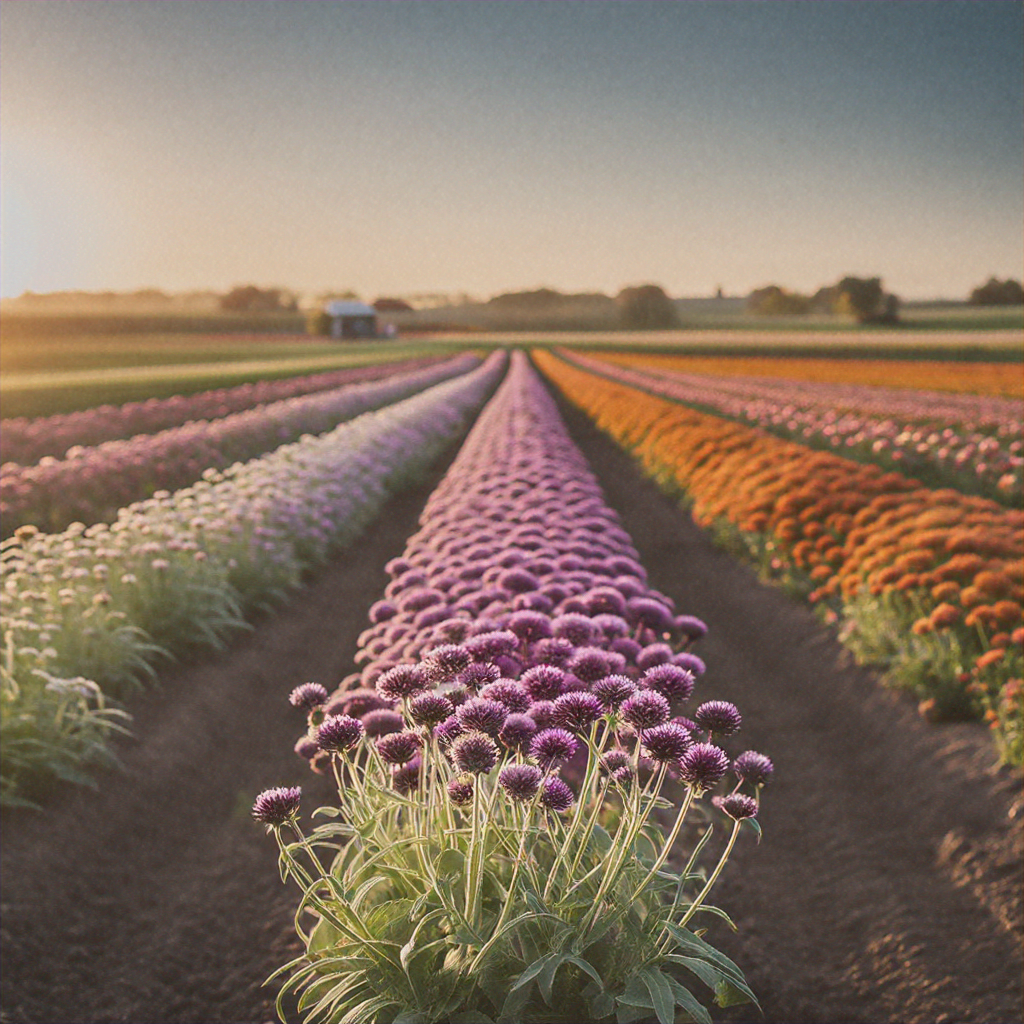
Knautia is a diverse genus, with over 60 species native to Europe and Asia. In North America, the most commonly cultivated species include Knautia arvensis (field scabious) and Knautia macedonica (Macedonian scabious). These perennial plants are known for their showy, pincushion-like flower heads that range in color from deep purple and vibrant red to soft pink and lavender.
Knautia plants typically grow to a height of 30-90 cm, with deeply lobed, hairy leaves that provide a unique textural contrast to the flowers. The plants thrive in well-drained, nutrient-rich soil and prefer full sun to partial shade, making them a versatile choice for various garden settings.
Site Selection and Soil Preparation
When it comes to Knautia farming, the selection of the right growing site and proper soil preparation are crucial for success. Knautia plants prefer well-drained, slightly alkaline soil with a pH range of 6.5-7.5. Heavy, clay-based soils should be amended with organic matter, such as compost or well-rotted manure, to improve drainage and aeration.
Before planting, it is recommended to perform a soil test to determine the nutrient levels and pH of the soil. This information will help you make informed decisions about any necessary amendments or fertilizers to ensure optimal growing conditions for your Knautia plants.
Planting and Propagation
Knautia can be propagated from seed or through division of established plants. For seed propagation, sow the seeds in early spring or late fall, either directly in the garden or in a protected seedling tray. Cover the seeds lightly with soil and keep the soil consistently moist until germination, which typically occurs within 14-21 days.
When dividing established Knautia plants, the best time to do so is in the spring or fall, when the plants are actively growing. Carefully dig up the plant, divide the root system into smaller sections, and replant the divisions, spacing them approximately 30-45 cm apart.
Ongoing Care and Maintenance
Proper care and maintenance are essential for the long-term health and productivity of your Knautia plants. Here are some key tips:
- Watering: Knautia plants prefer consistently moist but well-drained soil. During periods of drought, be sure to water the plants regularly, avoiding waterlogged conditions.
- Fertilization: Apply a balanced, slow-release fertilizer in early spring to provide a steady supply of nutrients. Avoid over-fertilizing, as this can lead to excessive foliage growth at the expense of flowering.
- Deadheading: Regular deadheading, or the removal of spent flowers, will encourage the plant to produce more blooms throughout the growing season.
- Pruning: After the flowering period, cut back the plants by about one-third to maintain a compact, tidy appearance and encourage new growth.
- Winter Protection: In colder climates, provide a layer of mulch around the base of the plants to protect the roots during the winter months.
Disease and Pest Management
Knautia plants are generally quite resilient, but they can still be susceptible to certain diseases and pests. Vigilant monitoring and early intervention are key to maintaining the health and vitality of your Knautia plants.
Common Diseases
- Powdery Mildew: This fungal disease can cause a white, powdery growth on the leaves and stems. Improve air circulation and use fungicides if necessary.
- Leaf Spot: Various fungal and bacterial pathogens can cause circular or irregular spots on the leaves. Remove affected foliage and ensure proper airflow around the plants.
- Root Rot: Poor drainage or overwatering can lead to root rot, which can be challenging to treat. Ensure well-drained soil and avoid overwatering.
Common Pests
- Aphids: These small, sap-sucking insects can infest Knautia plants, causing stunted growth and distorted leaves. Use insecticidal soap or neem oil to control aphid populations.
- Slugs and Snails: These pests can chew holes in the leaves and cause unsightly damage. Employ physical barriers, such as copper tape, or use organic slug and snail bait.
- Thrips: These tiny insects can feed on the flowers and foliage, leading to discoloration and distortion. Use insecticidal sprays or introduce natural predators, such as lacewings or beneficial nematodes.
By addressing these common issues promptly and using integrated pest management techniques, you can maintain the overall health and appearance of your Knautia plants.
Harvesting and Seed Collection
Knautia plants are typically grown for their ornamental value, but the flowers can also be used for cut-flower arrangements or dried for use in crafts and floral designs. To harvest the flowers, cut the stems at an angle, leaving a few inches of stem attached to the bloom.
For seed collection, allow the flower heads to fully mature and develop their characteristic pom-pom shape. Once the petals have dried and fallen away, carefully remove the seed heads and store them in a cool, dry place until ready for sowing.
Knautia in the Landscape
Knautia plants are versatile and can be incorporated into a variety of garden settings. They make excellent additions to perennial borders, rock gardens, and naturalized areas, where their vibrant blooms and unique foliage can add visual interest and texture.
Knautia also pairs well with other drought-tolerant, sun-loving plants, such as lavender, coneflowers, and yarrow. Consider planting Knautia in mass plantings or mixed with other complementary species to create a visually stunning and harmonious landscape design.
Conclusion
Knautia farming in North America presents a rewarding and diverse opportunity for gardeners and horticulturists. By understanding the specific needs and characteristics of Knautia plants, you can cultivate a thriving and beautiful Knautia garden that will not only enhance the aesthetic of your outdoor space but also contribute to the overall health and biodiversity of your local ecosystem.
With the guidance provided in this comprehensive guide, you can confidently embark on your Knautia farming journey, leveraging expert advice and best practices to achieve success. Remember to remain vigilant in your plant care, disease management, and ongoing maintenance to ensure the long-term vitality and beauty of your Knautia plants.