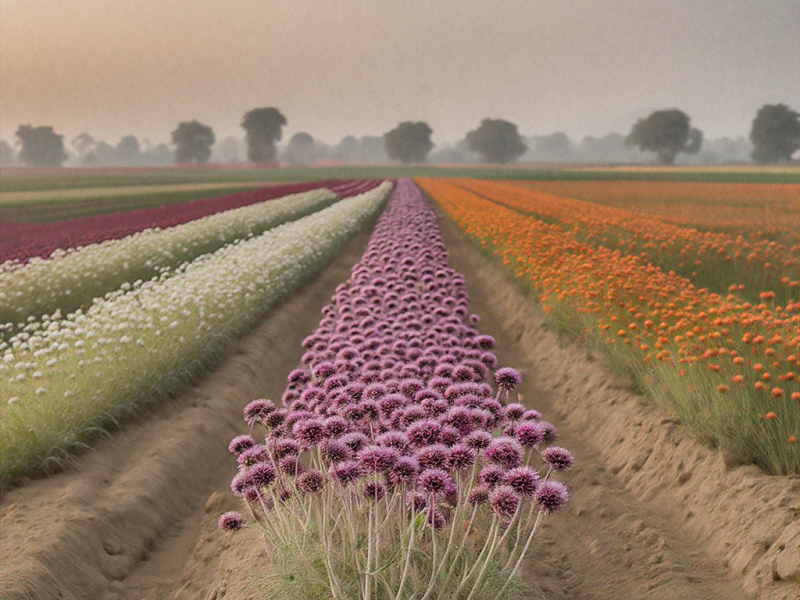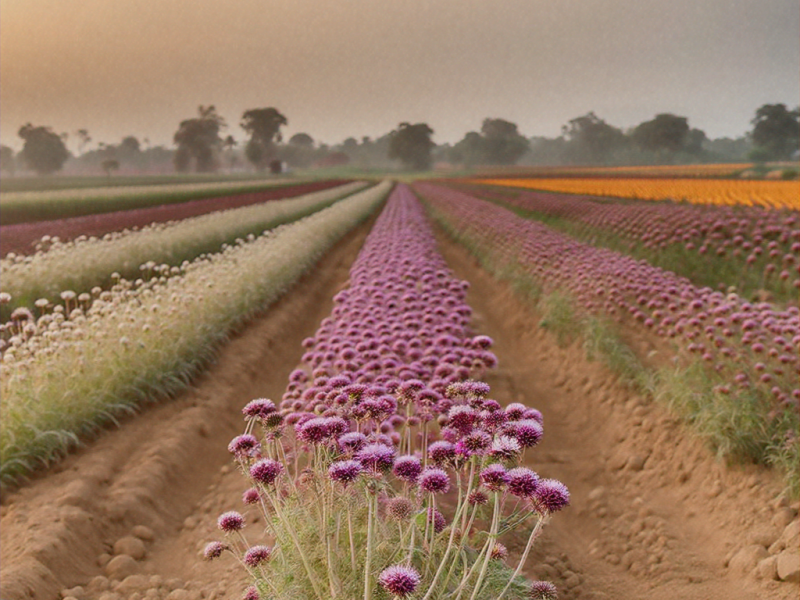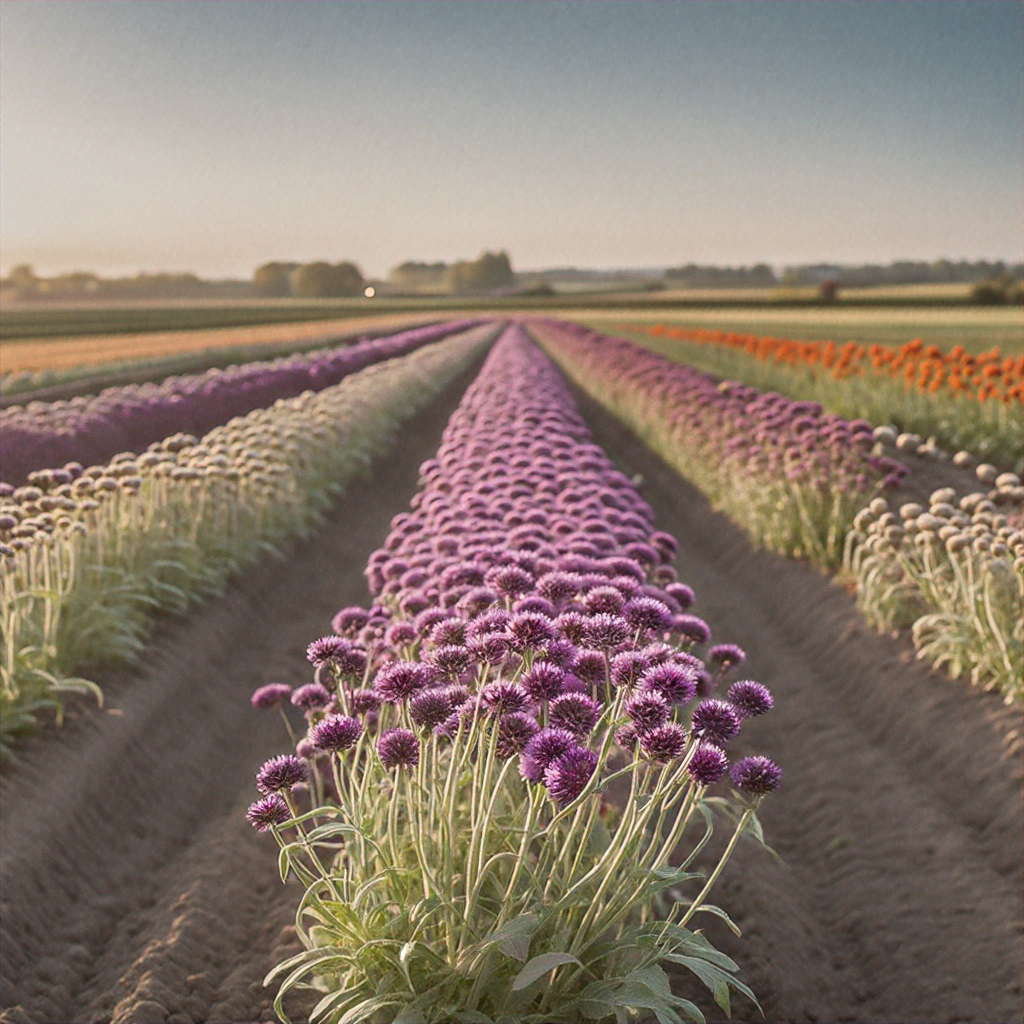
Knautia Cultivation in Europe: Market & Profit Logic – Varieties, Soil & Harvest
In the realm of agriculture, where the interplay between human welfare and environmental stewardship is paramount, the cultivation of Knautia, a captivating genus of flowering plants, has emerged as a fascinating subject of study. Europe, with its diverse climates and rich soil, has become a hub for the thriving Knautia industry, offering both market potential and valuable insights into the nuances of sustainable farming practices.
Knautia, a genus within the Dipsacaceae family, encompasses a range of vibrant, nectar-rich blooms that have captured the attention of both horticulturists and environmentalists alike. These resilient plants, native to various regions across Europe, have found a stronghold in the continent’s gardening and floral markets, serving as both ornamental delights and valuable contributors to local ecosystems.
The Market Potential of Knautia Cultivation
Europe’s flourishing Knautia industry has piqued the interest of growers and entrepreneurs alike, as the demand for these captivating flowers continues to rise. The market for Knautia blooms spans a diverse range of applications, from cut flowers in high-end floral arrangements to potted plants in residential and commercial landscapes.
The appeal of Knautia lies not only in its aesthetic value but also in its ability to thrive in a variety of climatic conditions, making it a versatile choice for gardeners and landscapers across the continent. As consumer preferences shift towards more eco-friendly and locally-sourced horticultural products, the demand for Knautia has experienced a steady uptick, positioning it as a lucrative crop for savvy farmers and small-scale growers.
Profitable Varieties of Knautia
The Knautia genus boasts a diverse array of species, each with its own unique characteristics and market appeal. For those seeking to capitalize on the growing Knautia industry, understanding the nuances of the most profitable varieties is crucial.
- Knautia arvensis (Field Scabious): This hardy perennial is a common sight in European meadows and grasslands, known for its vibrant purple-blue flowerheads and long-blooming season. Field Scabious is a popular choice for cut flower enthusiasts and natural garden enthusiasts alike.
- Knautia macedonica (Macedonian Scabious): A more compact and bushy variety, Macedonian Scabious is prized for its bold, crimson-hued blooms and compact growth habit, making it a valuable addition to border plantings and container gardens.
- Knautia drymeia (Woodland Scabious): This shade-tolerant Knautia species thrives in partial to full shade, making it an ideal choice for woodland gardens and shaded landscapes. Its delicate, lavender-pink flowers are a delight to behold.
- Knautia × stanislawii (Hybrid Scabious): The result of a cross between two Knautia species, this hybrid variety boasts a longer flowering period and a broader color range, from deep purple to soft pink, appealing to a wide range of floral enthusiasts.
By familiarizing themselves with the unique attributes and market appeal of these Knautia varieties, growers can strategically allocate their resources and tailor their cultivation practices to maximize their profitability and meet the evolving demands of the European floral market.
Soil Requirements and Cultivation Practices
Knautia, as with most plants, has specific soil requirements and cultivation practices that must be observed to ensure optimal growth and yield. Understanding these nuances is crucial for farmers and growers seeking to establish a successful Knautia-based enterprise.
Knautia thrives in well-drained, nutrient-rich soil with a slightly acidic to neutral pH range (typically between 5.5 and 7.0). The plants prefer full sun exposure, though some species, such as Knautia drymeia, can tolerate partial shade. Proper soil preparation, including the incorporation of organic matter and the adjustment of pH levels, is essential for creating the ideal growing environment.
In terms of cultivation practices, Knautia is relatively low-maintenance, requiring minimal intervention once established. However, growers should be mindful of factors such as watering, fertilization, and pest management to ensure the plants’ overall health and vigor. Regular deadheading of spent blooms can also encourage continuous flowering and maximize the plant’s visual appeal.
One of the key advantages of Knautia cultivation is its adaptability to various climatic conditions across Europe. From the mild, maritime climates of Western Europe to the continental regions of Central and Eastern Europe, Knautia has proven to be a resilient and reliable crop, making it an attractive option for farmers and small-scale growers alike.
Harvesting and Postharvest Handling
The successful cultivation of Knautia culminates in the harvesting and postharvest handling of the flowers, a critical stage that can significantly impact the quality, shelf life, and overall profitability of the crop.
Knautia blooms are typically harvested when the flowers are fully open and the petals are vibrant and turgid. Growers must exercise care in the harvesting process, ensuring that the stems are cut cleanly and the flowers are handled gently to minimize damage and bruising.
Postharvest handling is equally important, as Knautia flowers are highly perishable and require specific storage and handling conditions to maintain their quality. Proper hydration, temperature control, and storage in a clean, well-ventilated environment are essential for maximizing the vase life of the cut flowers and ensuring their appeal to end-consumers.
Furthermore, the development of innovative packaging solutions and logistical strategies can further enhance the profitability of Knautia cultivation. By leveraging technology and optimizing distribution channels, growers can extend the reach of their products, tap into new market segments, and ensure a consistent and reliable supply of these coveted blooms to floral enthusiasts across Europe.
Conclusion: Embracing the Knautia Opportunity
The cultivation of Knautia in Europe presents a compelling opportunity for farmers, small-scale growers, and entrepreneurs to capitalize on the growing demand for these captivating flowers. By understanding the market potential, familiarizing themselves with the most profitable Knautia varieties, and mastering the nuances of soil, cultivation, and postharvest handling, growers can position themselves as key players in the flourishing Knautia industry.
As the global focus on sustainability and environmental stewardship continues to heighten, the cultivation of Knautia, with its ability to contribute to local ecosystems and provide a visually stunning addition to gardens and landscapes, aligns perfectly with the evolving priorities of conscious consumers. By embracing the Knautia opportunity, growers can not only reap the financial rewards but also contribute to the broader mission of promoting human welfare and environmental harmony.