Kitchen & Harvest for Kiwi Fruit – Karnataka Guide: Step-by-Step & Yield Tips
Welcome to our comprehensive guide on cultivating and harvesting kiwi fruit in the state of Karnataka, India. Kiwi fruit, often referred to as the “superfruit,” has gained immense popularity in recent years for its exceptional nutritional value and versatility in the kitchen. In this article, we’ll explore the step-by-step process of growing kiwi fruit, as well as provide valuable tips to maximize your yield and ensure a bountiful harvest.
Why Grow Kiwi Fruit in Karnataka?
Karnataka, with its diverse climatic conditions, is an ideal region for kiwi fruit cultivation. The state’s moderate temperatures, well-distributed rainfall, and fertile soil make it a prime location for this hardy, high-yielding fruit crop. Kiwi fruit thrives in the hilly regions of Karnataka, particularly in the Western Ghats, where the cool, humid climate provides the perfect growing environment.
Kiwi fruit is not only a delicious addition to the culinary landscape but also offers numerous health benefits. Rich in vitamin C, vitamin E, and a variety of antioxidants, kiwi fruit has been linked to improved immune function, better digestion, and reduced risk of chronic diseases. Additionally, the cultivation of kiwi fruit can contribute to the economic well-being of farmers and communities in Karnataka, providing a lucrative alternative to traditional crops.
Preparing the Kiwi Fruit Orchard
Before embarking on your kiwi fruit growing journey, it’s essential to prepare the orchard site properly. Here are the key steps:
- Site Selection: Choose a well-drained, slightly acidic soil (pH 5.5-6.5) with good water-holding capacity. Kiwi fruit thrives in areas with moderate temperatures, high humidity, and protection from strong winds.
- Soil Preparation: Loosen the soil to a depth of 60-90 cm and incorporate organic matter such as compost or well-rotted manure. This will improve soil structure and nutrient content, providing an optimal growing medium for the kiwi vines.
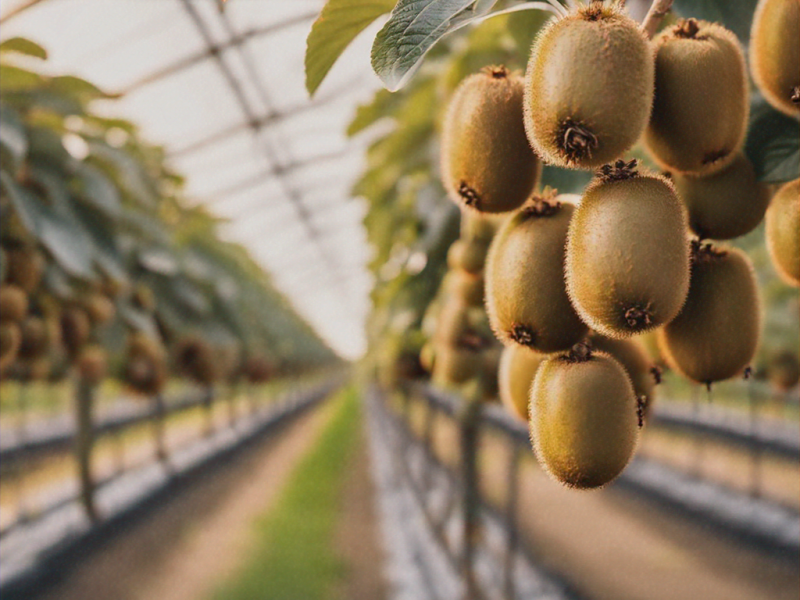
- Trellis System: Erect a sturdy trellis system to support the kiwi vines as they grow. This can be a simple T-bar or a more elaborate pergola-style structure, depending on your preference and available space.
- Irrigation System: Install an efficient irrigation system, such as drip or sprinkler, to ensure consistent moisture levels throughout the growing season. Kiwi fruit requires regular watering, especially during the fruit development stage.
Planting and Caring for Kiwi Fruit Vines
Once the orchard site is prepared, it’s time to start planting and caring for your kiwi fruit vines. Follow these steps:
- Selecting Cultivars: Choose the appropriate kiwi fruit cultivars for your region, such as ‘Hayward,’ ‘Allison,’ or ‘Bruno.’ These cultivars are well-suited to the climatic conditions of Karnataka and offer optimal yield and fruit quality.
- Planting: Plant the kiwi fruit vines in early spring, spacing them 4-6 meters apart. Dig deep, wide planting holes and ensure the roots are well-spread and planted at the same depth as they were in the nursery.
- Training and Pruning: Train the vines to grow along the trellis system, using a combination of pruning and tying techniques. Regular pruning is essential to maintain the vine’s structure, encourage fruit production, and prevent overcrowding.
- Fertilization: Apply a balanced, slow-release fertilizer rich in nitrogen, phosphorus, and potassium. Adjust the fertilizer application based on the vine’s growth and nutrient requirements, typically during the early spring and late summer.
- Pest and Disease Management: Monitor the kiwi fruit vines regularly for signs of pests or diseases, such as scale insects, mealybugs, or fungal infections. Implement integrated pest management strategies, including the use of organic or biological control methods, to maintain the health of your vines.
- Pollination: Kiwi fruit is dioecious, meaning it requires both male and female plants for successful pollination and fruit set. Ensure that you have the appropriate ratio of male to female plants (usually 1:8) to optimize your yield.
Harvesting and Postharvest Handling
Patience and careful monitoring are the keys to a successful kiwi fruit harvest. Here’s what you need to know:
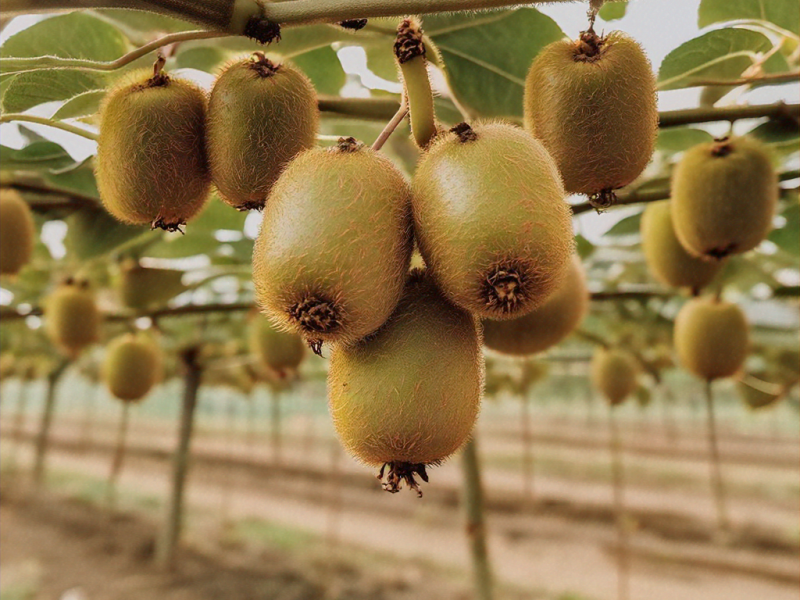
- Harvest Time: Kiwi fruit typically takes 4-6 months from flowering to reach maturity. Look for signs of ripeness, such as a slight softening of the fruit and a change in color from green to brown-beige.
- Harvesting: Gently hand-pick the kiwi fruit, being careful not to damage the delicate skin. Avoid harvesting during the hottest part of the day to minimize moisture loss and ensure the best fruit quality.
- Postharvest Handling: Immediately after harvesting, store the kiwi fruit in a cool, well-ventilated area. Proper storage conditions, such as a temperature of 0-5°C and high relative humidity, can extend the shelf life of the fruit significantly.
- Packaging and Transportation: Pack the kiwi fruit in sturdy, well-ventilated containers to prevent bruising and damage during transportation. If you plan to sell your harvest, ensure that the packaging and labeling meet the required standards for your target market.
Maximizing Kiwi Fruit Yield
To ensure a bountiful kiwi fruit harvest, consider the following tips:
- Optimal Vine Density: Maintain the recommended planting density of 400-500 vines per hectare to ensure efficient utilization of resources and optimal fruit production.
- Water Management: Provide consistent, adequate water throughout the growing season, especially during the critical fruit development stage. Avoid water stress, as it can significantly impact fruit size and quality.
- Pruning and Thinning: Regularly prune the vines to maintain a balanced canopy and remove any unhealthy or unproductive growth. Additionally, thin the fruit clusters to ensure the remaining fruits can reach their full potential size and quality.
- Nutrient Management: Conduct regular soil tests and adjust the fertilizer application accordingly to ensure the vines receive the right balance of essential nutrients, such as nitrogen, phosphorus, and potassium.
- Pollination Optimization: Ensure optimal pollination by maintaining the appropriate ratio of male to female plants and considering the use of supplementary pollination methods, such as beehives or hand-pollination, if necessary.
- Pest and Disease Control: Vigilantly monitor the kiwi fruit vines for any signs of pests or diseases and implement effective control measures promptly to prevent yield losses.
Conclusion
Kiwi fruit cultivation in Karnataka presents a promising opportunity for farmers and growers to diversify their crop portfolio and contribute to the state’s agricultural prosperity. By following the step-by-step guide and implementing the yield-maximizing tips outlined in this article, you can embark on a successful kiwi fruit growing journey and reap the benefits of this nutritious and versatile fruit. Remember, with dedication, patience, and a keen eye for detail, you can cultivate a thriving kiwi fruit orchard that not only provides a bountiful harvest but also enhances the overall well-being of your community.