India Kiwi Fruit Farming – Kitchen & Harvest: Ultimate Guide & Expert Advice
In the vast and diverse agricultural landscape of India, one crop has quietly gained a foothold, captivating the attention of farmers and food enthusiasts alike – the humble kiwi fruit. Once considered an exotic delicacy, kiwi farming in India has evolved into a thriving industry, offering not only a delicious and nutritious addition to our diets but also a new frontier of economic opportunity for the nation’s agricultural community.
In this comprehensive guide, we’ll delve into the fascinating world of kiwi fruit farming in India, exploring the intricate cultivation process, the unique culinary applications, and the expert advice that can help aspiring growers and enthusiasts alike navigate this exciting horticultural journey.
The Rise of Kiwi Fruit Farming in India
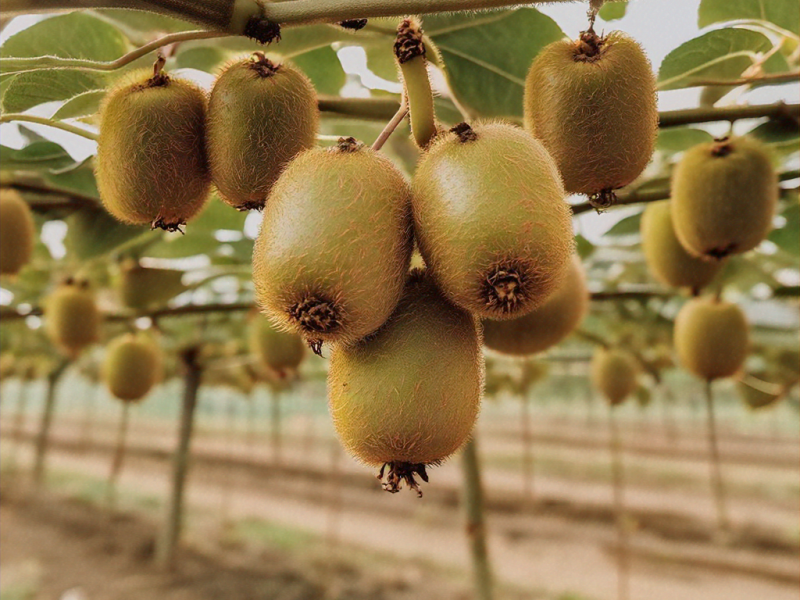
Kiwi fruit, known for its vibrant green flesh, dotted with tiny black seeds and its signature fuzzy brown skin, has long been associated with New Zealand and other parts of the world. However, in recent decades, India has emerged as a promising player in the global kiwi fruit market, with several regions in the country proving to be well-suited for the cultivation of this versatile fruit.
The Himalayan states of Uttarakhand, Himachal Pradesh, and Jammu and Kashmir have been at the forefront of this agricultural revolution, with their cool, temperate climates and fertile soils providing the ideal conditions for kiwi fruit cultivation. According to industry experts, the total area under kiwi fruit cultivation in India has grown significantly, with production volumes steadily increasing each year.
The rise of kiwi fruit farming in India can be attributed to several factors, including the increasing demand for exotic and nutritious fruits, the government’s initiatives to promote alternative cash crops, and the efforts of dedicated farmers and researchers to adapt kiwi cultivation techniques to the Indian context.
The Kiwi Fruit Cultivation Process: From Planting to Harvest
Cultivating kiwi fruit in India requires a delicate balance of environmental factors and meticulous attention to detail. Here’s a step-by-step guide to the kiwi fruit farming process:
Site Selection and Soil Preparation
Kiwi fruit thrives in well-drained, slightly acidic soils with a pH range of 5.5 to 6.5. The ideal location should have moderate temperatures, with cool summers and mild winters, and receive adequate rainfall or access to reliable irrigation sources.
Planting and Trellising
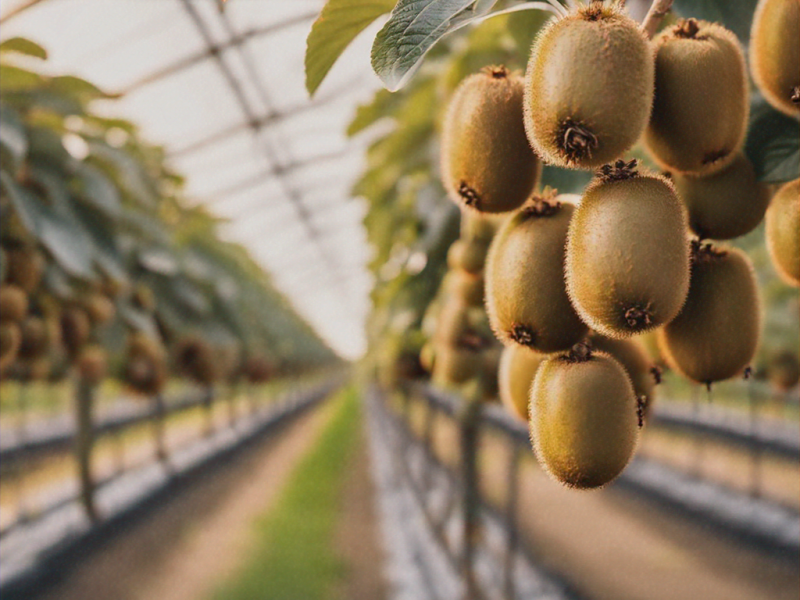
Kiwi fruit vines require sturdy trellises or supports to climb and grow. The plants are typically spaced 4-6 meters apart, with the vines trained onto a vertical or T-shaped trellis system. Proper training and pruning are essential to maintain the plant’s structure and optimize fruit production.
Irrigation and Nutrient Management
Kiwi fruit plants are thirsty and require consistent irrigation, especially during the growing and fruiting seasons. Drip irrigation systems are often the most efficient method, as they deliver water directly to the root zone. Balanced fertilization, including the application of organic matter, is crucial for healthy plant growth and robust fruit development.
Pollination and Pest Management
Kiwi fruit plants are dioecious, meaning they have separate male and female plants. Pollination is a critical step, and the presence of male plants or the manual transfer of pollen is necessary for fruit set. Additionally, vigilant monitoring and the implementation of integrated pest management strategies are essential to protect the crop from common pests and diseases.
Harvesting and Post-Harvest Handling
Kiwi fruit is typically harvested in the autumn, when the fruits have reached the desired size, firmness, and sweetness. Careful handling during the harvesting process and proper post-harvest storage conditions are crucial to maintain the fruit’s quality and extend its shelf life.
Culinary Delights: Kiwi Fruit in the Kitchen
Beyond its captivating visual appeal and nutritional benefits, kiwi fruit has a unique flavor profile that lends itself to a wide range of culinary applications. From sweet to savory, kiwi fruit can be enjoyed in various ways:
Fresh Consumption
The most common way to enjoy kiwi fruit is to simply slice it and enjoy it fresh. The combination of its tart and sweet flavors, along with its refreshing juiciness, makes it a popular choice as a standalone snack or as part of a fruit salad.
Baking and Desserts
Kiwi fruit’s versatility shines in baked goods and desserts. It can be used to add a tangy twist to pies, tarts, and cakes, or it can be blended into smoothies, ice creams, and sorbets for a vibrant and refreshing treat.
Savory Dishes
Surprisingly, kiwi fruit can also be incorporated into savory dishes, adding a unique flavor profile to marinades, salsas, and even as a topping for grilled meats or fish. The fruit’s natural acidity can help tenderize proteins and balance out rich or spicy flavors.
Preserves and Chutneys
Kiwi fruit’s versatility extends to preserves and chutneys, where its bright, tangy notes can be combined with spices, herbs, and other fruits to create flavorful condiments that pair beautifully with a variety of dishes.
Expert Advice: Optimizing Kiwi Fruit Farming in India
As the kiwi fruit industry in India continues to grow, aspiring growers and enthusiasts can benefit from the insights and expertise of seasoned professionals. Here are some valuable tips from our panel of kiwi fruit farming experts:
Selecting the Right Cultivars
- Research and choose kiwi fruit cultivars that are best suited to the local climate and soil conditions in your region.
- Consider factors such as fruit size, flavor, and storage life when selecting the appropriate cultivars.
Optimizing Cultivation Practices
- Invest in high-quality planting material and ensure proper propagation techniques to establish a healthy kiwi fruit orchard.
- Implement efficient irrigation systems and adhere to recommended fertilization schedules to support optimal plant growth and fruit quality.
- Stay vigilant in monitoring and addressing pests and diseases through integrated pest management strategies.
Post-Harvest Handling and Marketing
- Develop effective post-harvest handling and storage protocols to extend the shelf life of kiwi fruits and minimize losses.
- Explore diverse marketing channels, such as direct-to-consumer sales, local and regional markets, and potential export opportunities.
- Stay informed about market trends and consumer preferences to adapt your production and marketing strategies accordingly.
Collaboration and Knowledge Sharing
- Engage with industry associations, research institutions, and extension services to stay up-to-date on the latest advancements in kiwi fruit cultivation and processing.
- Foster collaborative relationships with fellow kiwi fruit growers to share best practices, troubleshoot challenges, and explore collective solutions.
By incorporating these expert insights and continuously refining their cultivation and marketing approaches, Indian kiwi fruit farmers can unlock the full potential of this captivating crop, contributing to the nation’s agricultural prosperity and diversifying its culinary landscape.