Mastering Kiwi Cultivation: A Guide to Growing Delicious Fruit in European Climates
In the realm of fruit cultivation, kiwi stands out as a delightful and nutritious choice, captivating gardeners and foodies alike. While often associated with warmer regions, the hardy kiwi fruit can thrive in the diverse climates of Europe, offering a unique culinary experience right in your own backyard. In this comprehensive guide, we’ll explore the ins and outs of growing kiwi fruit in the European landscape, from the initial setup to the satisfying harvest.
Understanding the Kiwi Plant
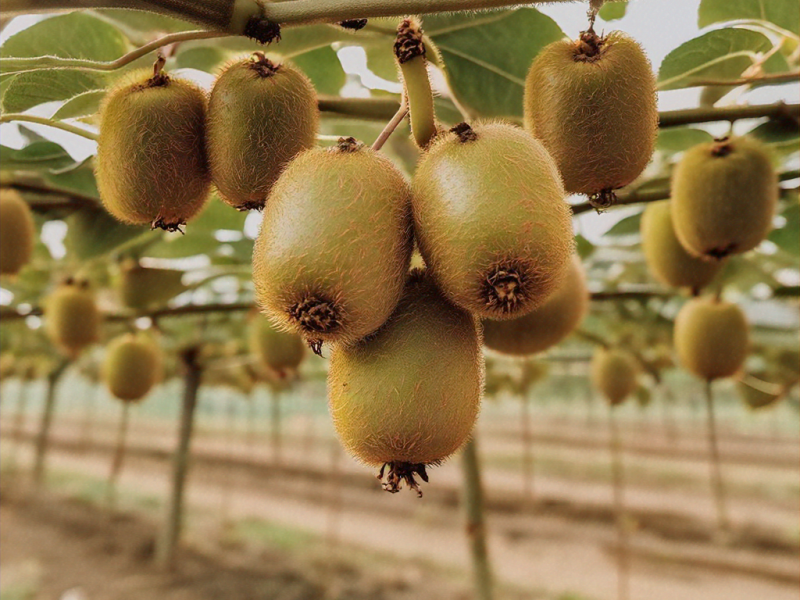
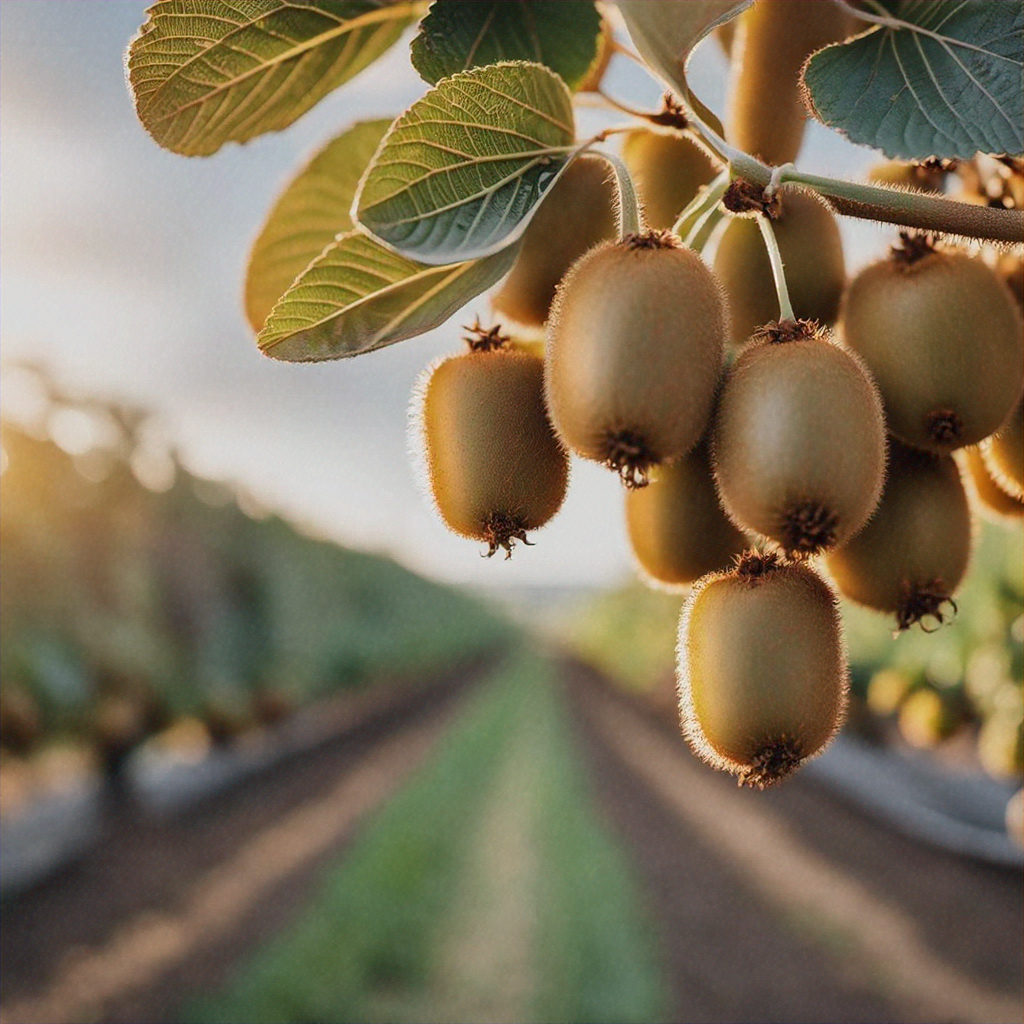
Kiwi (Actinidia deliciosa) is a perennial vine native to central and eastern Asia, but it has found a welcoming home in many parts of Europe. The plant boasts large, heart-shaped leaves and produces a distinctly fuzzy, oval-shaped fruit with a vibrant green flesh and tiny, edible black seeds.
One of the key considerations when growing kiwi in Europe is selecting the right cultivar. While the standard “Hayward” kiwi is a popular choice, there are also several hardy kiwi varieties that can better withstand the cooler temperatures and shorter growing seasons found in many European regions. Some of the recommended hardy kiwi cultivars for European gardens include “Issai,” “Ken’s Red,” and “Ananasnaya.”
Site Selection and Soil Preparation
Kiwi plants thrive in well-drained, nutrient-rich soil with a slightly acidic pH ranging from 6.0 to 6.5. When choosing a planting site, look for an area that receives full sun exposure, as kiwi vines require at least six hours of direct sunlight per day to flourish.
Prepare the soil by incorporating organic matter, such as compost or well-rotted manure, to improve drainage and nutrient content. It’s also important to ensure the soil is free from weeds and other competing plants before planting your kiwi vines.
Planting and Trellising
Kiwi plants are typically planted in the spring, once the threat of frost has passed. When selecting your planting location, keep in mind that kiwi vines can grow up to 30 feet long, so they’ll need ample space to spread out. Space your plants approximately 10 feet apart to allow for proper growth and airflow.
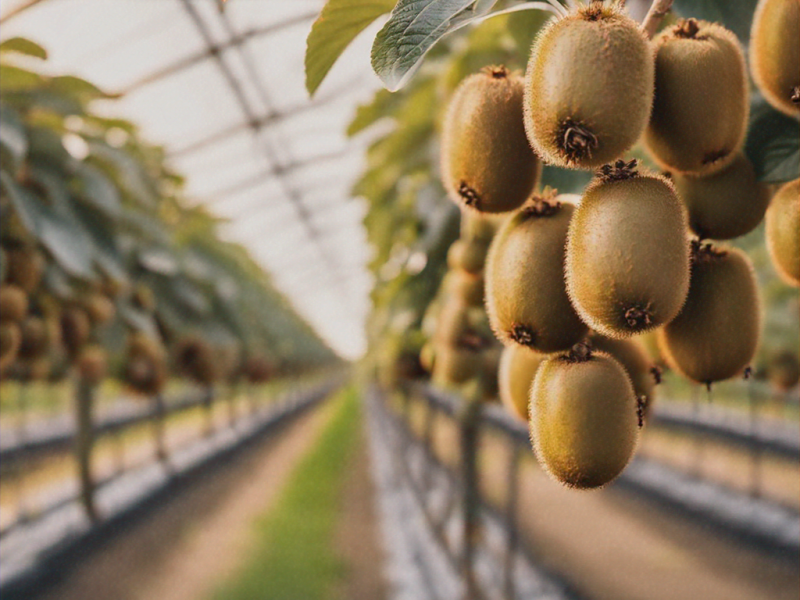
To support the vigorous growth of the kiwi vines, a sturdy trellis system is essential. A common setup involves a series of posts, typically 6-8 feet tall, connected by horizontal wires or a wire mesh. This structure will provide the necessary framework for the vines to climb and produce their fruit.
Pruning and Training
Proper pruning and training are crucial for maintaining the health and productivity of your kiwi vines. Begin by selecting a main leader stem and encouraging its vertical growth. As the plant matures, prune lateral shoots to keep the vine’s structure open and well-lit, which will promote better fruit development.
Regularly remove any dead, damaged, or competing shoots to direct the plant’s energy into producing high-quality fruit. Additionally, consider implementing a summer pruning regimen to thin out excess foliage and improve air circulation around the developing kiwi clusters.
Pollination and Fertilization
Kiwi plants are dioecious, meaning they have separate male and female plants. To ensure successful pollination and fruit production, you’ll need to plant both male and female kiwi vines in close proximity, typically with a ratio of one male plant for every six to eight female plants.
Fertilize your kiwi vines in early spring with a balanced, slow-release fertilizer formulated for fruit trees and vines. Throughout the growing season, supplement with additional nitrogen, phosphorus, and potassium to support healthy foliage, flowering, and fruit development.
Watering and Climate Considerations
Kiwi plants require consistent moisture, especially during the flowering and fruit-bearing stages. Aim to keep the soil moist, but not waterlogged, and consider installing a drip irrigation system to ensure even and efficient watering.
While kiwi can tolerate a range of climates, they are particularly vulnerable to frost during the early spring and late fall. In regions with harsh winters, it’s essential to protect your vines by insulating the root zone and providing overhead cover during periods of extreme cold.
Pest and Disease Management
Like any crop, kiwi vines can be susceptible to various pests and diseases. Common issues include aphids, scale insects, and fungal diseases such as Botrytis and Pseudomonas. Closely monitor your plants and implement integrated pest management strategies, including the use of organic pesticides and cultural practices, to maintain the health of your kiwi vines.
Harvest and Storage
The wait is finally over! After months of nurturing your kiwi vines, the time has come to enjoy the fruits of your labor. Kiwi fruit is typically harvested in the fall, when the fruit has reached its optimal size, firmness, and sweetness.
To determine if your kiwi fruit is ready for harvest, gently squeeze the fruit – it should yield slightly to the touch but still maintain its shape. Avoid harvesting during the hottest part of the day, as the fruit is more prone to bruising in the heat.
Once harvested, kiwi fruit can be stored in the refrigerator for up to four weeks, allowing you to enjoy the fresh, tangy flavor long after the growing season has ended. Consider preserving some of your kiwi bounty through canning, freezing, or dehydrating for year-round enjoyment.
Conclusion
Growing kiwi fruit in the diverse climates of Europe is a rewarding and delicious endeavor. By understanding the unique needs of this versatile vine and implementing the right cultivation practices, you can enjoy a bountiful harvest of these nutritious and flavorful fruits right in your own backyard. Whether you’re a seasoned gardener or just starting your kiwi-growing journey, this comprehensive guide will help you unlock the full potential of kiwi cultivation in your European garden.
- Select the right kiwi cultivar for your local climate
- Prepare the soil and provide a sturdy trellis system
- Prune and train the vines for optimal fruit production
- Ensure proper pollination and fertilization
- Protect your plants from pests, diseases, and harsh weather
- Harvest and store your kiwi fruit for year-round enjoyment