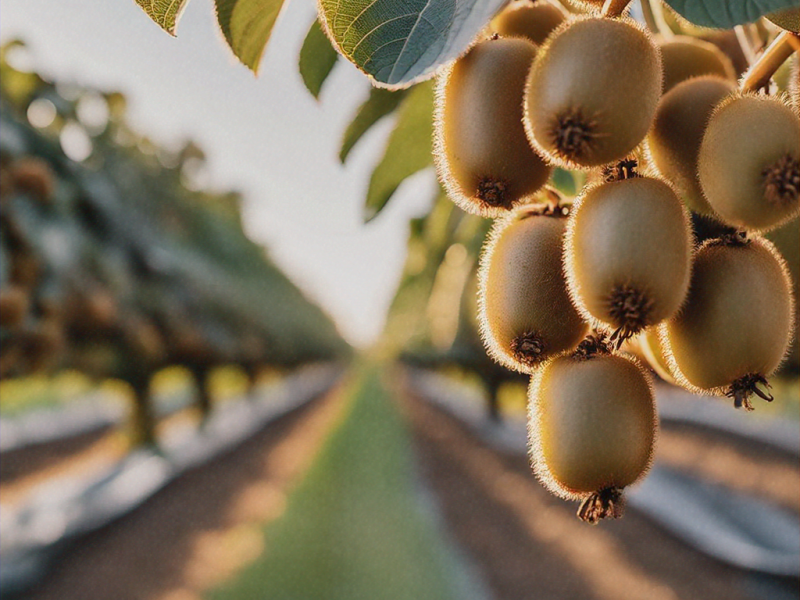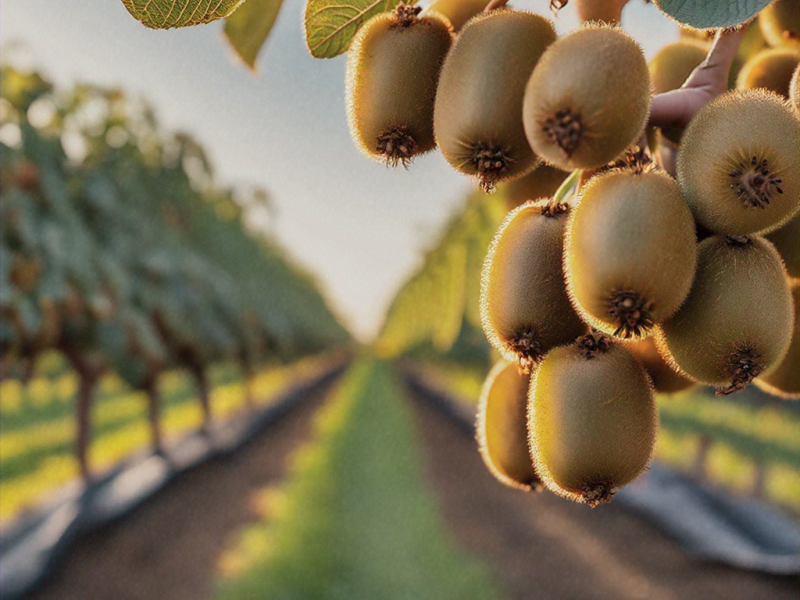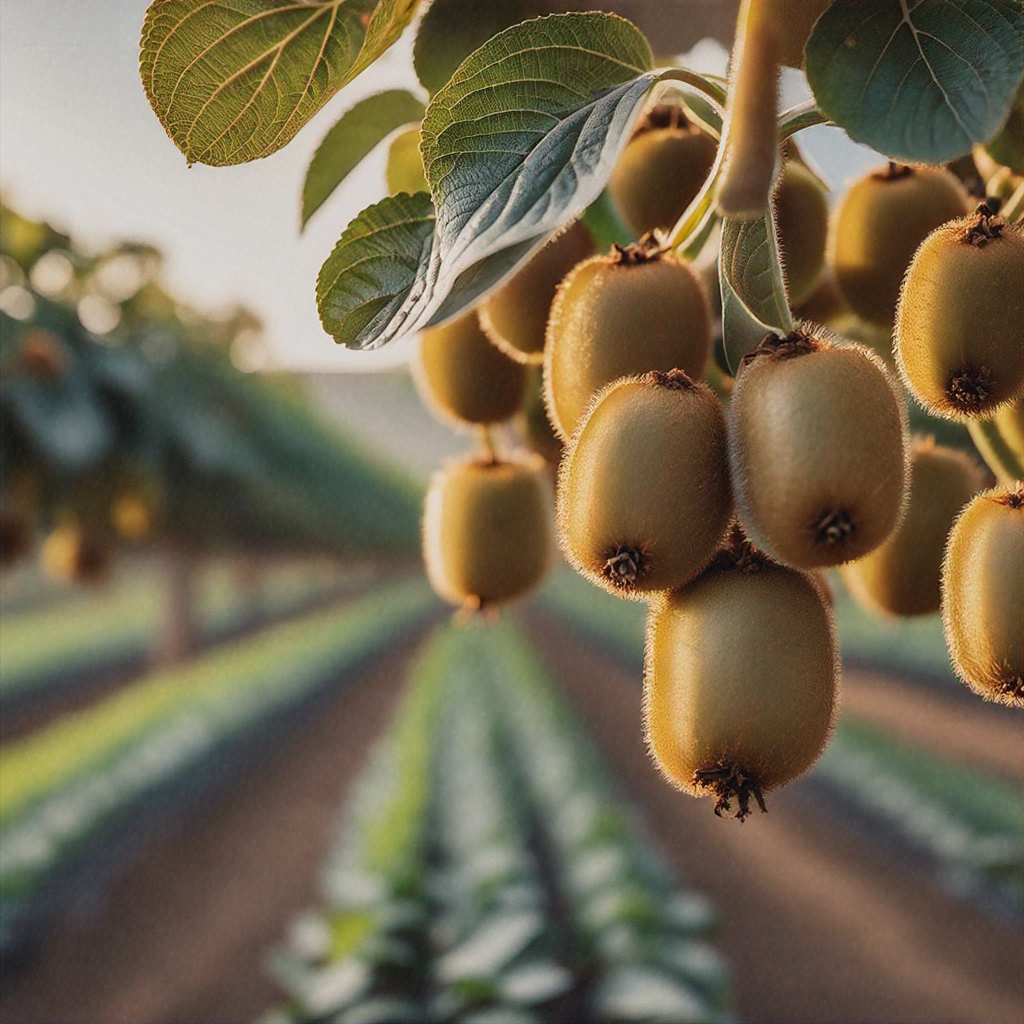
Cultivating Kiwi Fruit in the Heart of Texas: A Step-by-Step Guide
In the lush and diverse landscape of Texas, where rolling hills and mild climates converge, one might not immediately think of the kiwi fruit as a thriving crop. Yet, with the right knowledge and care, this delightful and nutritious fruit can find a happy home in the Lone Star State. Whether you’re a seasoned gardener or a newcomer to the world of horticulture, this comprehensive guide will walk you through the process of growing kiwi fruit in Texas, ensuring a bountiful harvest and a delicious addition to your culinary adventures.
Selecting the Right Kiwi Variety for Texas
When it comes to growing kiwi fruit in Texas, the selection of the right cultivar is crucial. While the classic fuzzy kiwi (Actinidia deliciosa) is a popular choice, it may not be the most suitable option for the Texas climate. Instead, consider the hardy kiwi (Actinidia arguta), also known as the “baby kiwi” or “cocktail kiwi,” which is better adapted to the region’s conditions.
The hardy kiwi is more cold-tolerant and can withstand the occasional dip in temperatures that Texas experiences. Additionally, it requires a shorter growing season, making it a practical choice for gardeners in the state. Some recommended hardy kiwi varieties for Texas include ‘Ananasnaya,’ ‘Arctic Beauty,’ and ‘Ken’s Red.’
Preparing the Planting Site
Kiwi vines thrive in well-drained, nutrient-rich soil with a slightly acidic pH, typically ranging from 6.0 to 6.8. If your soil doesn’t meet these requirements, consider amending it before planting. Mix in compost or aged manure to improve drainage and fertility, and consider adding sulfur to lower the pH if necessary.
Choose a planting site that receives full sun exposure, with at least six to eight hours of direct sunlight per day. Kiwi vines also require protection from strong winds, as they can be susceptible to damage. Consider planting them near a fence, trellis, or other sturdy support structure that can provide shelter.
Planting and Caring for Kiwi Vines
The ideal time to plant kiwi vines in Texas is in the spring, typically between March and May, when the soil has warmed and the risk of frost has passed. When purchasing your kiwi plants, look for healthy, well-rooted specimens from a reputable nursery or online supplier.
To plant, dig a hole that is twice the width of the root ball and slightly deeper. Place the plant in the hole and backfill with the original soil, gently packing it down to remove any air pockets. Water the plant thoroughly, ensuring the soil is evenly moist but not waterlogged.
Kiwi vines require a sturdy support system, such as a trellis or pergola, to climb and grow. Install your support structure before planting, ensuring it is sturdy enough to hold the weight of the mature vines and their fruit. Space your kiwi plants 8 to 10 feet apart to allow for proper air circulation and growth.
Ongoing Kiwi Care and Maintenance
Maintaining your kiwi vines requires a regular care routine to ensure a healthy and abundant harvest. Here are the key steps to follow:
- Watering: Kiwi plants are thirsty and require consistent soil moisture, especially during the hot and dry Texas summers. Water your vines deeply, ensuring the soil is moist but not waterlogged, about 1 to 2 inches per week.
- Fertilizing: Feed your kiwi vines with a balanced, slow-release fertilizer formulated for fruit trees and vines. Apply the fertilizer in early spring, following the manufacturer’s instructions.
- Pruning: Regular pruning is essential for maintaining the health and productivity of your kiwi vines. Prune in late winter or early spring, before new growth appears. Remove any dead, damaged, or unproductive canes, and thin out the interior of the plant to improve air circulation.
- Pollination: Kiwi vines require cross-pollination to set fruit. Plant a male and a female cultivar within close proximity (about 50 feet) of each other to ensure successful pollination. Male kiwi plants will not produce fruit, but they are essential for fertilizing the female plants.
- Pest and Disease Management: Keep an eye out for common pests and diseases that can affect kiwi vines, such as aphids, scale insects, and fungal diseases. Regularly inspect your plants and take prompt action if any issues arise, using organic or environmentally-friendly control methods whenever possible.
Harvesting and Enjoying Your Kiwi Crop
With proper care and attention, your kiwi vines will reward you with a bountiful harvest. In Texas, kiwi fruit typically ripens in late summer to early fall, depending on the cultivar. The fruits will be ready to pick when they have developed a soft, slightly wrinkled skin and give slightly when gently squeezed.
Carefully remove the kiwi fruit from the vine, taking care not to damage the delicate skin. Store them at room temperature until they reach the desired level of ripeness, then enjoy them fresh or incorporate them into a variety of culinary delights. Kiwi fruit are versatile and can be used in salads, smoothies, desserts, and even savory dishes.
If you have an abundance of kiwi fruit, consider preserving them through canning, freezing, or dehydrating to extend their enjoyment throughout the year. Kiwi fruit are an excellent source of vitamin C, fiber, and other essential nutrients, making them a healthy and delicious addition to any diet.
Embracing the Kiwi Adventure in Texas
Growing kiwi fruit in Texas may seem like an unconventional choice, but with the right knowledge and dedication, it can be a rewarding and delightful endeavor. By selecting the appropriate hardy kiwi cultivars, preparing the planting site, and providing the necessary care and maintenance, you can enjoy a bountiful harvest of this exotic fruit right in the heart of the Lone Star State.
So, whether you’re a seasoned gardener or a newcomer to the world of horticulture, embrace the kiwi adventure and start cultivating these delectable fruits in your own Texas garden. With a little bit of effort and the guidance provided in this comprehensive guide, you’ll be well on your way to enjoying the sweet, tangy goodness of homegrown kiwi fruit, right in the comfort of your own backyard.