Kiwi Fruit Plant Doctor & Care in California (USA): Expert Guide, Best Practices & Pro Tips
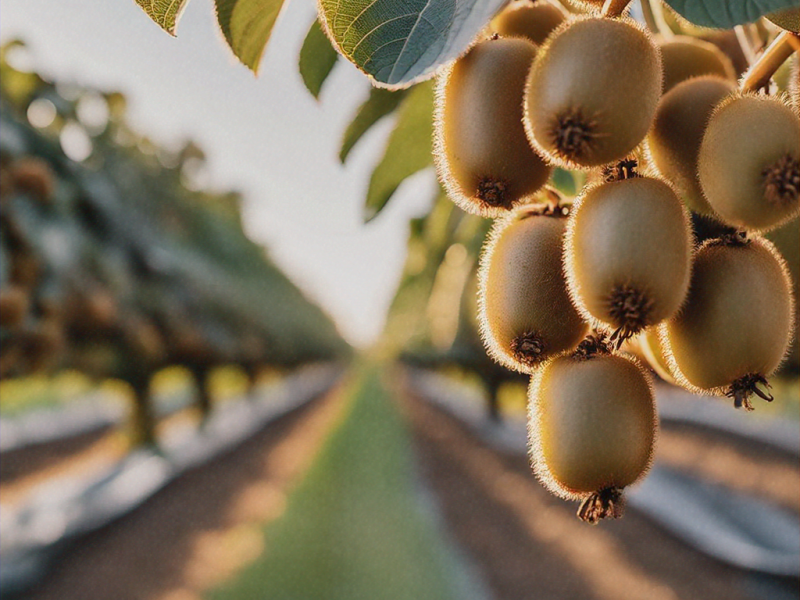
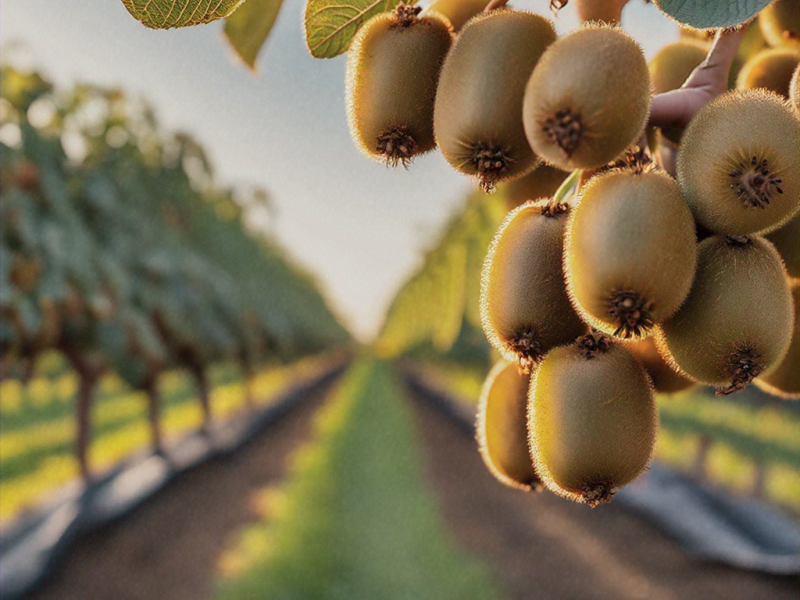
In the lush and thriving agricultural landscape of California, the kiwi fruit plant has found a welcoming home. As a resilient and versatile crop, the kiwi offers not only a delightful burst of flavor but also a wealth of nutritional benefits. However, like any plant, the kiwi requires meticulous care and attention to ensure its optimal growth and productivity. In this comprehensive guide, we will delve into the world of kiwi fruit plant care, covering essential aspects such as soil preparation, irrigation, pest management, and disease prevention.
Soil Preparation and Planting
The success of a kiwi fruit plant largely hinges on the quality of the soil. In California, the ideal soil type for kiwi cultivation is a well-drained, loamy soil with a pH range of 6.0 to 6.5. Before planting, it is crucial to amend the soil with organic matter, such as compost or aged manure, to improve its nutrient content and water-holding capacity.
When it comes to planting, kiwi vines thrive best when placed in a location that receives full sun exposure, with a minimum of six hours of direct sunlight per day. Additionally, ensure that the planting site is sheltered from strong winds, as kiwi plants can be susceptible to damage.
Irrigation and Watering
Proper irrigation is essential for the healthy growth and development of kiwi fruit plants. In California’s Mediterranean climate, kiwi vines generally require a consistent supply of water, especially during the growing season. Aim to maintain moist but not waterlogged soil, providing approximately 1-2 inches of water per week.
It is crucial to avoid overwatering, as kiwi plants are susceptible to root rot and other water-related diseases. Conversely, underwatering can lead to stunted growth, reduced fruit production, and increased vulnerability to pests and diseases. Monitoring soil moisture levels and adjusting watering schedules accordingly is a critical aspect of kiwi fruit plant care.
Pruning and Trellising
Proper pruning and trellising are essential for the overall health and productivity of kiwi fruit plants. Kiwi vines require regular pruning to maintain their shape, encourage new growth, and optimize fruit production.
In California, the recommended pruning schedule involves:
- Dormant pruning in late winter or early spring, focusing on removing dead, damaged, or unproductive canes.
- Summer pruning to thin out excess foliage and encourage better air circulation and light penetration.
- Occasional in-season pruning to remove suckers and control vine growth.
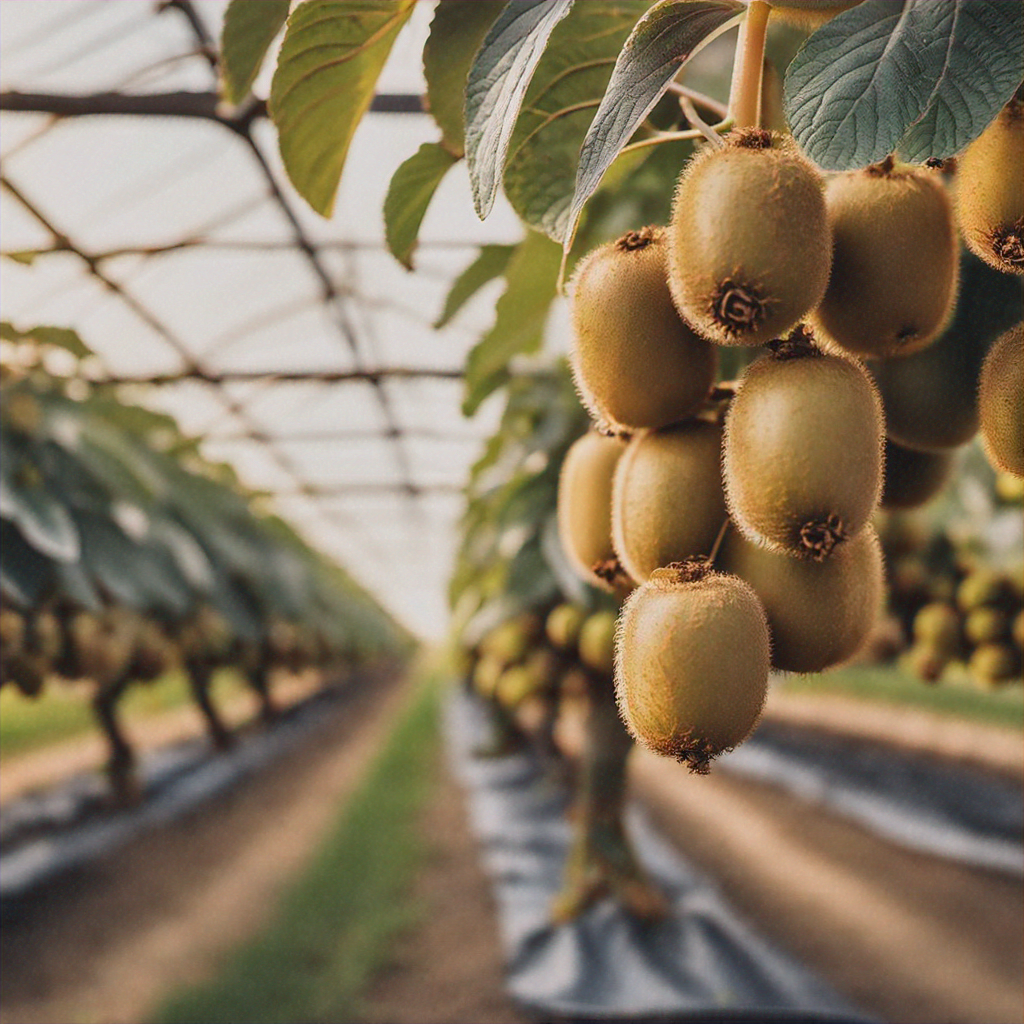
Trellising is also a crucial aspect of kiwi fruit plant care, as it provides support for the heavy, sprawling vines. A well-designed trellis system can help maximize sunlight exposure, improve airflow, and facilitate efficient harvesting.
Pest Management and Disease Prevention
Kiwi fruit plants in California can be susceptible to a range of pests and diseases, which can severely impact their growth and productivity. Proactive pest management and disease prevention strategies are essential to ensure the health and longevity of your kiwi vines.
Common pests that may affect kiwi plants in California include:
- Aphids
- Mealybugs
- Thrips
- Spider mites
To manage these pests, consider implementing an integrated pest management (IPM) approach, which combines cultural, mechanical, and, if necessary, selective use of pesticides. Regularly monitoring your kiwi vines for signs of pest infestation and addressing any issues promptly can help prevent widespread damage.
Similarly, kiwi fruit plants can be susceptible to various diseases, such as:
- Phytophthora root rot
- Botrytis blight
- Bacterial canker
- Powdery mildew
Implementing preventive measures, such as maintaining good air circulation, avoiding overhead irrigation, and using disease-resistant cultivars, can go a long way in protecting your kiwi vines. Additionally, promptly identifying and addressing any signs of disease can help mitigate the spread and minimize the impact on your crop.
Fertilization and Nutrient Management
Kiwi fruit plants require a balanced and well-timed fertilization regimen to support their growth and fruit production. In California, the ideal fertilizer schedule typically follows these guidelines:
- Early spring (March-April): Apply a balanced, slow-release fertilizer to provide a steady supply of essential nutrients throughout the growing season.
- Mid-summer (July-August): Apply a supplemental, high-potassium fertilizer to support fruit development and quality.
- Late fall (November-December): Apply a nitrogen-rich fertilizer to encourage strong root growth and prepare the plant for the upcoming dormant season.
It is important to note that the specific fertilizer recommendations may vary depending on the soil conditions, plant needs, and local regulations. Consulting with a local agricultural extension or a qualified horticulturist can help you develop a customized fertilization plan for your kiwi fruit plants.
Harvesting and Post-Harvest Care
Proper harvesting and post-harvest care are crucial for ensuring the quality and longevity of your kiwi fruit crop. In California, kiwi fruits typically reach maturity and are ready for harvest in the late fall or early winter, typically from October to December.
To determine the optimal harvesting time, look for the following signs:
- Fruit size: Kiwi fruits should be plump and full-sized, with a diameter of 1.5-2.5 inches.
- Skin color: The skin should have a dull, brownish-green appearance, with a slight change in hue from the earlier stages of development.
- Firmness: Gently squeeze the fruit; it should be slightly soft but still have some resistance to the touch.
Once harvested, it is essential to handle the kiwi fruits with care to prevent bruising or damage. Store the harvested fruits in a cool, dry place, and consider refrigeration to extend their shelf life. Proper post-harvest care can help ensure the kiwi fruits retain their flavor, texture, and nutritional value, making them a delightful and healthy addition to your culinary repertoire.
Conclusion
Cultivating kiwi fruit plants in California requires a deep understanding of their specific needs and a commitment to providing the best possible care. By following the expert guidance and best practices outlined in this comprehensive guide, you can ensure the success and longevity of your kiwi fruit operation.
From soil preparation and irrigation to pest management and harvesting, each aspect of kiwi fruit plant care plays a crucial role in the overall health and productivity of your crop. By implementing these strategies, you can not only enjoy the delicious and nutritious kiwi fruits but also contribute to the thriving agricultural landscape of California, where the kiwi plant has found a welcoming home.