Plant Doctor & Care for Kiwi Fruit – China Guide: Step-by-Step & Yield Tips
In the vast and diverse agricultural landscape of China, kiwi fruit stands out as a true gem, treasured for its unique flavor, nutritional benefits, and the crucial role it plays in supporting the livelihoods of countless farmers. As a plant doctor, I am honored to share my expertise on the intricate art of cultivating and caring for this remarkable fruit. In this comprehensive guide, we’ll delve into the step-by-step process of growing kiwi fruit, explore the common challenges faced by growers, and uncover the secrets to maximizing your kiwi fruit yield.
Understanding the Kiwi Fruit Plant
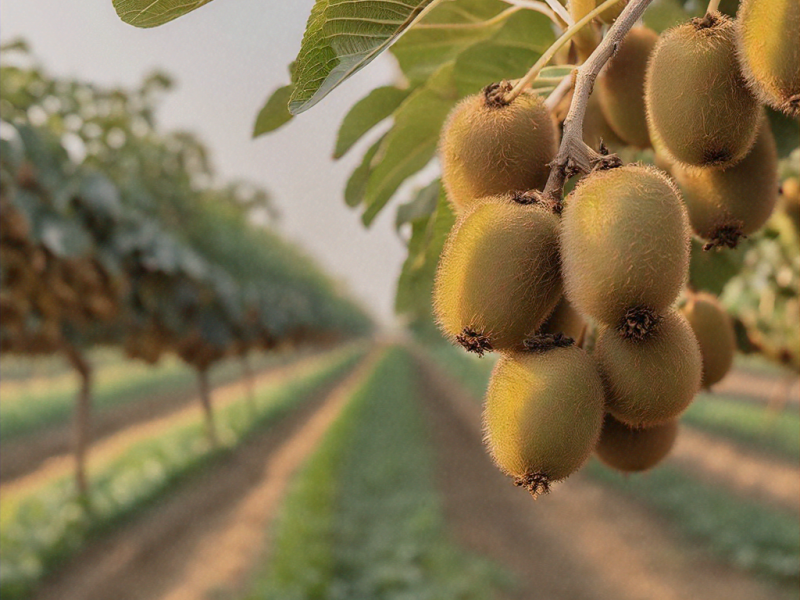
The kiwi fruit plant, botanically known as Actinidia deliciosa, is a hardy, woody vine native to the mountainous regions of China. Thriving in temperate climates, kiwi fruit plants require well-drained soil, ample sunlight, and a delicate balance of moisture to thrive. These versatile vines can be trained to grow on trellises, pergolas, or even as ground cover, making them a versatile addition to any agricultural setting.
Preparing the Planting Site
The foundation for a successful kiwi fruit harvest begins with the careful selection and preparation of the planting site. Here are the key steps to consider:
- Soil Selection: Kiwi fruit plants prefer well-drained, nutrient-rich soil with a pH range of 6.0 to 6.5. Amend the soil with organic matter, such as compost or well-rotted manure, to ensure optimal nutrient availability.
- Sun Exposure: Kiwi fruit plants thrive in full sun, requiring at least 6-8 hours of direct sunlight per day. Choose a location that is sheltered from strong winds and frost pockets.
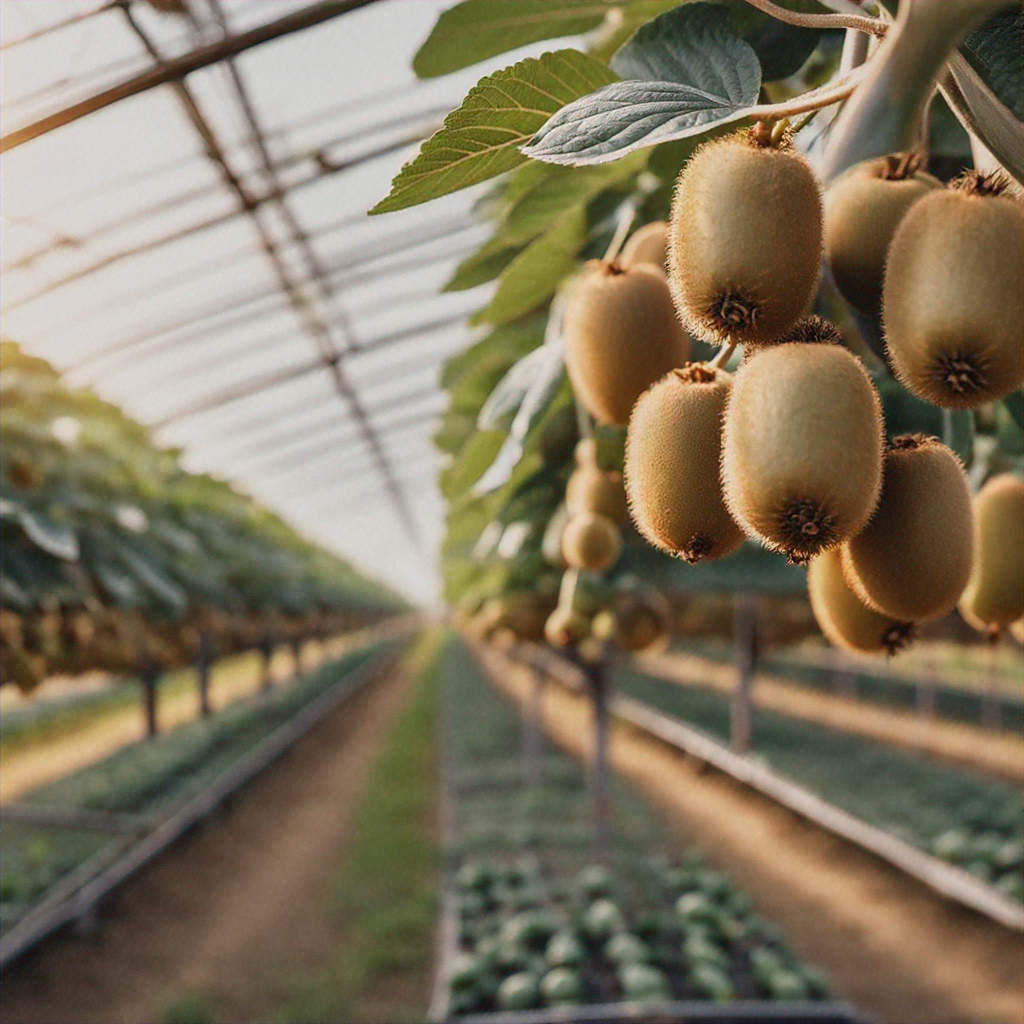
- Spacing and Trellising: Plant kiwi fruit vines 12-15 feet apart, providing ample room for their extensive root systems and allowing for proper air circulation. Install a sturdy trellis or support system to guide the vines as they grow.
Planting and Establishment
Proper planting techniques are crucial for the long-term success of your kiwi fruit plants. Follow these steps for a strong start:
- Timing: The ideal planting time for kiwi fruit is during the spring or early fall, when the soil is moist and temperatures are mild.
- Planting Depth: Dig a hole that is slightly deeper and wider than the plant’s root system, and plant the kiwi fruit vine at the same depth it was growing in the nursery container.
- Watering: Water the plant thoroughly after planting, ensuring that the soil is well-saturated. Maintain consistent soil moisture during the first year to support root establishment.
- Mulching: Apply a 3-4 inch layer of organic mulch, such as wood chips or bark, around the base of the plant to retain moisture and suppress weed growth.
Ongoing Care and Maintenance
Nurturing your kiwi fruit plants through their various growth stages is essential for a bountiful harvest. Let’s explore the key aspects of kiwi fruit care:
Pruning and Training
Proper pruning and training techniques are critical for maintaining the health and productivity of your kiwi fruit plants. Aim to prune in late winter or early spring, before new growth appears. Remove any damaged, diseased, or unproductive canes, and selectively thin out the interior of the plant to promote air circulation and light penetration. Train the remaining canes along the trellis system, guiding them into a well-structured, open canopy.
Irrigation and Fertilization
Consistent and appropriate irrigation is crucial for kiwi fruit plants. Provide them with 1-2 inches of water per week, either through rainfall or supplemental irrigation. During periods of drought or extreme heat, increase watering frequency to prevent stress and maintain optimal soil moisture. Supplement the soil with a balanced, slow-release fertilizer in early spring, focusing on providing the essential nutrients for plant growth and fruit production.
Pest and Disease Management
Kiwi fruit plants, like any agricultural crop, can be susceptible to various pests and diseases. Vigilant monitoring and proactive management are key to maintaining the health of your plants. Common challenges include the following:
- Pests: Aphids, mealybugs, and scale insects can feed on the plants, causing stunted growth and reduced yields. Utilize integrated pest management (IPM) techniques, such as introducing beneficial insects or applying targeted, eco-friendly pesticides.
- Diseases: Kiwi fruit plants may encounter issues like canker, root rot, and leaf spot. Maintain good soil drainage, promote air circulation, and apply fungicides or other disease-control measures as needed.
Pollination and Fruit Set
Kiwi fruit plants require cross-pollination between male and female plants to set fruit. Ensure that you have at least one male plant for every 6-8 female plants in your orchard. Encourage the presence of pollinators, such as bees, by planting a diverse array of flowering plants nearby. Monitor fruit set and thin the clusters if necessary to ensure optimal fruit size and quality.
Maximizing Kiwi Fruit Yield
Achieving a bountiful kiwi fruit harvest requires a multifaceted approach. Here are some tips to optimize your yields:
- Proper Pruning and Training: Maintain a well-structured, open canopy through regular pruning and training to improve light penetration and air circulation, resulting in higher-quality fruit.
- Nutrient Management: Regularly test your soil and apply the appropriate balance of macro- and micronutrients to support optimal plant growth and fruit production.
- Irrigation Strategies: Implement efficient irrigation systems and practices to ensure consistent soil moisture, especially during critical growth stages and fruit development.
- Pest and Disease Control: Vigilantly monitor your kiwi fruit plants and promptly address any pest or disease issues to prevent yield losses.
- Pollination Enhancement: Encourage the presence of pollinators, such as bees, and consider hand-pollination techniques to maximize fruit set and yield.
- Fruit Thinning: Selectively remove some fruit clusters to promote the development of larger, higher-quality kiwi fruits.
Conclusion
Cultivating kiwi fruit in China is a rewarding and fulfilling endeavor, deeply rooted in the rich agricultural heritage of the region. By understanding the unique needs of the kiwi fruit plant, preparing the planting site with care, and implementing best practices for ongoing plant care and maintenance, you can unlock the true potential of this incredible fruit. Through diligent attention to detail and a commitment to sustainable farming practices, you can not only reap bountiful harvests but also contribute to the overall well-being of your local community and the environment. As a plant doctor, I am honored to share this comprehensive guide, empowering you to embark on a successful kiwi fruit growing journey and become a steward of this cherished agricultural treasure.