Growing Kiwi Fruit – Plant Doctor & Care for India: Complete Guide & Best Practices
In the diverse agricultural landscape of India, the kiwi fruit has emerged as a captivating and lucrative crop. Often associated with the lush landscapes of New Zealand, this nutrient-dense fruit has found a thriving home in the temperate regions of India, offering both growers and consumers a delightful and rewarding experience. In this comprehensive guide, we delve into the world of kiwi fruit cultivation, exploring the essential aspects of plant care, disease management, and best practices to ensure a bountiful harvest in the Indian context.
Understanding the Kiwi Fruit Plant
The kiwi fruit, botanically known as Actinidia deliciosa, is a deciduous vine that originates from the mountainous regions of China. This hardy plant is known for its exceptional adaptability, thriving in a wide range of climatic conditions, including the temperate zones of India.
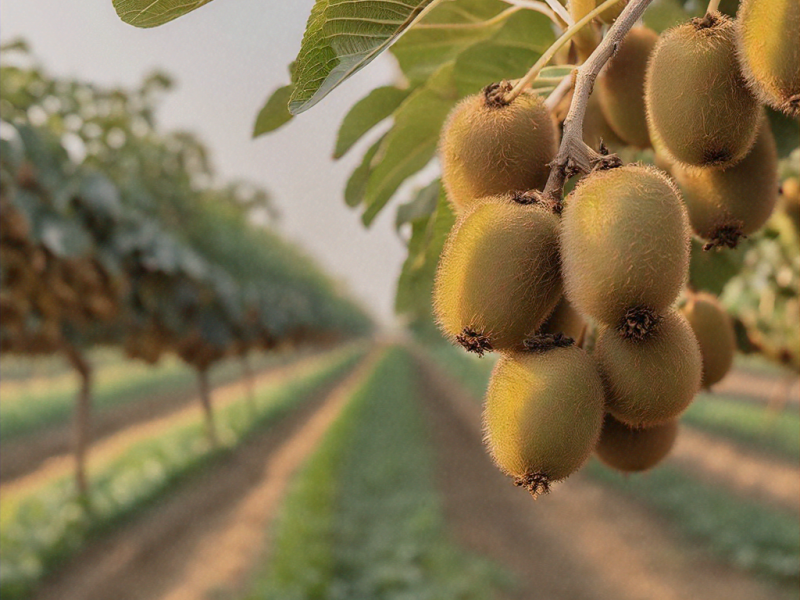
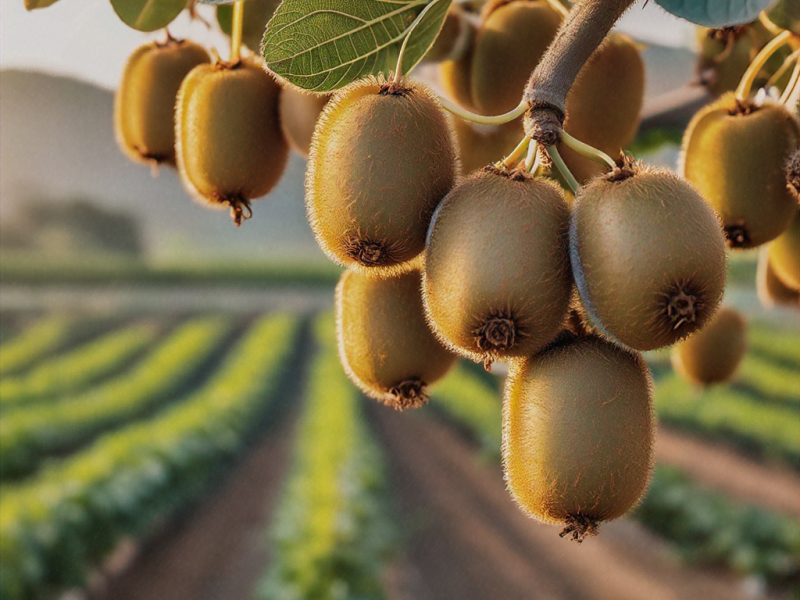
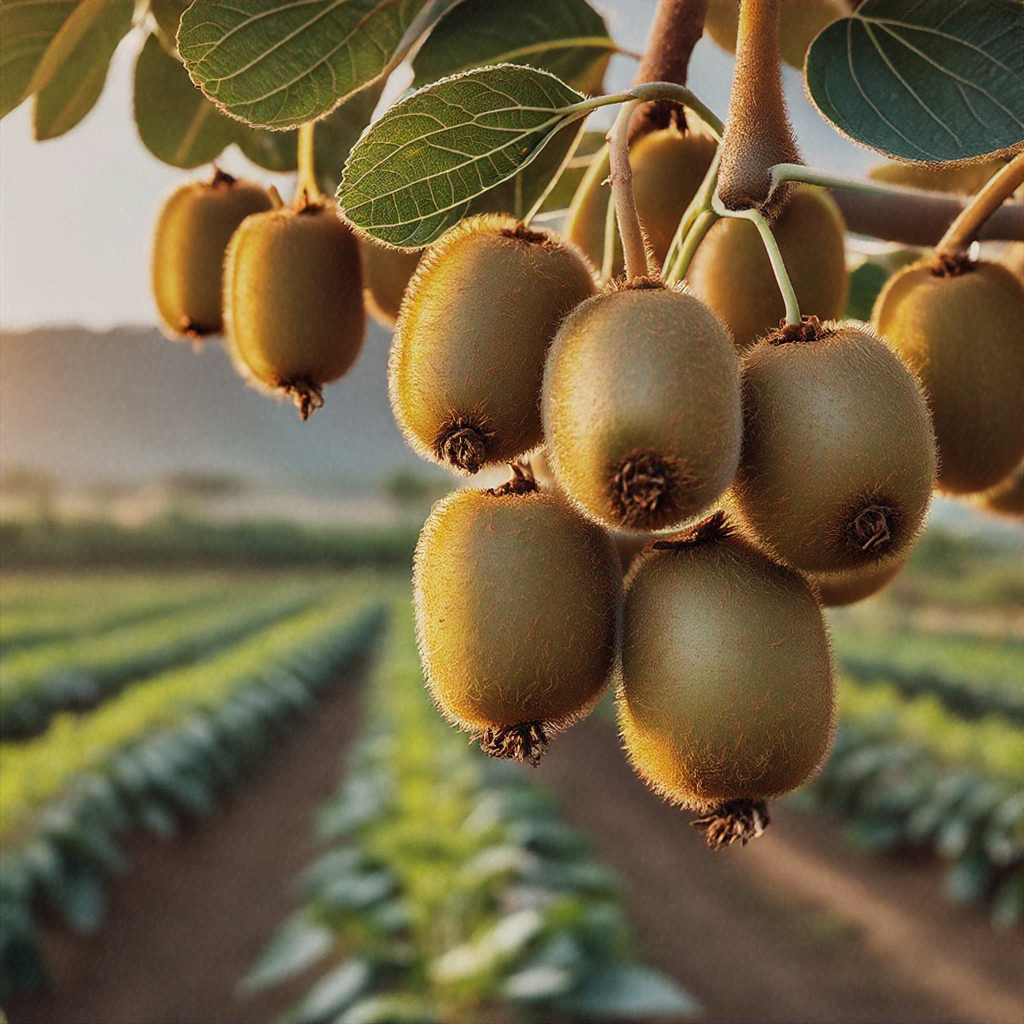
The kiwi fruit plant is characterized by its large, heart-shaped leaves and distinctive fuzzy brown fruit. The interior of the fruit boasts a vibrant green flesh, dotted with tiny black seeds, and a refreshing, slightly tart flavor. Kiwi fruits are renowned for their impressive nutritional profile, being rich in vitamins C, E, and K, as well as a good source of dietary fiber, potassium, and antioxidants.
Climatic Requirements for Kiwi Fruit Cultivation in India
The success of kiwi fruit cultivation in India largely depends on the prevailing climatic conditions. Kiwi fruits thrive in areas with a temperate climate, characterized by cool winters and warm, humid summers. The ideal temperature range for kiwi fruit cultivation falls between 15°C to 30°C, with a preference for cooler temperatures during the flowering and fruit development stages.
Additionally, kiwi fruits require a significant amount of rainfall, with an annual precipitation of around 1,000 to 1,500 mm. The plants are also sensitive to frost and can be damaged by prolonged exposure to low temperatures. Therefore, it is crucial to select cultivation sites that are protected from harsh winter conditions and late spring frosts.
Soil Requirements and Site Selection
Kiwi fruits thrive in well-drained, fertile soils with a slightly acidic pH range of 5.5 to 6.5. The soil should be rich in organic matter and have a good water-holding capacity to support the plant’s extensive root system.
When selecting a cultivation site, it is essential to consider factors such as soil composition, drainage, and access to water. Kiwi fruits prefer sites with gentle slopes or terraces to ensure proper drainage and air circulation, which can help prevent the buildup of fungal diseases.
Planting and Propagation
Kiwi fruits can be propagated through various methods, including seed propagation, stem cuttings, and tissue culture. However, the most common and efficient method in the Indian context is through the use of nursery-raised, grafted plants.
The planting season for kiwi fruits in India typically falls between the months of November and January, coinciding with the onset of the winter season. The plants should be spaced approximately 5 to 6 meters apart, with the male and female plants arranged in an alternating pattern to ensure proper pollination and fruit set.
Kiwi Fruit Care and Management
Irrigation and Fertilization
Kiwi fruits require a consistent and adequate supply of water throughout the growing season. During the initial establishment phase, the plants should be watered regularly, ensuring the soil remains moist but not waterlogged. As the plants mature, the watering schedule can be adjusted to accommodate the plant’s changing water needs.
Fertilization is another crucial aspect of kiwi fruit cultivation. A balanced, slow-release fertilizer, rich in nitrogen, phosphorus, and potassium, should be applied at the beginning of the growing season. Additionally, supplemental applications of micronutrients, such as boron and calcium, may be required to address specific deficiencies in the soil.
Pruning and Trellising
Proper pruning and training are essential for the optimal growth and fruit production of kiwi vines. The plants should be trained onto a sturdy trellis or support system, which helps to distribute the weight of the heavy fruits and facilitates air circulation around the plant.
Pruning should be carried out during the dormant season, typically between December and February. This involves the removal of old, unproductive canes, as well as the maintenance of a balanced canopy structure to ensure adequate light penetration and fruit development.
Pest and Disease Management
Kiwi fruits, like any other crop, are susceptible to various pests and diseases. Common challenges faced by growers in India include:
- Kiwi Vine Bacterial Canker: A bacterial disease that can lead to the dieback of canes and foliage
- Kiwi Fruit Rot: Caused by various fungal pathogens that can affect the fruit during the ripening stage
- Kiwi Vine Borer: A pest that tunnels into the vines, causing structural damage and reduced fruit production
- Aphids and Mealybugs: Sucking pests that can weaken the plant and transmit viral diseases
To manage these challenges, it is essential to implement an integrated pest and disease management (IPM) approach. This may involve the use of disease-resistant cultivars, proper sanitation practices, the application of targeted pesticides, and the introduction of beneficial organisms (such as predatory insects) to maintain a balanced ecosystem.
Harvesting and Post-Harvest Handling
Kiwi fruits typically reach maturity and become ready for harvest between the months of October and December in the Indian context. The fruits should be harvested when they have attained the desired size, color, and firmness. Careful handling during the harvesting process is crucial to minimize bruising and damage to the delicate fruit.
Post-harvest handling of kiwi fruits involves careful sorting, grading, and storage to maintain the fruit’s quality and extend its shelf life. Kiwi fruits should be stored in a cool, humid environment, preferably at a temperature of around 0°C to 5°C, to slow down the ripening process and prevent deterioration.
Challenges and Opportunities in Kiwi Fruit Cultivation in India
While kiwi fruit cultivation in India holds immense promise, there are also several challenges that growers must navigate. These include:
- Limited availability of high-quality, disease-resistant planting material
- Lack of specialized knowledge and expertise among Indian farmers regarding kiwi fruit cultivation
- Susceptibility to pests and diseases, which can be exacerbated by changing climatic conditions
- Difficulties in establishing reliable supply chains and access to lucrative markets
Despite these challenges, the potential for kiwi fruit cultivation in India remains significant. With targeted research, the development of region-specific cultivation practices, and the implementation of robust extension services, the kiwi fruit industry in India can thrive and provide growers with a valuable source of income and diversification.
Conclusion
Kiwi fruit cultivation in India represents a unique and promising opportunity for growers and agricultural enthusiasts. By understanding the specific climatic and soil requirements, as well as the best practices for plant care, disease management, and post-harvest handling, Indian farmers can unlock the full potential of this nutrient-dense and commercially viable crop.
Through collaborative efforts between researchers, extension services, and growers, the kiwi fruit industry in India can continue to evolve, addressing the challenges and capitalizing on the tremendous opportunities that lie ahead. By embracing sustainable cultivation techniques and exploring innovative marketing strategies, the kiwi fruit can become a vibrant and integral part of India’s diverse agricultural landscape, contributing to both economic growth and the overall well-being of the nation’s farming communities.