North America Kiwi Fruit Farming – Plant Doctor & Care: Ultimate Guide & Expert Advice
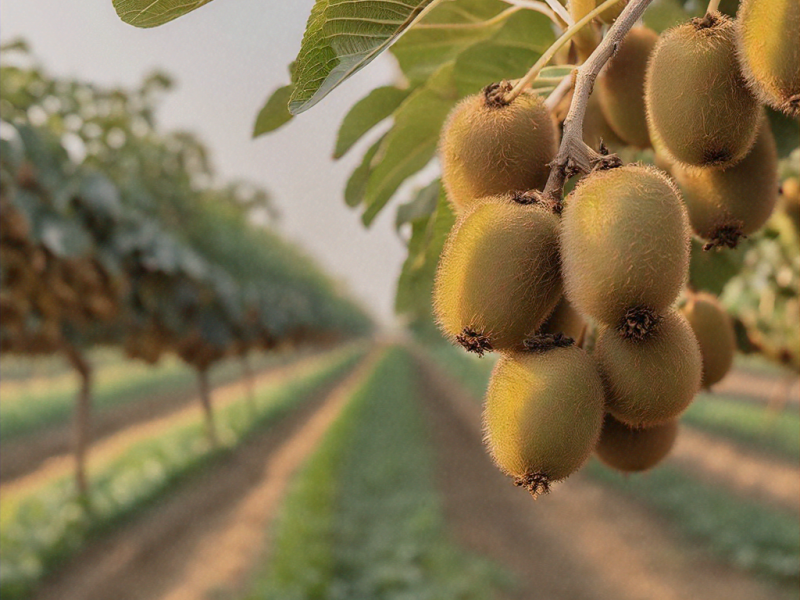
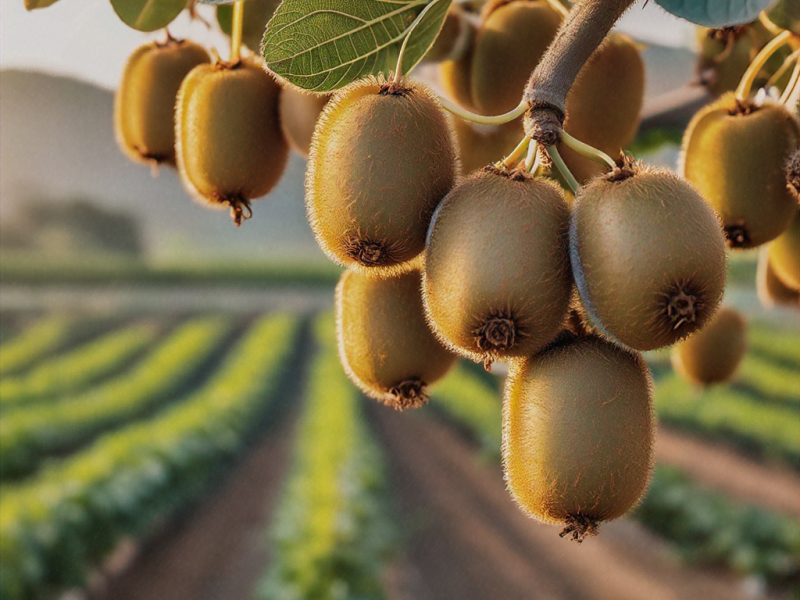
Welcome to the world of North American kiwi fruit farming! This guide will take you on a journey to explore the ins and outs of growing this unique and delicious fruit, with expert advice from plant doctors and industry professionals. Whether you’re a seasoned farmer or just starting your kiwi fruit adventure, this comprehensive resource will equip you with the knowledge and skills necessary to cultivate a thriving kiwi orchard.
Understanding the Kiwi Plant
The kiwi fruit, scientifically known as Actinidia deliciosa, is a perennial vine native to China. This hardy plant has found a new home in the temperate regions of North America, where it has become a beloved and valuable crop. Kiwi vines can grow up to 30 feet (9 meters) in length, with large, heart-shaped leaves and small, fragrant flowers that bloom in the springtime.
Kiwi plants are dioecious, meaning they have separate male and female plants. Both male and female plants are required for successful fruit production, with the male plants providing the pollen necessary for the female plants to bear fruit. Understanding this unique reproductive system is crucial for kiwi fruit farmers to ensure a bountiful harvest.
Site Selection and Soil Preparation
Choosing the right location for your kiwi orchard is the first step towards a successful harvest. Kiwi plants thrive in well-drained, slightly acidic soils with a pH range of 5.5 to 6.5. They also prefer areas with moderate temperatures, ample rainfall, and protection from strong winds, which can damage the delicate vines.
Before planting, it’s important to prepare the soil by amending it with organic matter, such as compost or well-rotted manure. This will improve the soil’s structure, drainage, and nutrient content, providing an optimal environment for your kiwi plants to flourish.
Planting and Trellising
Kiwi vines are typically planted in the spring or fall, with a spacing of approximately 15 to 20 feet (4.5 to 6 meters) between plants. It’s crucial to ensure that both male and female plants are included in the planting scheme, with a general ratio of one male plant for every six to eight female plants.
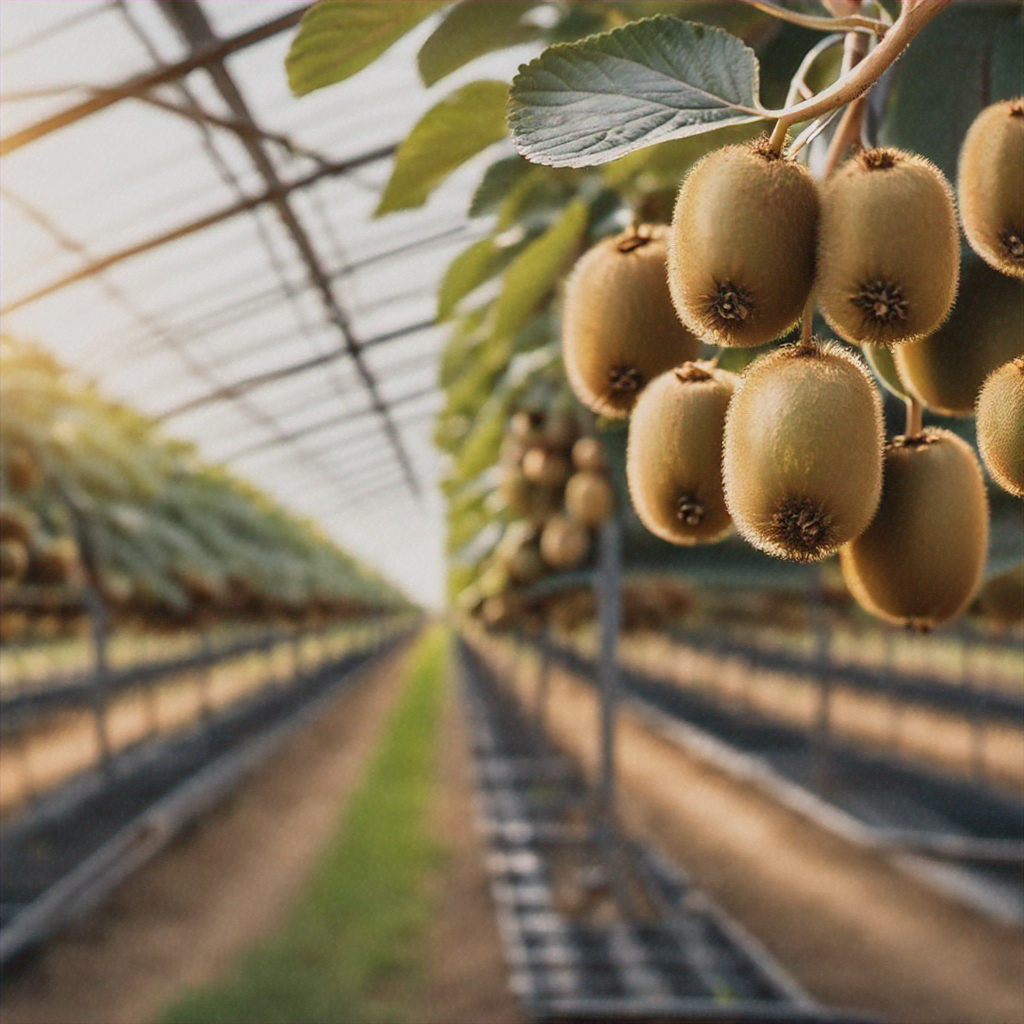
Trellising is an essential part of kiwi fruit cultivation, as it provides support for the vines and allows for efficient training and pruning. A common trellis system for kiwi is the T-bar or overhead trellis, which consists of a horizontal bar supported by sturdy posts. The vines are trained to grow along the trellis, ensuring proper air circulation and sunlight exposure for optimal fruit production.
Irrigation and Nutrient Management
Kiwi plants are thirsty and require consistent moisture throughout the growing season. Drip irrigation or micro-sprinklers are often the most efficient methods of watering, as they deliver water directly to the root zone and reduce water waste. Regular monitoring of soil moisture levels and adjusting the irrigation schedule accordingly is crucial for maintaining the health and productivity of your kiwi orchard.
In terms of nutrient management, kiwi plants have specific requirements. They benefit from a balanced fertilizer regimen that provides a steady supply of nitrogen, phosphorus, and potassium. It’s essential to conduct soil tests and follow the recommendations of your local agricultural extension or plant doctor to ensure your kiwi plants receive the optimal nutrient mix for their growth and development.
Pruning and Training
Proper pruning and training are essential for the long-term health and productivity of kiwi vines. Kiwi plants require annual pruning, typically in the late winter or early spring before bud break. This process involves removing dead or damaged wood, thinning out crowded areas, and shaping the vines to encourage a balanced and efficient canopy.
Training kiwi vines is a continuous process that helps maintain the desired shape and structure of the plants. This involves carefully guiding the vines along the trellis system, securing them with ties or clips, and ensuring adequate light penetration and air circulation throughout the canopy.
Pest and Disease Management
Kiwi plants are susceptible to various pests and diseases, which can significantly impact fruit quality and yield. Common issues include aphids, scale insects, mites, and fungal diseases such as Botrytis and Pseudomonas. Regular monitoring and proactive management strategies, such as the use of integrated pest management (IPM) techniques, are crucial for maintaining a healthy kiwi orchard.
Consulting with a plant doctor or local agricultural extension can help you identify and address any pest or disease problems that may arise in your kiwi orchard. They can provide guidance on the appropriate use of organic or synthetic pesticides, as well as cultural practices that can help prevent and manage these challenges.
Harvesting and Post-Harvest Handling
Kiwi fruits are typically harvested in the fall, usually between September and November, depending on the cultivar and growing region. The fruits are picked when they are fully developed but still firm to the touch, with a bright green color and a tiny brown spot at the blossom end.
After harvesting, the kiwi fruits must be handled with care to maintain quality and extend their shelf life. This includes careful sorting, grading, and storage in a cool, humid environment to prevent dehydration and decay. Proper post-harvest handling techniques can help ensure that your kiwi fruits reach the market in pristine condition, satisfying the expectations of consumers and maximizing your returns.
Marketing and Sales Strategies
As the demand for unique and nutritious fruits continues to grow, kiwi fruit has become an increasingly popular and valuable crop. North American kiwi farmers have a unique opportunity to tap into this market and establish their products as a sought-after regional specialty.
Effective marketing and sales strategies can help you differentiate your kiwi fruits and reach a wider audience. This may include developing a strong brand identity, participating in local farmers’ markets and food festivals, establishing relationships with local restaurants and retailers, or exploring e-commerce and direct-to-consumer sales channels.
Conclusion
Kiwi fruit farming in North America presents an exciting and rewarding opportunity for growers who are willing to invest the time and effort into mastering the art of kiwi cultivation. By understanding the unique requirements of the kiwi plant, implementing best practices in site selection, planting, and crop management, and leveraging effective marketing and sales strategies, you can establish a thriving kiwi orchard that not only benefits your bottom line but also contributes to the overall agricultural diversity and human welfare of your community.
Remember, with the right guidance and expert advice, your kiwi fruit farming journey can be a truly fruitful and fulfilling endeavor. Happy growing!