Cultivating Kiwifruit in Asia: A Comprehensive Guide for Aspiring Growers
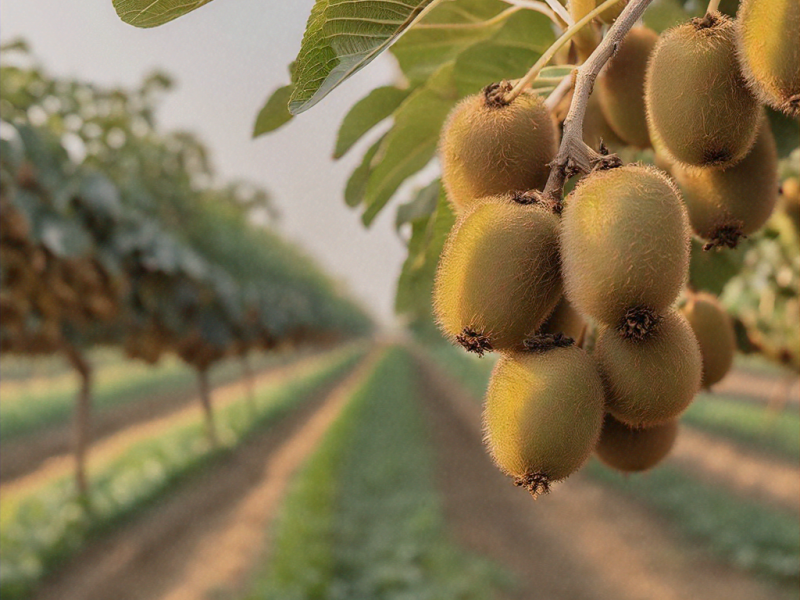
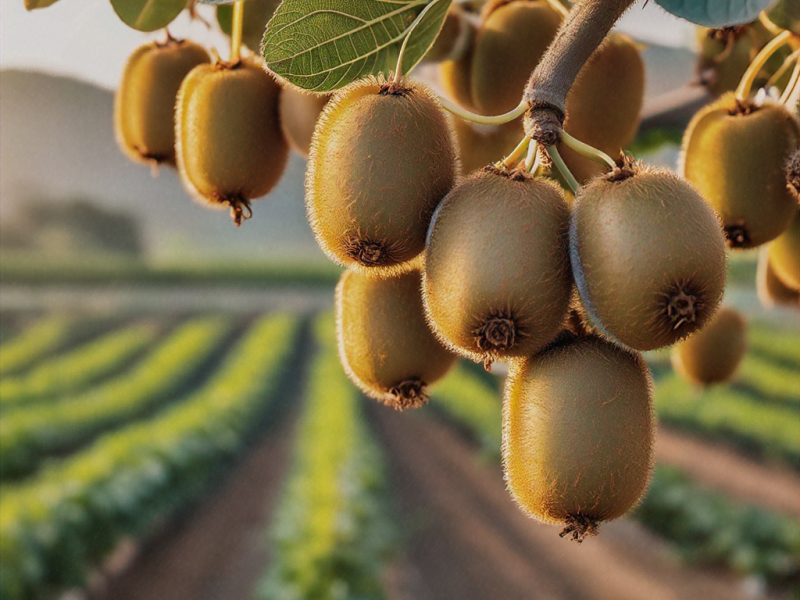
In the vibrant and diverse landscape of Asia, the cultivation of kiwifruit has emerged as a captivating and lucrative endeavor for both small-scale farmers and commercial producers. Kiwifruit, renowned for its distinctive flavor, exceptional nutrition, and versatility in culinary applications, has captured the hearts and palates of Asians across the region. Whether you’re a seasoned horticulturist or an enthusiastic newcomer to the world of agriculture, this comprehensive guide will equip you with the essential knowledge and techniques to successfully grow kiwifruit in the Asian climate.
Choosing the Right Kiwifruit Variety for Your Region
The first step in cultivating kiwifruit in Asia is to select the appropriate variety that thrives in your local climate and soil conditions. While kiwifruit is generally adaptable, certain cultivars perform better in specific regions. Some of the most popular and widely-grown kiwifruit varieties in Asia include:
- Hayward: A classic green-fleshed kiwifruit known for its excellent flavor, high yields, and adaptability to a wide range of climates.
- Gold Kiwifruit: Also known as Zespri Gold or SunGold, this variety boasts a stunning yellow flesh, a sweeter taste, and a shorter maturation period.
- Red Kiwifruit: An emerging variety with a vibrant red interior and a distinct, tart-sweet flavor profile, offering a unique alternative to traditional green kiwifruit.
- Mini Kiwifruit: Smaller in size but packed with flavor, these petite cultivars are well-suited for high-density planting and can thrive in more compact growing spaces.
Consult with local agricultural extension services or experienced kiwifruit growers in your region to determine the most suitable variety for your specific growing conditions and market preferences.
Preparing the Ideal Growing Environment
Kiwifruit plants thrive in a temperate, humid climate with well-drained soil and ample access to sunlight. When selecting a planting site, consider the following factors:
- Climate: Kiwifruit plants require a moderate climate with distinct seasons, including a period of dormancy during the winter months. Avoid areas with extreme temperatures, high winds, or excessive rainfall.
- Soil: Kiwifruit prefers well-drained, loamy soil with a slightly acidic pH (between 6.0 and 6.5). Amend the soil with organic matter, such as compost or aged manure, to improve drainage and nutrient content.
- Sunlight: Kiwifruit plants require at least six hours of direct sunlight per day, preferably in a south-facing or west-facing location to maximize exposure.
- Irrigation: Ensure a consistent water supply, especially during the growing season, to prevent stress and ensure optimal fruit development. Drip irrigation systems can be highly effective in maintaining soil moisture.
Proper site selection and preparation are crucial for establishing a healthy and productive kiwifruit orchard or garden.
Planting and Establishing Kiwifruit Vines
When it comes to planting kiwifruit, timing is key. In Asia, the optimal planting season is typically during the spring or early autumn, when temperatures are moderate, and the soil is moist but not waterlogged.
Here’s a step-by-step guide to planting and establishing your kiwifruit vines:
- Choose your planting material: Select high-quality, disease-free kiwifruit plants or dormant cuttings from a reputable nursery or supplier.
- Prepare the planting hole: Dig a hole that is twice the width of the root system and slightly deeper. Amend the soil with compost or well-rotted manure to enrich the planting area.
- Plant the kiwifruit vine: Gently remove the plant from its container and place it in the prepared hole. Ensure that the top of the root ball is level with the surrounding soil. Backfill the hole and water thoroughly to settle the soil.
- Provide support: Install a sturdy trellis or support system to guide the growth of the kiwifruit vine. This can be a simple fence or a more elaborate structure, depending on the scale of your operation.
- Mulch the planting area: Apply a 2-4 inch layer of organic mulch, such as wood chips or straw, around the base of the plant to retain moisture and suppress weed growth.
- Water and monitor: Regularly water the newly planted kiwifruit vine, ensuring the soil remains consistently moist but not waterlogged. Monitor the plant’s progress and adjust watering as needed.
With proper planting and care, your kiwifruit vines will become established and begin to thrive, setting the stage for future harvests.
Ongoing Kiwifruit Care and Maintenance
Successful kiwifruit cultivation requires diligent care and attention throughout the growing season. Here are the key aspects of maintaining a thriving kiwifruit orchard or garden:
Pruning and Training
Kiwifruit vines require regular pruning to maintain their shape, encourage productive growth, and optimize fruit production. Prune during the dormant winter months, removing any dead, damaged, or unproductive canes. Train the vines to grow along the trellis or support system, guiding the growth of new shoots and maintaining an open, well-ventilated canopy.
Fertilization
Kiwifruit plants are heavy feeders and require a balanced, nutrient-rich fertilizer regimen. Apply a slow-release organic fertilizer in early spring, followed by periodic applications of a balanced, water-soluble fertilizer throughout the growing season. Monitor the plants’ nutrient levels and adjust the fertilization schedule as needed.
Pest and Disease Management
Kiwifruit plants can be susceptible to various pests and diseases, such as aphids, scale insects, leaf spot, and fungal infections. Regularly inspect your plants and take proactive measures, such as introducing beneficial insects, applying organic pesticides, or implementing cultural practices (e.g., pruning, improving air circulation) to maintain the health of your kiwifruit vines.
Pollination and Fruit Thinning
Kiwifruit require cross-pollination to set fruit, so ensure that you have both male and female plants in your orchard or garden. Consider introducing beehives or other pollinator-friendly plants to attract pollinators and enhance fruit set. Additionally, thin the fruit clusters to ensure the remaining fruits develop to their full size and quality.
Harvest and Post-Harvest Handling
Kiwifruit are typically harvested in the autumn, when the fruits have reached their desired size, firmness, and sugar content. Carefully pick the fruit, handling them gently to prevent bruising, and store them in a cool, humid environment to maintain freshness and extend their shelf life.
Maximizing Yields and Profitability
For those interested in commercial kiwifruit production, there are several strategies to optimize yields and improve profitability:
- High-Density Planting: Adopt a high-density planting system, using dwarf or semi-dwarf rootstocks and closer plant spacing, to increase the number of productive vines per acre.
- Variety Selection: Choose a diverse range of kiwifruit cultivars with different maturity windows to extend the harvesting season and meet market demands.
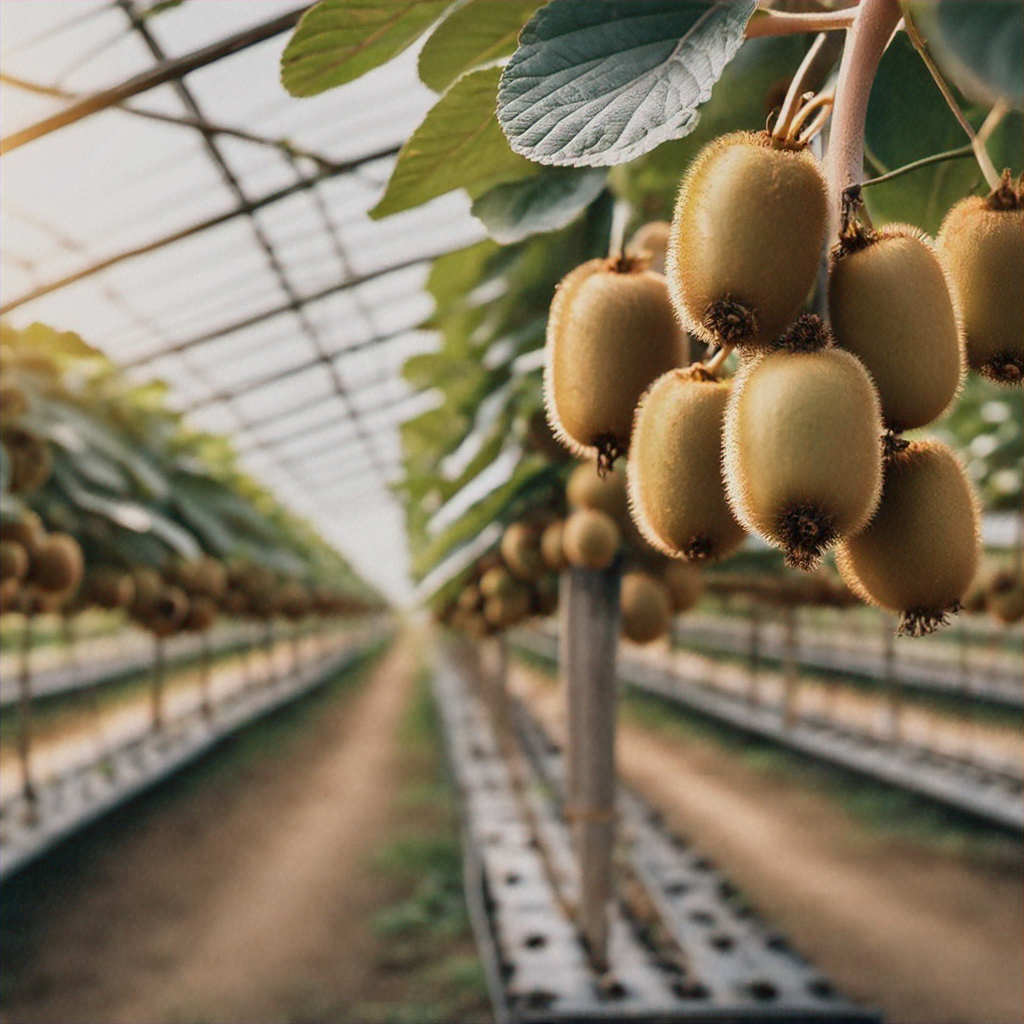
- Invest in Irrigation and Fertigation: Implement advanced irrigation systems and integrate nutrient delivery through the irrigation network (fertigation) to precisely control water and nutrient inputs for maximum efficiency.
- Adopt Sustainable Practices: Embrace organic or integrated pest management techniques to reduce the use of synthetic chemicals, appealing to environmentally conscious consumers and opening up new market opportunities.
- Explore Value-Added Products: Consider processing kiwifruit into juices, jams, purees, or other value-added products to diversify your revenue streams and reduce waste.
By combining sound horticultural practices, innovative production methods, and a keen understanding of market trends, kiwifruit growers in Asia can unlock the full potential of this versatile and profitable crop.
Conclusion
Kiwifruit cultivation in Asia presents a wealth of opportunities for both small-scale farmers and large-scale commercial producers. By selecting the right cultivars, preparing the ideal growing environment, and meticulously caring for your kiwifruit vines, you can establish a thriving and productive orchard or garden that not only satisfies the growing demand for this nutritious and flavorful fruit but also contributes to the overall agricultural and economic well-being of your local community. Embark on your kiwifruit growing journey today and reap the rewards of this captivating and rewarding horticultural pursuit.