Plant Doctor & Care for Kiwi Fruit – Global Guide: Step-by-Step & Yield Tips
In the realm of agriculture, the humble kiwi fruit has gained significant popularity worldwide for its remarkable health benefits and unique, refreshing flavor. As a plant enthusiast and self-proclaimed “plant doctor,” I’ve dedicated countless hours to understanding the intricate needs and care requirements of this incredible fruit. In this comprehensive guide, I’ll share my expertise on the step-by-step process of nurturing kiwi plants, as well as valuable tips to maximize your kiwi fruit yield.
Understanding the Kiwi Fruit Plant
The kiwi fruit, scientifically known as Actinidia deliciosa, is a perennial vine native to the cool, temperate regions of China. These hardy plants thrive in climates with mild summers and cool, wet winters, making them an excellent choice for many parts of the world. Kiwi plants are typically dioecious, meaning they have separate male and female plants, which is an important consideration when establishing a successful kiwi orchard.
Site Selection and Soil Preparation
Choosing the right location for your kiwi plants is crucial for their long-term success. Kiwi plants prefer well-drained, fertile soil with a pH range of 5.5 to 6.5. Ensure the planting site receives at least six hours of direct sunlight per day and is protected from strong winds, which can damage the vines. Before planting, thoroughly prepare the soil by adding organic matter, such as compost or well-rotted manure, to improve drainage and nutrient content.
Planting and Trellising
Kiwi plants are typically propagated through cuttings or grafting, and the best time to plant them is during the dormant season, typically in the early spring or late fall. When planting, dig a hole that is twice the width of the root ball and plant the kiwi vine at the same depth as it was growing in the nursery container. Ensure that the graft union, if present, is planted several inches below the soil surface.
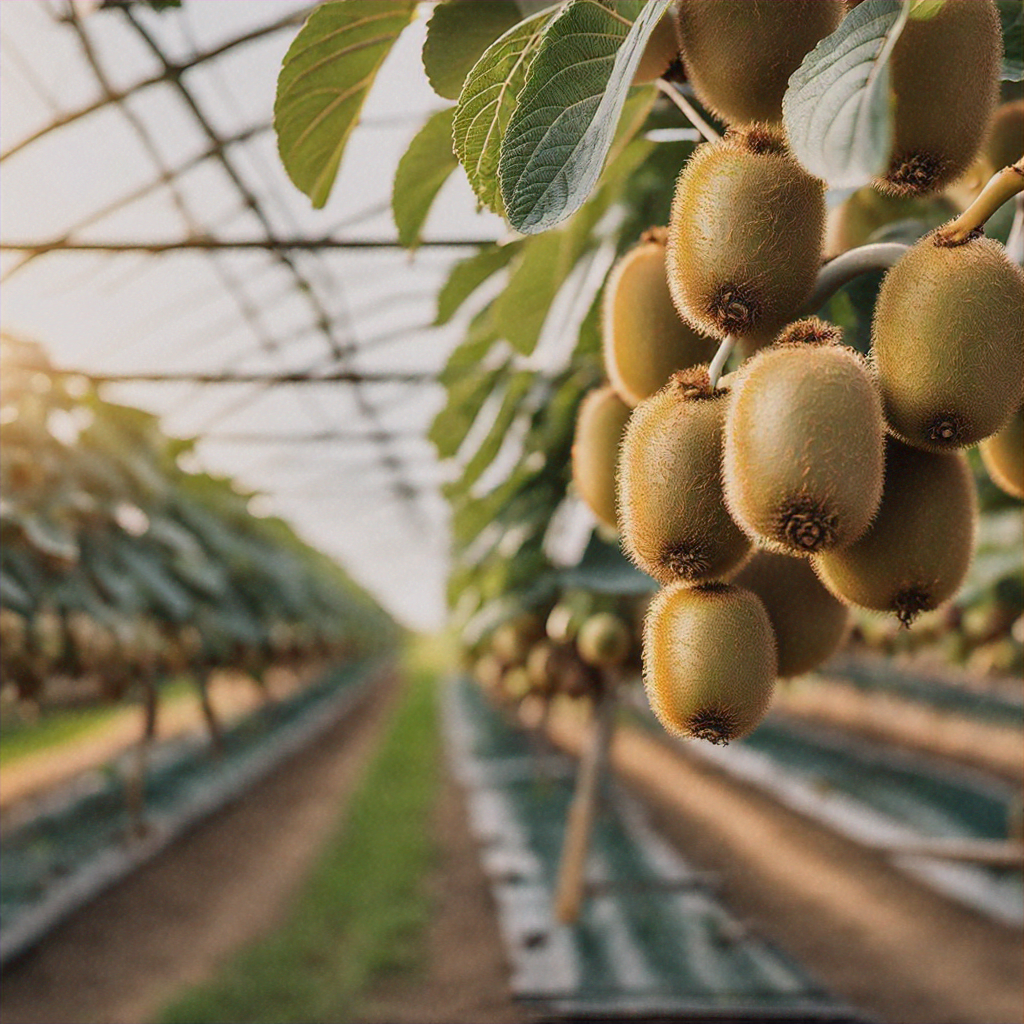
Kiwi vines require a sturdy trellis system to support their vigorous growth and heavy fruit loads. A common trellis design is the T-bar system, which consists of a series of posts connected by horizontal wires. As the vines grow, gently guide them along the trellis, ensuring they are trained in the desired direction.
Pollination and Fertilization
As mentioned earlier, kiwi plants are typically dioecious, meaning you’ll need to have both male and female plants to ensure successful pollination and fruit production. Generally, a ratio of one male plant for every six to eight female plants is recommended. Consider planting the male and female plants in close proximity to facilitate pollen transfer by insects or the wind.
Proper fertilization is essential for the health and productivity of your kiwi vines. Apply a balanced, slow-release fertilizer in early spring, and supplement with additional nitrogen, phosphorus, and potassium as needed throughout the growing season. Avoid over-fertilizing, as this can lead to excessive vegetative growth at the expense of fruit production.
Pruning and Training
Regular pruning and training are crucial for maintaining the shape and productivity of your kiwi vines. During the dormant season, focus on removing any dead, damaged, or crossing canes, as well as thinning out the interior of the vine to promote better air circulation and light penetration. As the growing season progresses, continue to train the vines along the trellis, ensuring they are growing in the desired direction.
In addition to the annual dormant-season pruning, you may need to perform summer pruning to remove any new growth that is not contributing to the plant’s overall structure or fruit production. This helps to redirect the plant’s energy into the developing fruit and ensures optimal yield.
Watering and Irrigation
Kiwi plants have a high water demand, especially during the hot summer months and when the fruit is developing. Aim to keep the soil consistently moist, but avoid waterlogging, which can lead to root rot and other issues. Consider installing a drip irrigation system to efficiently deliver water directly to the root zone, minimizing waste and promoting healthy plant growth.
Pest and Disease Management
Kiwi plants are susceptible to a variety of pests and diseases, which can significantly impact their productivity and overall health. Some common issues include:
- Aphids: Small, sap-sucking insects that can stunt plant growth and transmit viral diseases.
- Powdery mildew: A fungal disease that appears as a white, powdery growth on the leaves and can lead to premature leaf drop.
- Pseudomonas bacterial canker: A bacterial disease that can cause cane dieback and fruit rot.
- Armillaria root rot: A fungal disease that attacks the plant’s roots, leading to decline and potential death.
To combat these issues, implement an integrated pest management (IPM) approach, which combines cultural, biological, and, if necessary, limited chemical control methods. Regularly inspect your plants, practice good sanitation, and consider using organic or natural pest control products to maintain a healthy kiwi orchard.
Harvesting and Postharvest Handling
Kiwi fruit is typically ready for harvest in the late fall or early winter, depending on the cultivar and growing region. The fruits are ripe when they yield slightly to gentle pressure and have a slightly softened texture. Avoid over-ripening, as this can lead to a mushy, undesirable texture.
When harvesting, gently remove the fruit from the vine, taking care not to damage the delicate skin. Handle the kiwi fruit with care to minimize bruising and store them in a cool, humid environment to extend their shelf life. Kiwi fruit can be stored for several weeks under the right conditions, allowing you to enjoy their refreshing flavor long after the harvest.
Maximizing Kiwi Fruit Yield
To maximize the yield of your kiwi fruit, consider the following tips:
- Ensure proper pollination by maintaining an adequate ratio of male to female plants.
- Prune and train the vines regularly to maintain a healthy, balanced canopy and optimize light penetration.
- Fertilize the plants appropriately, adjusting the nutrient levels based on soil tests and plant needs.
- Implement effective pest and disease management strategies to protect the plants from harmful pests and pathogens.
- Provide consistent, adequate water to the plants, especially during fruit development.
- Carefully time the harvest to ensure the fruit is picked at the optimal ripeness stage.
By following these best practices, you can maximize the productivity and yield of your kiwi fruit plants, ensuring a bountiful harvest year after year.
Conclusion
Kiwi fruit is a versatile and nutritious crop that can thrive in many regions around the world, provided the grower understands the specific care requirements of these remarkable plants. By following the step-by-step guidance and tips outlined in this comprehensive guide, you’ll be well on your way to becoming a successful kiwi fruit grower, contributing to the overall agricultural landscape and human welfare through the production of this delicious and health-promoting fruit.