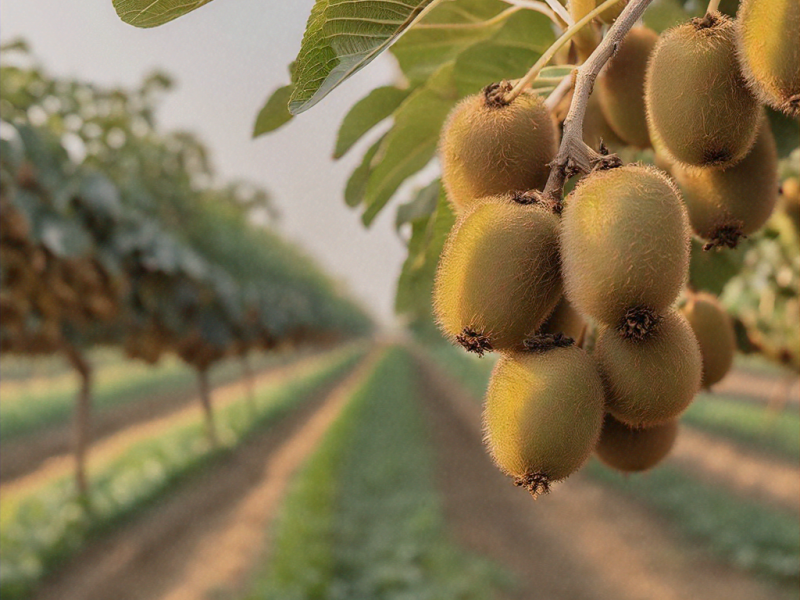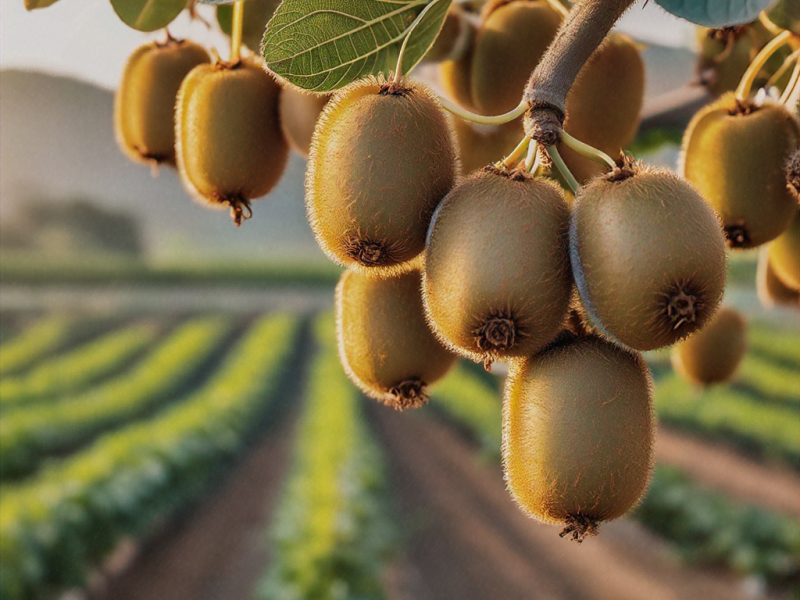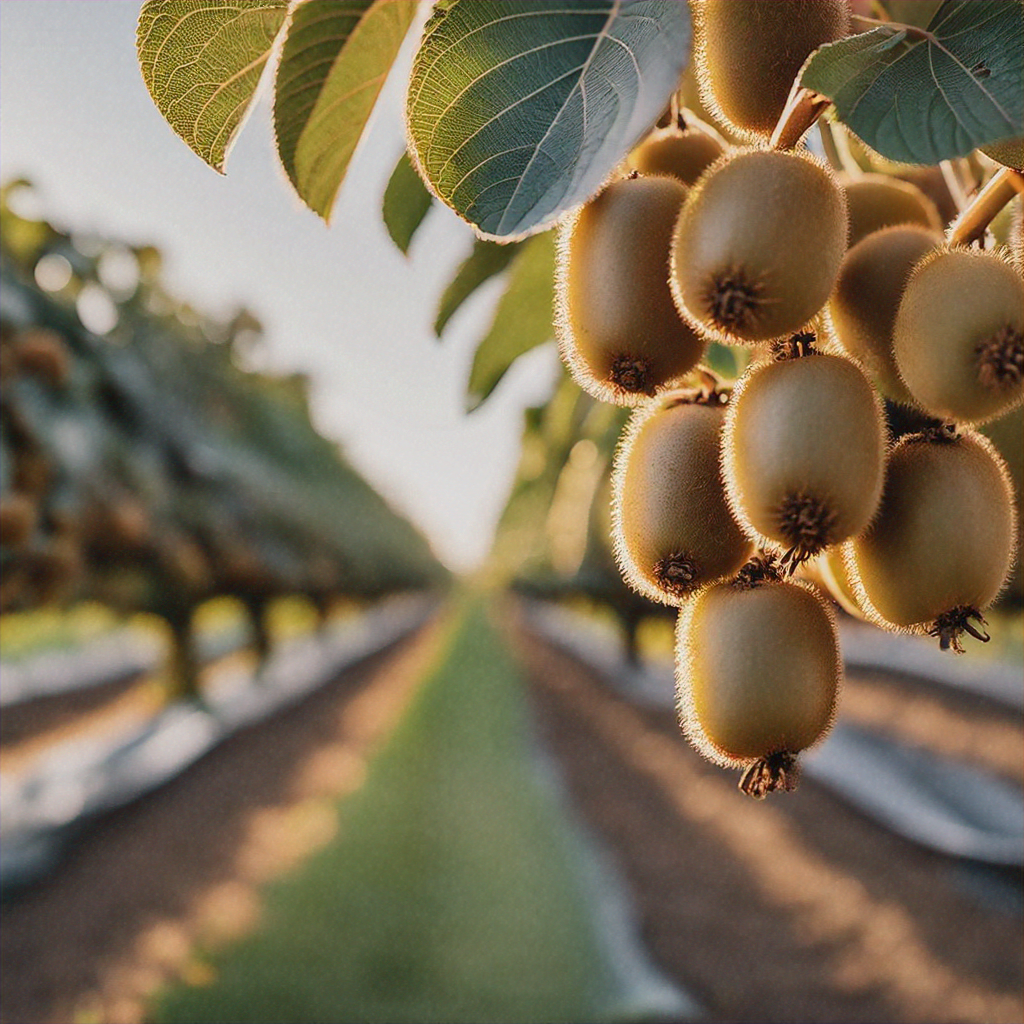
Unlock the Secrets of Growing Kiwi Fruit in California: Your Intelligent Growth Guide
As a gardener or a small-scale farmer in California, you might have considered the tantalizing prospect of growing your own kiwi fruit. The vibrant green flesh, the burst of tart-sweet flavor, and the distinct crunch of the tiny black seeds – kiwi fruit are a true delicacy, and the thought of harvesting them from your own backyard or orchard can be incredibly enticing. However, the journey to successful kiwi fruit cultivation in the Golden State can be a bit tricky, with unique challenges and considerations to keep in mind.
In this comprehensive guide, we’ll delve into the essential steps and best practices for growing kiwi fruit in California, empowering you with the knowledge and tools to embark on this exciting horticultural adventure. Whether you’re a seasoned gardener or a newcomer to the world of kiwi cultivation, this intelligent growth guide will equip you with the insights you need to nurture thriving kiwi vines and enjoy a bountiful harvest.
Understanding the Kiwi Fruit and Its Climate Requirements
Kiwi fruit, botanically known as Actinidia deliciosa, is a hardy, deciduous vine that originates from the mountainous regions of China. While the plant can adapt to a range of climates, it thrives in temperate regions with distinct seasons, such as those found in parts of California.
To ensure the successful cultivation of kiwi fruit in California, it’s crucial to consider the specific climate requirements of the plant. Kiwi vines prefer a Mediterranean-like climate, with warm, dry summers and mild, wet winters. The ideal temperature range for kiwi fruit cultivation falls between 60°F to 80°F (15.5°C to 26.6°C) during the growing season, with a dormant period during the winter months when temperatures can dip below freezing.
Additionally, kiwi vines require well-draining soil with a pH level between 6.0 and 6.5, as they are sensitive to both waterlogged and highly alkaline conditions. By understanding these fundamental requirements, you can strategically select the optimal growing location and prepare the soil for your kiwi fruit endeavor.
Selecting the Ideal Kiwi Variety for California
When it comes to growing kiwi fruit in California, not all varieties are created equal. Some cultivars are better suited to the state’s unique climate and growing conditions than others. Here are some of the top-performing kiwi fruit varieties for California cultivation:
- Hayward: This is the most widely grown and commercially available kiwi fruit variety, known for its large, egg-shaped fruits with a rich, sweet flavor. Hayward kiwi vines thrive in the Mediterranean-like climate of California.
- Bruno: A male pollinator variety that is often paired with the Hayward cultivar. Bruno kiwi vines are hardy, productive, and well-suited to California’s growing conditions.
- Tomuri: Another male pollinator cultivar that complements the Hayward kiwi, Tomuri is renowned for its adaptability and reliable pollination abilities in California’s climate.
- Abbot: This is a female kiwi fruit variety that is smaller in size but packs a punch of flavor. Abbot kiwi vines are well-suited to California’s Mediterranean climate.
When selecting kiwi varieties for your California garden or orchard, it’s important to choose a mix of male and female cultivars to ensure proper pollination and fruit production. Consult with local nurseries or agricultural extension services to determine the best combination of kiwi varieties for your specific region within the state.
Preparing the Planting Site and Establishing Kiwi Vines
Once you’ve chosen the ideal kiwi fruit varieties for your California growing conditions, it’s time to prepare the planting site and establish your kiwi vines. Follow these steps to set your kiwi fruit cultivars up for success:
- Site Selection: Choose a location that receives full sun exposure (at least 6 hours of direct sunlight per day) and is protected from strong winds. Kiwi vines thrive in well-draining, fertile soil with a slightly acidic pH.
- Soil Preparation: Amend the soil with organic matter, such as compost or well-rotted manure, to improve drainage and nutrient content. Aim for a soil pH between 6.0 and 6.5.
- Planting: Plant your kiwi vines in the spring, spacing them 10 to 15 feet apart to allow for proper growth and vine development. Dig a hole twice the width of the root ball and plant the vine at the same depth it was growing in the nursery container.
- Trellis or Pergola: Kiwi vines require a sturdy support system, such as a trellis or pergola, to climb and spread. Install the support structure before planting the vines to ensure proper growth and vine training.
- Irrigation and Mulching: Kiwi vines need consistent moisture, especially during the growing season. Implement a drip irrigation system or regular deep watering. Apply a 2-4 inch layer of organic mulch around the base of the vines to retain moisture and suppress weeds.
Ongoing Care and Maintenance for Thriving Kiwi Vines
Cultivating kiwi fruit in California is an ongoing process that requires careful attention and maintenance throughout the growing season. Here are some crucial steps to ensure the health and productivity of your kiwi vines:
Pruning and Vine Training
Proper pruning and vine training are essential for kiwi fruit production. Prune your vines in late winter or early spring, before bud break, to encourage new growth and fruit production. Regularly train the vines to follow the trellis or pergola, tying the canes and shoots to the support structure as the plant grows.
Pollination and Fruit Thinning
Kiwi vines require cross-pollination between male and female cultivars to set fruit. Ensure that you have a mix of male and female varieties planted in close proximity to facilitate pollination. Additionally, thin out the fruit clusters in early summer to promote larger, higher-quality kiwi fruits.
Nutrient Management
Kiwi vines are heavy feeders, requiring a balanced fertilizer regimen to support their growth and fruit production. Apply a slow-release, organic fertilizer in early spring, followed by a mid-season application of a water-soluble, high-nitrogen fertilizer to encourage lush foliage and flower bud formation.
Pest and Disease Management
California’s Mediterranean climate can make kiwi vines susceptible to various pests and diseases, such as aphids, scale insects, and fungal infections. Regularly inspect your vines and address any issues promptly using organic or integrated pest management techniques to maintain the health of your kiwi fruit crops.
Harvest and Post-Harvest Care
Kiwi fruit typically reach maturity and are ready for harvest in the fall, typically between September and November. Carefully pick the fruits when they are plump, soft, and release easily from the vine. Handle the kiwi with care to avoid bruising, and store them in a cool, humid environment to extend their shelf life.
Maximizing Kiwi Fruit Yield and Quality in California
By following the comprehensive guidance outlined in this intelligent growth guide, you’ll be well on your way to successfully growing kiwi fruit in California. Remember, patience and diligence are key – kiwi vines can take several years to reach full fruit-bearing maturity. With the right cultivars, proper site selection, and attentive care, you can unlock the secrets to a bountiful kiwi harvest and enjoy the sweet, tangy rewards of your labor.
As you embark on your kiwi fruit-growing journey in the Golden State, don’t hesitate to connect with local agricultural extension services, experienced kiwi farmers, and online gardening communities. Their insights and support can be invaluable in helping you navigate the unique challenges and opportunities of kiwi cultivation in California. Happy growing!