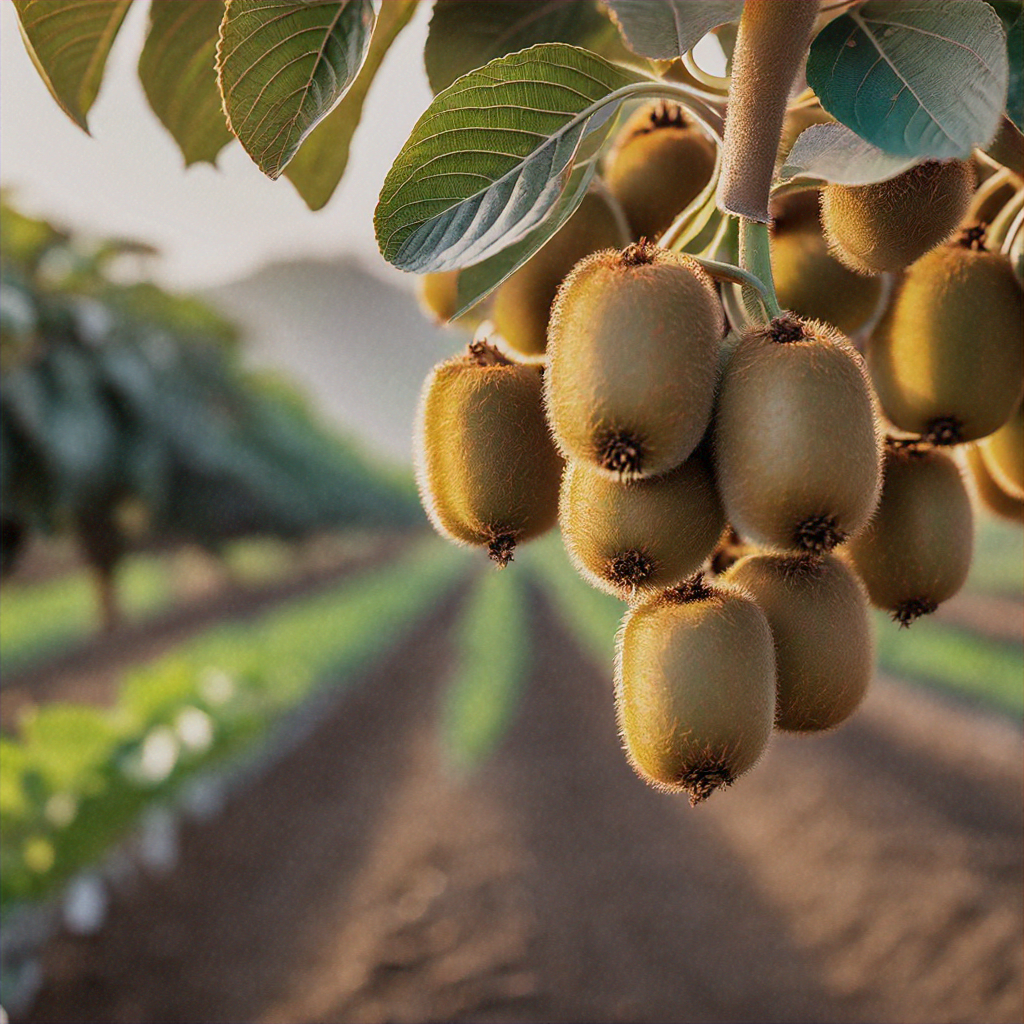
Kiwi Fruit Cultivation in Maharashtra: Intelligent Growth Guide – Varieties, Soil & Harvest
In the ever-evolving landscape of agriculture, Maharashtra has emerged as a promising frontier for the cultivation of a unique and nutritious fruit – the kiwi. As the demand for diverse and healthy food options continues to rise, the cultivation of kiwi fruit has gained significant traction in this region, presenting a compelling opportunity for farmers and consumers alike. In this comprehensive guide, we will delve into the intricacies of kiwi fruit cultivation in Maharashtra, exploring the optimal varieties, soil requirements, and techniques for a successful harvest.
Kiwi Fruit Varieties Thriving in Maharashtra
Maharashtra’s diverse climatic conditions and soil types have enabled the successful cultivation of several kiwi fruit varieties. Among the most prominent are:
- Hayward – A classic green-fleshed kiwi variety known for its high sugar content, juiciness, and distinct flavor profile.
- Gold – A vibrant yellow-fleshed kiwi with a sweeter and more tropical taste, often described as a cross between a mango and a pineapple.
- SunGold – A relatively new cultivar with a remarkable golden hue and a delightfully sweet, almost candy-like flavor.
- Red – An innovative kiwi variety with a striking red flesh, offering a unique and visually appealing alternative to the traditional green kiwi.
Each of these varieties has its own distinct characteristics, catering to a wide range of consumer preferences and culinary applications. By understanding the unique traits of these kiwi cultivars, farmers in Maharashtra can make informed decisions on which varieties to cultivate, ensuring a diverse and high-quality kiwi fruit production.
Soil Requirements for Optimal Kiwi Fruit Growth
The success of kiwi fruit cultivation in Maharashtra is largely dependent on the soil conditions. Kiwi vines thrive in well-drained, fertile soils with a slightly acidic pH range of 6.0 to 6.5. The ideal soil texture for kiwi cultivation is a loamy or sandy-loam composition, which provides the necessary nutrient balance and aeration for the plant’s root system to flourish.
In addition to the soil composition, it is crucial to ensure the soil has a consistent supply of organic matter. This can be achieved through the incorporation of compost, peat moss, or well-rotted manure, which not only enhances the soil’s fertility but also improves its water-holding capacity and overall structure.
Proper drainage is another essential factor in kiwi fruit cultivation. Kiwi vines are susceptible to waterlogging, which can lead to root rot and other detrimental diseases. Therefore, it is recommended to create raised beds or install drainage systems to ensure excess water is effectively removed from the planting area.
By meticulously addressing the soil requirements, farmers in Maharashtra can create an optimal growing environment for their kiwi fruit crops, leading to robust plant growth, higher yields, and superior fruit quality.
Cultivation Techniques for a Bountiful Kiwi Fruit Harvest
Cultivating kiwi fruit in Maharashtra requires a well-planned and executed strategy that takes into account various factors, from planting to harvesting. Let’s explore the key steps in the kiwi fruit cultivation process:
Site Selection and Planting
Kiwi vines thrive in areas with a temperate climate and moderate rainfall. In Maharashtra, the ideal locations for kiwi cultivation are typically found in the hilly regions or on slopes, where the soil drainage and air circulation are more favorable.
When it comes to planting, kiwi vines are typically grown using a trellis or pergola system, which provides the necessary support for the vigorous growth of the vines. The planting distance between individual vines should be around 4-6 meters, depending on the specific variety and the desired canopy size.</
Irrigation and Fertilization
Consistent and adequate water supply is crucial for the optimal growth and fruit production of kiwi vines. Drip irrigation systems are commonly employed in kiwi orchards, ensuring a targeted and efficient delivery of water to the plant’s root zone.
Fertilization is another essential aspect of kiwi fruit cultivation. A balanced NPK (nitrogen, phosphorus, and potassium) fertilizer regime, coupled with the periodic application of organic matter, helps to maintain the soil’s nutrient levels and support the overall health of the kiwi vines. It is recommended to consult with local agricultural experts to determine the most suitable fertilizer program for your specific growing conditions.
Pruning and Canopy Management
Proper pruning and canopy management are crucial for optimizing kiwi fruit production. Kiwi vines are known for their vigorous growth, and regular pruning is necessary to maintain their shape, optimize light penetration, and improve air circulation within the canopy.
The pruning process typically involves the removal of old, unproductive canes, the thinning of the canopy, and the training of new shoots onto the trellis system. This helps to ensure a consistent and high-quality kiwi fruit yield year after year.
Pest and Disease Management
Kiwi fruit cultivation in Maharashtra also requires vigilant pest and disease management. Common challenges include the management of pests such as aphids, leafrollers, and scale insects, as well as the prevention of fungal diseases like Botrytis and Pseudomonas.
Integrated Pest Management (IPM) strategies, which combine cultural, biological, and selective chemical controls, are recommended to maintain the overall health of the kiwi vines and ensure the production of high-quality, blemish-free fruits.
Harvesting and Post-Harvest Handling
The timing of the kiwi fruit harvest is crucial, as it directly impacts the fruit’s quality, flavor, and storability. In Maharashtra, kiwi fruits are typically harvested in the late autumn or early winter months, when the fruits have reached their optimal maturity and ripeness.
Careful handling during the harvesting process is essential to minimize mechanical damage and bruising. Post-harvest storage and handling techniques, such as cold storage and controlled atmosphere conditions, can further extend the shelf life of kiwi fruits, ensuring they reach consumers in the best possible condition.
The Future of Kiwi Fruit Cultivation in Maharashtra
As the demand for exotic and nutritious fruits continues to rise, the cultivation of kiwi in Maharashtra holds immense potential. With the region’s favorable climate, fertile soils, and the availability of advanced cultivation techniques, kiwi fruit production can become a thriving and sustainable agricultural enterprise.
By embracing the insights and best practices outlined in this guide, farmers in Maharashtra can unlock the true potential of kiwi fruit cultivation. Through the strategic selection of high-performing varieties, the implementation of precision soil management practices, and the adoption of cutting-edge cultivation techniques, they can cultivate kiwi fruits that not only meet the evolving consumer preferences but also contribute to the overall agricultural and economic growth of the region.
As we look to the future, the continued exploration and innovation in kiwi fruit cultivation in Maharashtra will undoubtedly pave the way for a more diverse, sustainable, and prosperous agricultural landscape – one that seamlessly integrates the cultivation of this remarkable fruit into the fabric of the region’s farming systems and culinary traditions.