Kiwi Fruit Cultivation in Brazil: Intelligent Growth Guide – Varieties, Soil & Harvest
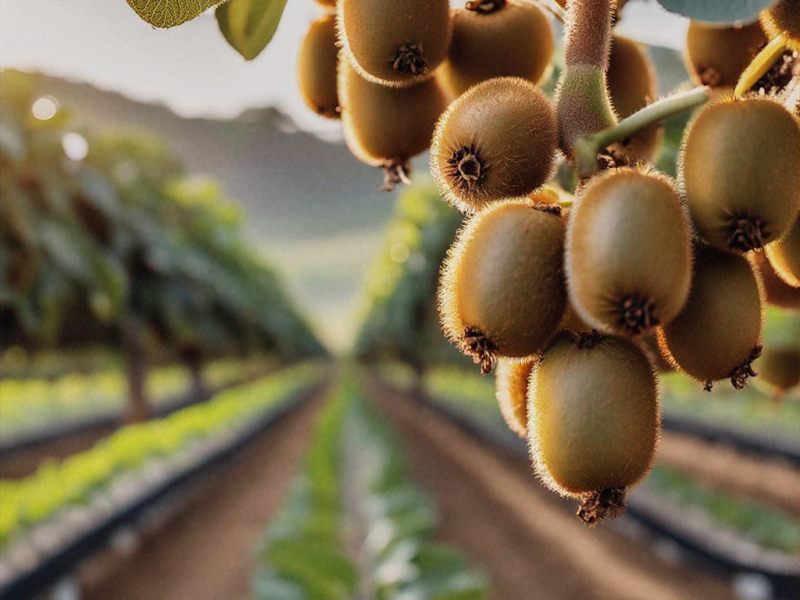
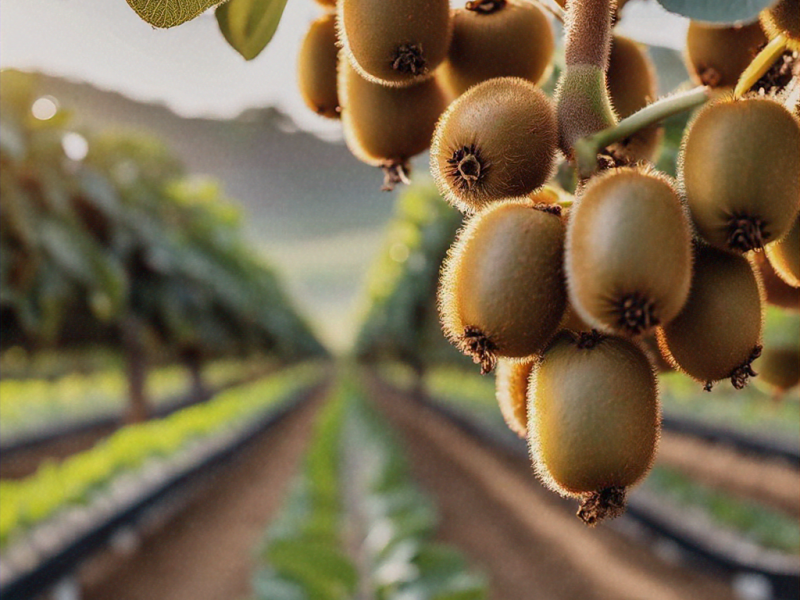
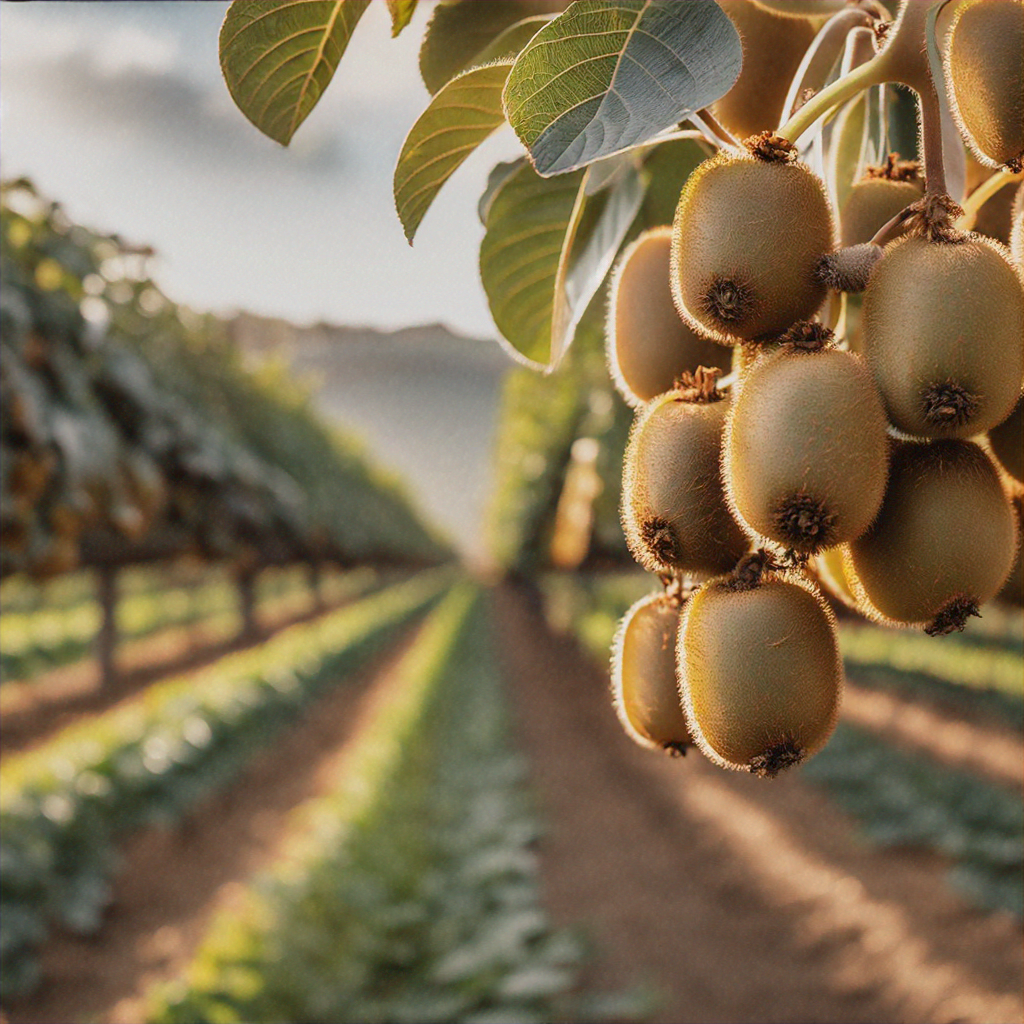
As the world’s appetite for nutritious and delicious produce continues to grow, the humble kiwi fruit has emerged as a shining star in the global agricultural landscape. In Brazil, where the climate and soil conditions are well-suited for kiwi cultivation, the potential for this versatile fruit to thrive and contribute to the country’s agricultural prosperity is immense. In this comprehensive guide, we delve into the nuances of kiwi fruit cultivation in Brazil, exploring the key factors that can ensure a successful and sustainable harvest.
Understanding Kiwi Fruit Varieties: Adapting to the Brazilian Climate
The success of kiwi fruit cultivation in Brazil hinges on selecting the right cultivars that can thrive in the local environmental conditions. While the country’s diverse climate offers a range of growing regions, the primary considerations for kiwi cultivation often include temperature, rainfall, and soil composition.
In Brazil, the most commonly cultivated kiwi fruit varieties include:
- Hayward: A popular and widely-grown cultivar known for its large, oval-shaped fruits with a vibrant green flesh and a distinctively sweet-tart flavor. Hayward kiwis are well-suited for the mild, subtropical climate found in many parts of Brazil.
- Gold Kiwi (Actinidia chinensis): This cultivar, with its striking yellow flesh and unique, slightly tropical flavor, has gained significant attention in recent years. Gold kiwis tend to thrive in warmer regions with a longer growing season, making them a suitable choice for cultivation in various Brazilian microclimates.
- Red Kiwi (Actinidia arguta): An emerging variety, the red kiwi boasts a stunning, deep-red flesh and a more intense, berry-like flavor. This cultivar is particularly well-suited for cultivation in the cooler, mountainous regions of Brazil, where the climate closely resembles its native habitat.
By carefully selecting the appropriate kiwi fruit cultivars for specific growing regions, Brazilian farmers can optimize their yields, ensure high-quality produce, and cater to the diverse preferences of both domestic and international consumers.
Soil Preparation and Nutrient Management for Kiwi Orchards
Kiwi fruit thrives in well-drained, nutrient-rich soils with a slightly acidic pH, typically ranging from 6.0 to 6.5. In Brazil, where the soil composition can vary considerably across different regions, careful soil preparation and nutrient management are crucial for successful kiwi cultivation.
Before establishing a kiwi orchard, it is essential to conduct a comprehensive soil analysis to determine the existing nutrient levels, pH, and any potential imbalances or deficiencies. This information will guide the necessary amendments and fertilization strategies to create the optimal growing environment for kiwi vines.
Key soil preparation and nutrient management practices for kiwi orchards in Brazil include:
- Soil Amendments: Incorporation of organic matter, such as compost or well-rotted manure, can improve soil structure, water-holding capacity, and nutrient availability. In acidic soils, the addition of lime can help adjust the pH to the desired range.
- Balanced Fertilization: Kiwi vines require a balanced blend of macronutrients (nitrogen, phosphorus, and potassium) and micronutrients (such as calcium, magnesium, and boron) to ensure healthy growth and robust fruit production. Tailored fertilization programs, based on soil analysis and plant needs, can help optimize nutrient availability throughout the growing season.
- Irrigation Management: Kiwi vines are sensitive to water stress, so a well-designed irrigation system that provides consistent, adequate moisture is crucial, particularly during the critical flowering and fruit development stages.
- Soil Health Maintenance: Implementing sustainable practices, such as cover cropping, crop rotation, and minimizing soil disturbance, can help maintain soil structure, microbial activity, and long-term fertility, ultimately supporting the overall health and productivity of the kiwi orchard.
By meticulously managing the soil and nutrient requirements of kiwi vines, Brazilian farmers can cultivate thriving orchards that consistently deliver high-quality, flavorful kiwi fruits.
Harvesting and Post-Harvest Handling: Ensuring Kiwi Fruit Quality
The journey from the kiwi orchard to the consumer’s table requires careful attention to harvesting techniques and post-harvest handling practices. In Brazil, where the kiwi fruit industry is rapidly evolving, adopting best practices can help maintain the fruit’s integrity, extend its shelf life, and ensure that the end product meets the expectations of both domestic and international markets.
Key considerations for the harvesting and post-harvest handling of kiwi fruits in Brazil include:
- Harvest Timing: Kiwi fruits should be harvested at the optimal maturity stage, when the fruit has reached the desired size, firmness, and soluble solids content. This typically occurs in the late fall or early winter months, depending on the cultivar and growing region.
- Harvesting Techniques: Kiwi fruits should be picked by hand, with care taken to minimize bruising or damage to the delicate skin and flesh. Careful handling during the harvesting process is crucial to maintain the fruit’s quality and extend its shelf life.
- Post-Harvest Handling: After harvesting, kiwi fruits should be promptly cooled to the appropriate storage temperature, typically around 0°C (32°F), to slow down the ripening process and preserve freshness. Proper storage conditions, including humidity control and air circulation, can further extend the fruit’s shelf life.
- Packaging and Transportation: Kiwi fruits should be packaged in a way that protects them from physical damage, while also allowing for proper air circulation. Careful handling and temperature-controlled transportation are essential to ensure the fruits reach their destination in optimal condition.
- Quality Assurance: Implementing rigorous quality control measures, such as regular fruit inspections, testing for firmness, and monitoring for pests or diseases, can help identify and address any issues before the kiwi fruits reach the market.
By adopting these best practices in harvesting and post-harvest handling, Brazilian kiwi producers can ensure that their fruits maintain their signature flavor, texture, and nutritional value throughout the supply chain, ultimately delighting consumers both domestically and internationally.
Unlocking the Potential of Kiwi Fruit Cultivation in Brazil
As the global demand for high-quality, nutrient-dense produce continues to rise, the opportunities for kiwi fruit cultivation in Brazil are truly remarkable. By leveraging the country’s favorable climatic conditions, implementing sustainable soil management practices, and adopting cutting-edge post-harvest handling techniques, Brazilian farmers can position themselves at the forefront of the kiwi fruit industry, catering to the evolving preferences of both domestic and international markets.
Through a strategic and informed approach to kiwi fruit cultivation, Brazil can not only enhance its agricultural productivity but also contribute to the overall well-being of its citizens and the global community. By fostering a thriving kiwi fruit industry, the country can bolster food security, create employment opportunities, and drive sustainable economic growth – all while offering consumers access to a nutritious, flavorful, and versatile fruit that has the potential to enrich their diets and culinary experiences.
As the kiwi fruit continues to captivate the global palate, Brazil’s unique position as a leader in this burgeoning industry presents an exciting opportunity to showcase its agricultural prowess, innovation, and dedication to cultivating a more sustainable and food-secure future.