Intelligent Growth Guide for Kiwi Fruit – India Guide: Step-by-Step & Yield Tips
In the realm of agriculture, where the well-being of humanity is intrinsically linked to the success of our crops, the cultivation of kiwi fruit stands as a compelling challenge. As a high-value, nutrient-dense fruit, kiwi cultivation has gained significant attention in India, a country with diverse climates and a rich agricultural heritage. This comprehensive guide aims to provide a step-by-step approach to intelligent kiwi fruit cultivation, offering insights and practical tips to maximize yields and ensure the optimal growth of this vibrant, emerald-hued delight.
Understanding the Kiwi Fruit: A Brief Introduction
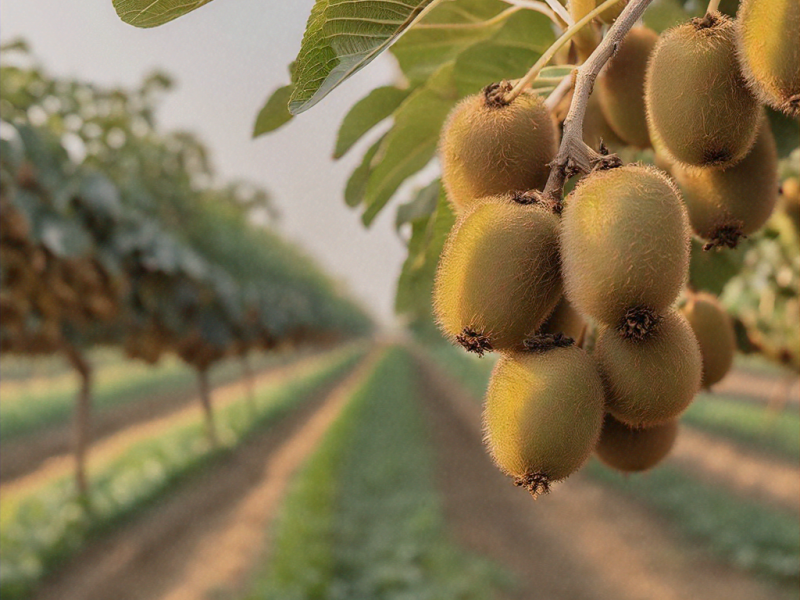
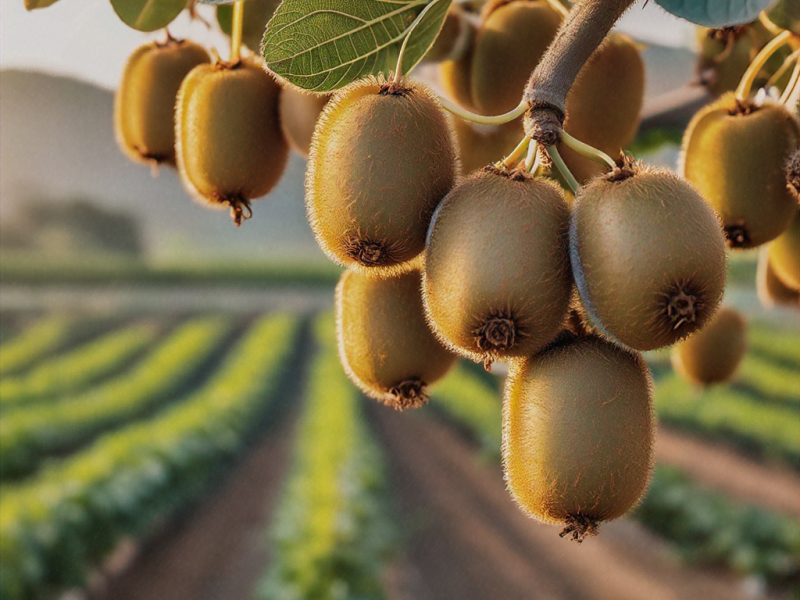
Kiwi fruit, scientifically known as Actinidia deliciosa, is a hardy, woody climbing vine native to the Yangtze River Valley of China. With its fuzzy, oval-shaped exterior and succulent, vitamin-packed flesh, the kiwi fruit has captured the hearts and palates of consumers worldwide. In India, the cultivation of kiwi fruit has gained momentum in recent years, particularly in the temperate regions of the Himalayas, where the climate and soil conditions are well-suited for its growth.
Site Selection and Soil Preparation
The foundation for successful kiwi fruit cultivation lies in the careful selection of the planting site and meticulous soil preparation. Kiwi vines thrive in well-drained, fertile soils with a pH range of 6.0 to 6.5. Avoid areas with poor drainage or heavy clay soils, as these can lead to root rot and other diseases. Optimal site selection should consider factors such as access to water, exposure to sunlight, and protection from strong winds.
Before planting, it is essential to prepare the soil by incorporating organic matter, such as compost or well-rotted manure, to improve soil structure and nutrient content. This step enhances the soil’s ability to retain moisture and provides a nutrient-rich environment for the kiwi vines to thrive.
Cultivar Selection and Planting
Selecting the appropriate kiwi cultivar is crucial for achieving successful cultivation in the Indian context. Some popular and well-adapted varieties include ‘Hayward’, ‘Bruno’, and ‘Allison’. These cultivars are known for their high fruit quality, disease resistance, and suitability to the climatic conditions of various regions in India.
When planting kiwi vines, it is recommended to space them 4-6 meters apart, with rows spaced 5-6 meters apart. This spacing allows for proper air circulation and facilitates easier management of the vines. Carefully plant the vines, ensuring that the graft union is placed 2-3 inches above the soil level to prevent the development of suckers and ensure the longevity of the plant.
Irrigation and Fertilization
Adequate and consistent water supply is crucial for the optimal growth and fruit production of kiwi vines. Kiwi plants require regular irrigation, particularly during the growing season and fruit development stages. Drip irrigation systems are highly recommended, as they provide a targeted and efficient water delivery method, conserving water and reducing the risk of disease.
Fertilization is another essential component of kiwi cultivation. A balanced, slow-release fertilizer rich in nitrogen, phosphorus, and potassium should be applied at the appropriate times throughout the growing season. Additionally, micronutrients such as boron, magnesium, and calcium should be supplemented to ensure the overall health and vigor of the vines.
Pruning and Training
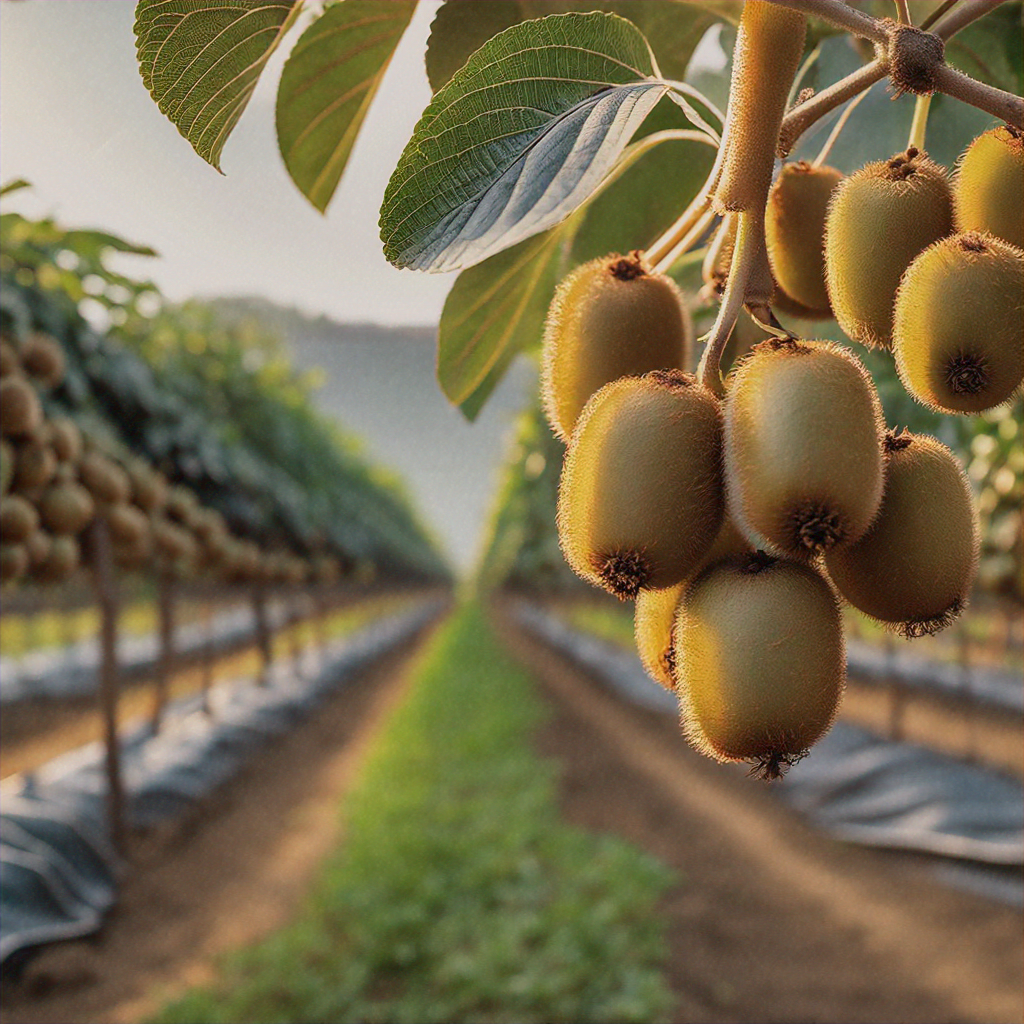
Proper pruning and training techniques are vital for maintaining the productivity and longevity of kiwi vines. Kiwi plants require a trellis or support system to guide the vines’ growth and ensure optimal sun exposure for fruit production.
The central leader system is a commonly used training method, where a single, upright trunk is established, and lateral canes are trained along the trellis. Regular pruning, including winter pruning to remove unproductive wood and summer pruning to manage canopy density, helps to optimize light penetration and air circulation within the plant.
Pest and Disease Management
Kiwi vines are susceptible to various pests and diseases, which can significantly impact fruit yield and quality. Proactive monitoring and timely interventions are crucial to maintaining a healthy, productive kiwi orchard.
Common pests that may affect kiwi cultivation in India include aphids, scale insects, and leaf-feeding caterpillars. Effective integrated pest management (IPM) strategies, such as the use of organic pesticides, beneficial insects, and cultural practices, can help mitigate these threats.
Diseases that may challenge kiwi growers include fungal infections like Botrytis gray mold, Phytophthora root rot, and Pseudomonas bacterial blight. Implementing preventive measures, such as good sanitation practices, proper irrigation management, and the judicious use of fungicides, can help control these diseases.
Harvesting and Post-Harvest Handling
Harvesting kiwi fruit at the optimal maturity stage is essential to ensure high fruit quality and extended shelf life. Kiwi fruit should be picked when the flesh yields slightly to gentle pressure, and the skin transitions from bright green to a slightly softened, golden-brown hue.
Careful handling during harvest and post-harvest storage is crucial to minimize bruising and extend the fruit’s shelf life. Kiwi fruit should be gently removed from the vines, placed in clean, well-ventilated containers, and stored at cool temperatures (0-5°C) with high humidity levels (90-95%).
Maximizing Yields: Tips and Techniques
To maximize the yield and profitability of kiwi cultivation in India, growers can consider the following tips and techniques:
- Implement high-density planting, with up to 1,000 vines per hectare, to increase the overall fruit production per unit area.
- Adopt advanced irrigation methods, such as drip or micro-sprinkler systems, to optimize water use and promote consistent fruit development.
- Utilize specialized pruning techniques, like the Zentmyer system, to enhance light penetration and improve fruit quality.
- Explore the potential of protected cultivation, such as greenhouses or shade nets, to extend the growing season and safeguard against adverse weather conditions.
- Implement effective pollination strategies, including the use of honeybees or other pollinator-friendly practices, to ensure optimal fruit set and development.
- Continuously monitor and adapt cultivation practices based on soil analysis, climatic data, and feedback from successful kiwi growers in the region.
Conclusion
The cultivation of kiwi fruit in India holds immense promise, offering not only economic opportunities for growers but also contributing to the overall well-being of the population through the provision of a nutrient-dense, health-promoting fruit. By following the step-by-step guide and implementing the suggested techniques, kiwi growers in India can unlock the full potential of this versatile crop, driving sustainable agricultural practices and improving food security.
As the demand for kiwi fruit continues to rise, the Indian agricultural sector has a unique opportunity to position itself as a leading producer and exporter of this sought-after fruit. By embracing the principles of intelligent growth and harnessing the power of technological advancements, the future of kiwi cultivation in India looks bright, paving the way for a more prosperous and food-secure tomorrow.