Kiwi Fruit Cultivation in Asia: Intelligent Growth Guide – Varieties, Soil & Harvest
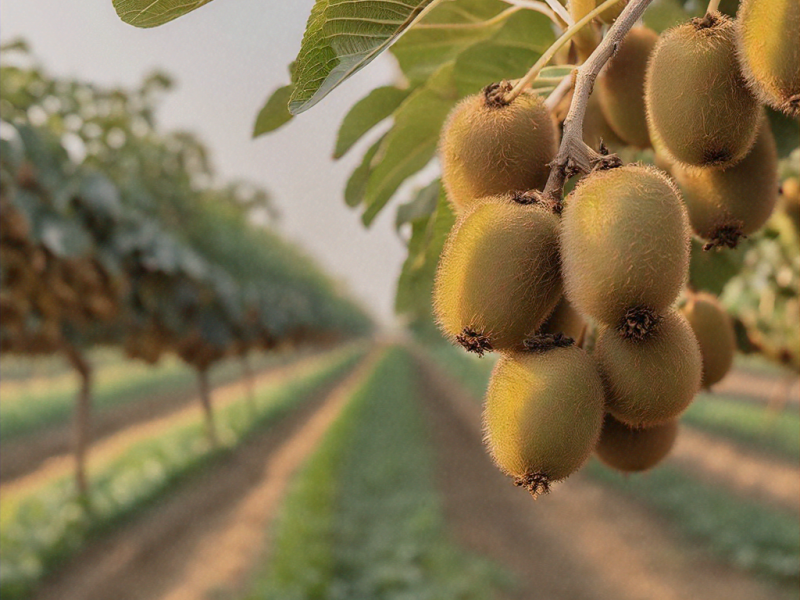
In the vast realm of agricultural wonders, the kiwi fruit stands tall as a shining star, captivating the hearts and palates of people across Asia. This fuzzy, nutrient-packed fruit has become a symbol of vibrant health and culinary delight, with its cultivation playing a crucial role in the region’s agricultural landscape. In this comprehensive guide, we’ll delve into the intricacies of kiwi fruit cultivation, exploring the diverse varieties, optimal soil conditions, and techniques for a bountiful harvest.
Varieties of Kiwi Fruit: Exploring the Spectrum of Flavors
The kiwi fruit family is a diverse one, with a range of cultivars that cater to diverse preferences and growing conditions. Let’s examine some of the prominent varieties found in Asia:
- Hayward Kiwi: This is the most widely recognized variety, known for its oval shape, fuzzy brown exterior, and bright green interior with tiny black seeds. Hayward kiwis are renowned for their balanced sweetness and tangy flavor.
- Golden Kiwi: Also known as the ‘SunGold’ or ‘Zespri Gold’ kiwi, this variety boasts a vibrant yellow flesh with a smooth, edible skin. Golden kiwis offer a sweeter, tropical flavor profile compared to their green counterparts.
- Mini Kiwi: Also called ‘baby kiwis’ or ‘kiwi berries,’ these diminutive fruits pack a powerful punch of flavor. With their small size, smooth skin, and intense sweetness, mini kiwis have gained popularity as a healthy snack and garnish.
- Red Kiwi: This unique variety features a striking deep-red flesh, offering a sweet-tart taste and a visually stunning appearance. Red kiwis are not as widely cultivated as other varieties but are gaining attention for their nutritional value and eye-catching presentation.
Each of these kiwi fruit varieties presents its own distinct flavor profile, texture, and visual appeal, allowing growers and consumers to explore the full spectrum of this remarkable fruit.
Soil Requirements for Kiwi Fruit Cultivation
Achieving a bountiful kiwi fruit harvest begins with understanding the specific soil requirements for optimal growth. Kiwi vines thrive in well-drained, fertile soils rich in organic matter. Let’s delve deeper into the ideal soil conditions:
- Soil pH: Kiwi vines prefer a slightly acidic soil with a pH range of 6.0 to 6.5. This pH range ensures the availability of essential nutrients for the plants to flourish.
- Soil Texture: A loamy soil texture, composed of a balanced mix of sand, silt, and clay, is ideal for kiwi cultivation. This soil type provides the necessary drainage, water-holding capacity, and nutrient retention for the vines to thrive.
- Organic Matter: Kiwi vines benefit greatly from soil rich in organic matter, such as compost or well-rotted manure. This organic matter improves soil structure, enhances water-holding capacity, and provides a steady supply of essential nutrients for the plants.
- Drainage: Kiwi vines are sensitive to waterlogged conditions, which can lead to root rot and other diseases. Ensuring proper drainage, either through natural slope or the installation of drainage systems, is crucial for successful kiwi cultivation.
By carefully selecting and preparing the soil, growers can create the optimal growing environment for their kiwi vines, setting the stage for a bountiful and healthy harvest.
Cultivation Techniques: Nurturing Kiwi Vines for a Successful Harvest
Cultivating kiwi fruit requires a delicate balance of knowledge, patience, and attention to detail. Let’s explore the key cultivation techniques that can lead to a thriving kiwi orchard:
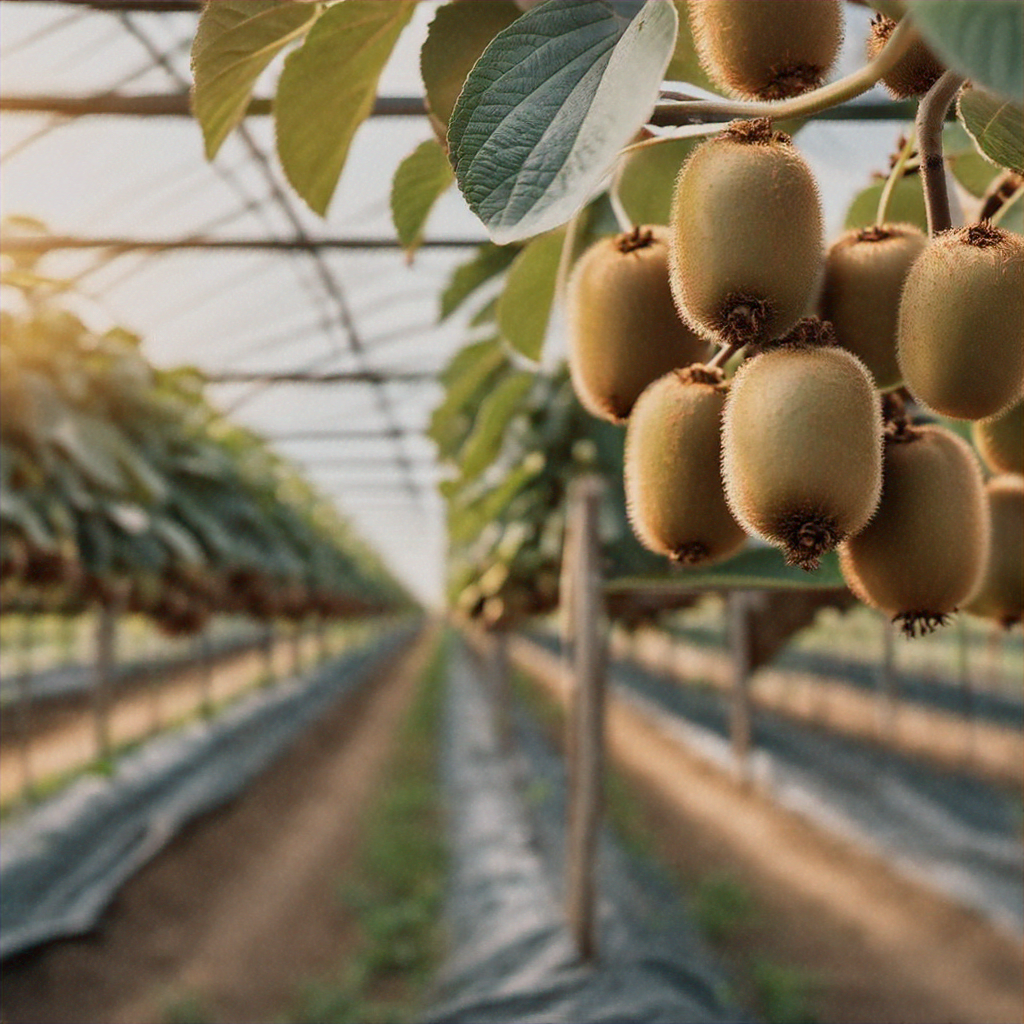
- Trellis System: Kiwi vines are naturally vigorous and require a sturdy trellis system to support their growth. A well-designed trellis, often in the form of a T-bar or pergola, provides the necessary structure for the vines to climb and ensures optimal sunlight exposure for fruit production.
- Pruning: Proper pruning is essential for maintaining the health and productivity of kiwi vines. Regular pruning helps to control the vine’s growth, encourage fruit production, and improve air circulation, reducing the risk of disease.
- Pollination: Kiwi plants are dioecious, meaning they have separate male and female plants. Ensuring proper pollination is crucial for fruit set and development. Growers often introduce beehives or hand-pollinate the female flowers to ensure a successful harvest.
- Irrigation and Water Management: Consistent and appropriate water supply is vital for kiwi vines. Growers must monitor soil moisture levels and implement efficient irrigation systems to meet the plants’ water needs, especially during critical growth stages and fruit development.
- Nutrient Management: Kiwi vines require a balanced supply of essential nutrients, such as nitrogen, phosphorus, and potassium, as well as micronutrients. Growers should conduct soil tests and apply targeted fertilizers to maintain the optimal nutrient levels for healthy vine growth and fruit production.
- Pest and Disease Control: Vigilance in monitoring and managing pests and diseases is crucial for kiwi cultivation. Growers must be proactive in implementing integrated pest management strategies, including the use of organic or sustainable control methods, to protect their vines and ensure a bountiful harvest.
By mastering these cultivation techniques, growers can create an environment that allows kiwi vines to thrive, ensuring a consistent and high-quality kiwi fruit harvest.
Harvesting and Post-Harvest Handling: Ensuring Kiwi Fruit Quality
The final step in successful kiwi fruit cultivation is the harvesting and post-harvest handling process. Proper techniques at this stage are crucial for maintaining the fruit’s freshness, flavor, and nutritional value. Let’s explore the key considerations:
- Harvesting Timing: Determining the optimal harvesting time is essential for ensuring the kiwi fruit’s peak ripeness and flavor. Growers typically monitor factors such as fruit size, color, and firmness to determine the ideal harvest window.
- Harvesting Methods: Kiwi fruits are typically hand-picked to minimize damage and ensure gentle handling. Growers must exercise care during the harvesting process to avoid bruising or tearing the delicate skin.
- Post-Harvest Storage: After harvesting, kiwi fruits must be handled with great care and stored in the appropriate conditions to maintain their quality. Optimal storage involves controlled temperature (0-5°C) and humidity levels to slow down the ripening process and extend the fruit’s shelf life.
- Packaging and Transportation: Kiwi fruits are typically packaged in sturdy, well-ventilated containers to protect them during transportation and distribution. Proper packaging techniques, such as the use of cushioning materials, can help prevent damage and maintain the fruit’s freshness.
- Quality Control: Rigorous quality control measures, such as visual inspections, firmness testing, and brix (sugar content) analysis, help ensure that only the highest-quality kiwi fruits reach the market, meeting consumer expectations and maintaining the fruit’s reputation.
By meticulously managing the harvesting and post-harvest handling processes, growers can deliver kiwi fruits that are bursting with flavor, nutrients, and visual appeal, satisfying the discerning palates of consumers across Asia.
Conclusion: Embracing the Kiwi Fruit Revolution in Asia
The cultivation of kiwi fruit in Asia has evolved into a sophisticated and thriving industry, driven by the growing demand for this nutritious and versatile fruit. By understanding the diverse varieties, optimizing soil conditions, mastering cultivation techniques, and implementing efficient harvesting and post-harvest practices, growers in the region can unlock the full potential of kiwi fruit production.
As the popularity of kiwi fruit continues to soar, the future of this industry in Asia looks bright. By embracing the latest advancements in agricultural technology and sustainable farming practices, growers can ensure a steady supply of high-quality kiwi fruits that not only delight the senses but also contribute to the overall well-being and food security of their communities. The kiwi fruit revolution in Asia is just beginning, and the opportunities for growth and innovation are truly boundless.
👥 Readers added context they thought people might want to know
Agri-X Verified PunjabFarmer_01
✔
PunjabFarmer_01
✔
Current formatting suggests planting in June. However, 2025 IMD data confirms delayed monsoon. Correct action: Wait until July 15th for this specific variety.
Contribute to the truth. Log in to verify.