Global Kiwi Fruit Farming – Intelligent Growth Guide: Ultimate Guide & Expert Advice
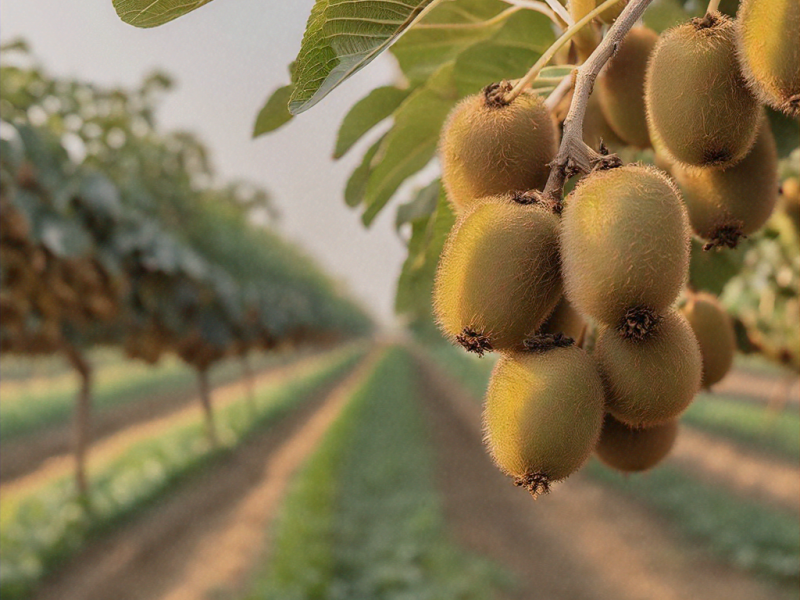
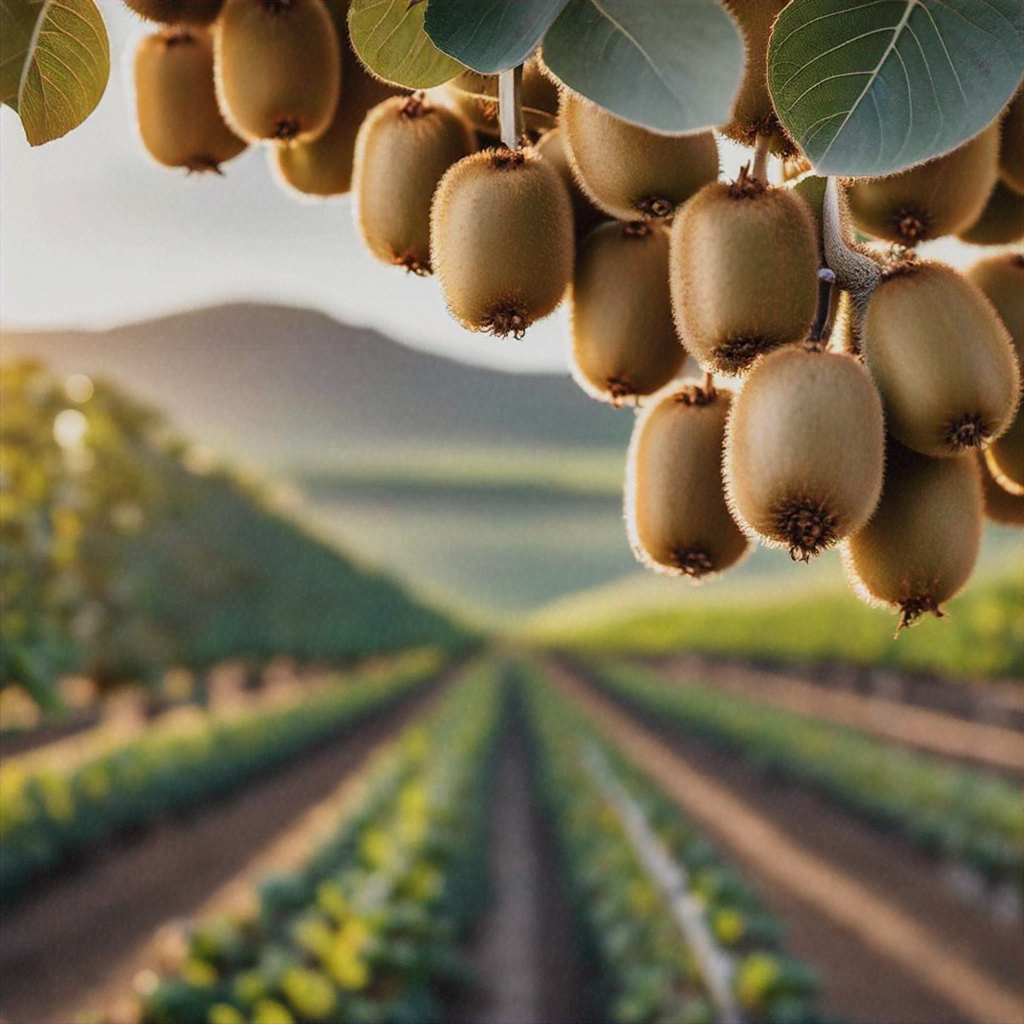
Kiwi fruit, with its vibrant green flesh and distinctive black seeds, has become a beloved staple in households worldwide. Beyond its delightful taste and nutritional benefits, the kiwi fruit industry has become a global phenomenon, with farmers from various regions contributing to its widespread popularity. In this comprehensive guide, we delve into the world of global kiwi fruit farming, exploring the latest trends, best practices, and expert advice to help you cultivate a thriving kiwi fruit operation.
Understanding the Kiwi Fruit Industry: A Global Perspective
The kiwi fruit industry has experienced remarkable growth in recent decades, with production expanding to new regions across the globe. While New Zealand has long been the dominant producer, countries such as Italy, Chile, and China have emerged as major players, each contributing their own unique growing conditions and cultivation techniques.
According to the latest industry reports, the global kiwi fruit market is expected to continue its upward trajectory, driven by increasing consumer demand for healthy, exotic fruits. As consumer preferences shift towards more diverse and nutritious options, the kiwi fruit’s reputation as a superfood has further propelled its popularity worldwide.
Mastering Kiwi Fruit Cultivation: Key Considerations
Successful kiwi fruit farming requires a deep understanding of the plant’s specific needs and the ability to adapt to the unique climatic and soil conditions of each growing region. Here are some key considerations for kiwi fruit cultivation:
- Climate and Geographic Location: Kiwi fruits thrive in temperate climates with warm summers and mild winters. Regions with adequate rainfall, moderate temperatures, and well-drained soils are ideal for kiwi fruit cultivation.
- Soil Requirements: Kiwi fruits prefer well-drained, fertile soils with a pH range of 5.5 to 6.5. Proper soil management, including the addition of organic matter and appropriate nutrient balancing, is crucial for optimal plant growth and fruit production.
- Cultivar Selection: There are several kiwi fruit cultivars, each with its own characteristics in terms of flavor, size, and growing requirements. Selecting the right cultivar for your specific growing conditions is essential for achieving high yields and quality.
- Trellising and Pruning: Kiwi fruit vines require a sturdy trellis system to support their vigorous growth and ensure optimal sunlight exposure. Proper pruning techniques, such as training the vines and managing the canopy, are also critical for maintaining plant health and maximizing fruit production.
- Irrigation and Water Management: Kiwi fruits are particularly sensitive to water availability, requiring consistent irrigation throughout the growing season. Implementing an efficient irrigation system and monitoring soil moisture levels are crucial for ensuring optimal plant growth and fruit quality.
- Pest and Disease Management: Kiwi fruit farmers must be vigilant in monitoring and managing various pests and diseases that can impact plant health and yield. Integrated pest management strategies, including the use of biological controls and sustainable pest-control methods, are essential for maintaining a healthy and productive kiwi fruit orchard.
Innovative Approaches to Kiwi Fruit Farming
As the global kiwi fruit industry continues to evolve, farmers are exploring innovative approaches to enhance productivity, sustainability, and profitability. Here are some of the latest trends and advancements in kiwi fruit cultivation:
- Precision Agriculture: The integration of advanced technologies, such as GPS, drones, and sensors, is allowing kiwi fruit farmers to precisely monitor and manage their orchards. By collecting and analyzing real-time data on soil conditions, plant health, and environmental factors, farmers can make informed decisions to optimize resource use, improve crop yields, and reduce environmental impact.
- Protected Cropping Systems: In regions with unfavorable climatic conditions or limited land availability, the use of protected cropping systems, such as greenhouses and shade houses, has become increasingly popular. These controlled environments allow farmers to extend the growing season, enhance fruit quality, and mitigate the risks associated with extreme weather events.
- Organic and Sustainable Practices: Driven by growing consumer demand for eco-friendly and ethically produced food, many kiwi fruit farmers are adopting organic and sustainable farming practices. This includes the use of organic fertilizers, biological pest control methods, and water conservation techniques to minimize the environmental impact of kiwi fruit production.
- Breeding and Genetic Improvements: Researchers and plant breeders are continuously working to develop new kiwi fruit cultivars with improved traits, such as enhanced disease resistance, higher yields, and better fruit quality. These advancements are helping farmers adapt to changing market demands and environmental challenges.
- Value-Added Processing and Diversification: To diversify their revenue streams and meet evolving consumer preferences, some kiwi fruit farmers are exploring value-added processing opportunities, such as producing kiwi fruit juices, jams, and other value-added products. This diversification strategy helps farmers capture a larger share of the market and reduce their reliance on the fresh fruit market.
Expert Advice for Successful Kiwi Fruit Farming
To help you navigate the complexities of global kiwi fruit farming, we’ve gathered insights and advice from leading industry experts:
- Dr. Maria Garcia, Kiwi Fruit Research Scientist: “Investing in soil health is crucial for kiwi fruit cultivation. Regularly testing your soil and implementing a balanced fertilization program will ensure your plants have access to the nutrients they need to thrive.”
- John Wilkins, Kiwi Fruit Grower and Consultant: “Carefully selecting the right cultivar for your growing region is key to maximizing yield and fruit quality. Work closely with your local extension service or industry experts to determine the best cultivar options for your climate and growing conditions.”
- Sarah Nguyen, Sustainable Agriculture Specialist: “Explore opportunities to integrate sustainable practices into your kiwi fruit operation, such as using organic pest control methods, implementing water-efficient irrigation systems, and implementing agroforestry techniques to enhance biodiversity and ecosystem services.”
- David Hernandez, Precision Agriculture Consultant: “Embrace the power of precision agriculture technologies to optimize your kiwi fruit farming operations. Collect and analyze data on soil, plant health, and environmental factors to make informed decisions that improve resource efficiency and boost productivity.”
- Emily Williamson, Kiwi Fruit Value-Added Specialist: “Consider diversifying your revenue streams by exploring value-added processing opportunities. Develop kiwi fruit-based products, such as juices, jams, and purees, to reach new market segments and increase your profitability.”
Conclusion: Embracing the Future of Kiwi Fruit Farming
The global kiwi fruit industry is poised for continued growth, driven by increasing consumer demand and the ongoing efforts of innovative farmers and researchers. By understanding the key considerations for successful kiwi fruit cultivation, embracing the latest technological advancements, and implementing sustainable practices, you can position your kiwi fruit operation for long-term success in the ever-evolving agricultural landscape.
Remember, the key to thriving in the global kiwi fruit market lies in your ability to adapt, innovate, and stay attuned to the changing needs of your customers and the environment. With the guidance and expert advice provided in this comprehensive guide, you can embark on a journey towards a fruitful and sustainable kiwi fruit farming venture.
👥 Readers added context they thought people might want to know
Agri-X Verified PunjabFarmer_01
✔
PunjabFarmer_01
✔
Current formatting suggests planting in June. However, 2025 IMD data confirms delayed monsoon. Correct action: Wait until July 15th for this specific variety.
Contribute to the truth. Log in to verify.